
When Do Babies Press Buttons on Toys?
Watching your baby grow and develop is an exciting journey filled with countless milestones. One moment, they're just gazing at the colorful toys around them, and in the blink of an eye, they're pressing buttons and giggling at the sounds they make.
Have you ever wondered when your baby will start pressing buttons on toys? Understanding this stage can help you support their development and ensure they’re on track. We'll dive into the fascinating world of your baby's motor skills, exploring the age they typically start interacting with button-pressing toys and why this simple action is so important.
Stick around to discover how you can encourage this playful exploration and what it reveals about your little one's cognitive and physical growth. Your insight into these early interactions can make all the difference in nurturing a curious, engaged, and happy child.
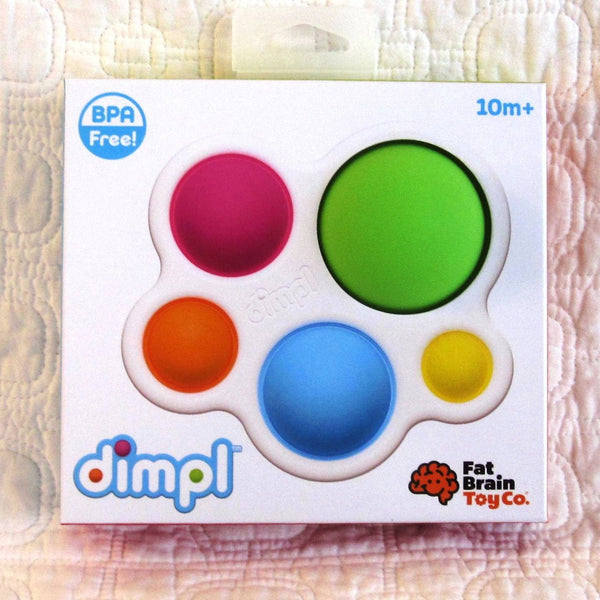
Credit: www.dragonflycastle.com
Developmental Milestones
Understanding the developmental milestones of your baby is both exciting and crucial. One such milestone is when your little one begins pressing buttons on toys. This activity is not just play; it's a window into their growth and learning. Babies press buttons on toys as they reach certain stages in their development, showcasing the growth of their motor skills and cognitive abilities. It’s fascinating to witness these changes and wonder, what does pressing a button teach your baby?
Motor Skills Growth
Pressing buttons on toys is a fun way for babies to develop their motor skills. As they reach around 9 to 12 months, you'll notice their finger movements become more refined. Your baby may start using their index finger to push a button, which is a significant leap in their fine motor skills.
Have you ever watched your baby struggle to press a button, only to finally succeed after multiple tries? This persistence helps build muscle strength and coordination. It's a clear sign that they are mastering the art of movement, one button at a time.
Cognitive Development
When babies press buttons, they’re not just exercising their fingers—they're learning cause and effect. This understanding is a cornerstone of cognitive development. Every time your baby presses a button and hears a sound or sees a light, they're making the connection between their actions and the results.
Picture the joy on your baby’s face when a button on their toy makes a fun noise. That’s their brain at work, processing and learning. Do you notice how they repeat the action over and over? This repetition strengthens their cognitive abilities, encouraging curiosity and exploration.
As a parent, it’s amazing to see your child’s cognitive skills grow through simple play. Would you have guessed that a toy with buttons could be such an educational tool?
Encourage your baby to explore toys with buttons. It's more than just entertainment; it's a vital part of their developmental journey. Each press is a step towards understanding their world and developing essential skills.

Credit: www.amazon.com
Age And Button Pressing
Understanding when babies start pressing buttons on toys can be intriguing. This behavior signals a new stage in their development. Babies show different levels of interest in buttons as they grow. Let's explore how infants and toddlers interact with button-pressing toys.
Infants And Exploration
Infants begin their journey of exploration early. At around 4 to 6 months, they start noticing toys with buttons. Their tiny fingers try to grasp and explore. Buttons on toys attract their curiosity. The sound or light from a button press delights them. It encourages repeated attempts. This stage involves simple exploration without intent. Babies press buttons randomly, enjoying the cause and effect.
Toddlers And Interaction
Toddlers show more purposeful interaction with toys. By 12 to 18 months, they press buttons with intent. They remember the outcomes of pressing buttons. This age marks the development of problem-solving skills. Toddlers begin to understand the sequence of actions. They may press buttons to hear a favorite sound or see a light. This interaction becomes more goal-oriented. They enjoy the repeatability and predictability of their actions.
Types Of Toys With Buttons
Babies love exploring new things. Toys with buttons capture their curiosity. These toys offer sensory experiences. They also help develop fine motor skills. Let's explore different types of toys with buttons.
Musical Toys
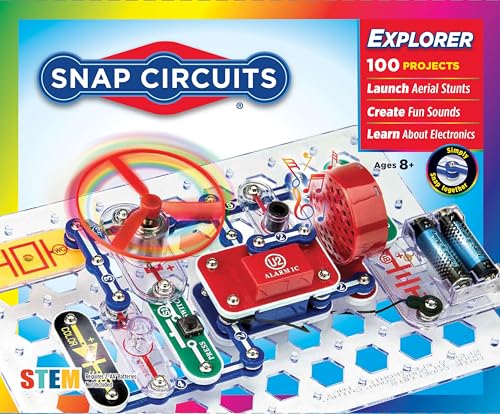
Musical toys with buttons are popular. These toys play tunes when pressed. Babies enjoy the sound of music. They learn cause and effect. These toys often light up. They keep babies engaged. Many have colorful designs.
Educational Toys
Educational toys with buttons teach letters and numbers. They introduce shapes and colors. These toys talk or sing. Babies learn while they play. Parents often choose these for learning. They combine fun and education.
Interactive Playsets
Interactive playsets offer many activities. These toys have buttons that activate features. They might have doors that open. Some have figures that move. Babies explore different actions. These playsets encourage imaginative play. They promote problem-solving skills.
Encouraging Button Pressing
Babies often start pressing buttons on toys around 9 to 12 months old. This activity helps improve their fine motor skills. Bright colors and sounds from toys attract their attention, encouraging exploration and play.
Encouraging your baby to press buttons on toys is more than just a playful activity. It’s a crucial part of their development that boosts motor skills and cognitive abilities. Watching your little one press buttons with delight is a memorable milestone that you can nurture in a few simple ways.
Safe Play Environment
Creating a safe play environment is essential for encouraging button pressing. Ensure toys are age-appropriate and free from small parts that could pose a choking hazard. Inspect the play area regularly to make sure it’s free from sharp edges or unsafe objects. Place toys with buttons within easy reach of your baby. This accessibility encourages exploration and independent play. You might notice your baby pressing buttons more confidently when they feel secure and comfortable in their surroundings.
Guided Playtime
Spending guided playtime with your baby can significantly enhance their interest in pressing buttons. Sit with them and demonstrate how to press buttons, making it a fun and interactive session. Use toys that light up or make sounds to capture their attention and make the experience enjoyable. Encourage your baby to imitate your actions. Clap, cheer, or show excitement when they successfully press a button. Your enthusiasm will motivate them to try again and will strengthen your bond during these precious moments.
Have you tried introducing toys with different textures and sounds? This variety can stimulate your baby’s senses and keep them engaged. Rotate toys regularly to maintain their interest and curiosity. Remember, every baby develops at their own pace. The key is to provide a supportive environment that encourages exploration and discovery. How can you make button pressing a fun learning experience for your baby today?
Benefits Of Button Pressing
Babies often start pressing buttons on toys between 9 to 12 months. This activity boosts their motor skills and curiosity. Pressing buttons helps them understand cause and effect, making playtime both fun and educational.
Pressing buttons on toys is more than just a playful activity for babies. It offers a range of developmental benefits that can support your child's growth. Understanding these benefits can help you choose the right toys and activities for your little one. Let's dive into how button pressing can enhance your baby's coordination and stimulate their curiosity.
Enhancing Coordination
When babies press buttons, they use their fingers and hands, which helps develop fine motor skills. These skills are crucial for tasks like holding a pencil or tying shoelaces later in life. You might notice your child struggling at first, but with practice, their movements become more precise and deliberate. Button pressing can also improve hand-eye coordination. As babies aim and press buttons, they learn to coordinate their vision with their physical actions. This coordination is essential not only for play but also for daily activities like eating and dressing.
Stimulating Curiosity
Button pressing toys can spark your child's curiosity by providing immediate feedback. Lights, sounds, or movements that follow a button press teach cause and effect. This simple action-and-reaction sequence can captivate a child's attention and encourage them to explore further. Have you ever noticed your baby repeatedly pressing the same button?
This behavior shows their eagerness to understand their environment. Each press is a mini-experiment, satisfying their innate curiosity and encouraging them to learn through discovery. How do you see your baby responding to button toys? Observing their reactions can offer insights into their learning preferences and interests. As you engage with your child during play, you're not just bonding—you're supporting their development in meaningful ways.

Credit: www.kheliyatoys.com
Choosing The Right Toys
Babies start pressing buttons on toys around 9 to 12 months old. Exploring toys with buttons helps develop their hand-eye coordination and curiosity. Provide toys with simple buttons to encourage their growing interest and skills.
Choosing the right toys for your baby can feel overwhelming. With so many options available, how do you know which ones will engage and benefit your little one? As you navigate this exciting journey, remember that toys are more than just playthings; they're tools for learning and development. Selecting toys that encourage your baby to press buttons can spark curiosity and promote fine motor skills.
Age-appropriate Selection
Babies grow quickly, and their toy preferences evolve with each developmental stage. During the first six months, they might enjoy simple toys like soft rattles or textured balls. These stimulate senses without requiring complex interactions. As they approach their first year, toys with buttons become intriguing.
Consider toys that offer a gentle introduction to cause and effect. Look for those designed for your baby's age group. A toy phone with colorful buttons can fascinate a curious toddler, encouraging them to explore and learn. Have you noticed how a baby’s eyes light up with delight when they discover a new sound or light from pressing a button?
Safety Considerations
Safety is paramount when choosing toys for your baby. Ensure toys are free from small parts that could become choking hazards. Check for sturdy construction and non-toxic materials. Babies are notorious for exploring with their mouths, so toys should withstand slobbery kisses and vigorous shakes. Are the buttons easy to press but not too small?
Toys should be accessible to little fingers without risk of injury. It's crucial to inspect toys regularly for wear and tear. If buttons or parts seem loose, it's time for a replacement. Remember, your baby’s safety is non-negotiable. Choosing toys thoughtfully can transform playtime into a rich learning experience. As your baby presses buttons and explores new sensations, they're not just playing—they're discovering the world around them. How will you enrich your baby's playtime today?
Frequently Asked Questions
When Do Babies Start Pressing Buttons On Toys?
Babies typically begin pressing buttons on toys around 9 to 12 months. This developmental milestone occurs as their motor skills improve. They become curious about cause-and-effect relationships. This is a great time to introduce toys with buttons to encourage exploration and learning.
Why Is Button Pressing Important For Babies?
Button pressing helps develop fine motor skills and hand-eye coordination. It also teaches cause-and-effect relationships. This activity enhances cognitive development and can stimulate sensory experiences. Engaging with toys that have buttons is a fun way for babies to learn and grow.
What Types Of Toys Encourage Button Pressing?
Toys with lights, sounds, and music often encourage button pressing. Examples include activity centers, musical instruments, and interactive books. These toys attract babies' attention and encourage them to explore. They help in developing fine motor skills and cognitive abilities.
How To Choose Toys With Buttons For Babies?
Choose toys that are age-appropriate and safe for your baby. Look for toys with large, easy-to-press buttons. Ensure they are made of non-toxic materials and have no small parts. Toys should offer engaging features like lights or sounds to capture your baby's interest.
Conclusion
Babies start pressing toy buttons around six to twelve months. This action helps them learn cause and effect. It also boosts their fine motor skills. Parents can encourage this by offering toys with easy buttons. Bright colors and simple designs attract babies.
Choose toys that make sounds or light up. These features keep babies interested longer. Playtime becomes fun and educational. Watching your baby explore toys is exciting. Support their curiosity and growth. Celebrate each new skill they learn. Enjoy these precious moments together.