

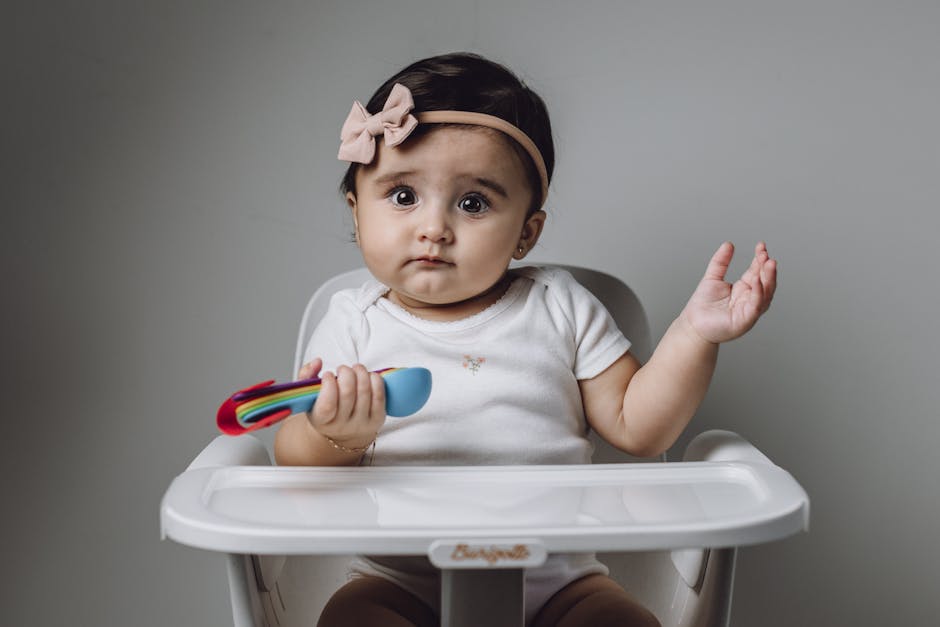

Have you ever walked down the baby aisle and wondered why every toy seems to burst with vibrant colors? It's not just a coincidence or a design trend.
There's a fascinating science behind why baby toys are so colorful, and it directly impacts your child's development. Those bright hues aren't just there to catch your baby's eye; they play a crucial role in stimulating their senses and aiding cognitive growth.
Curious to know how colors can transform your baby's playtime into a powerful learning experience? Keep reading to discover the hidden magic behind those playful shades and how they can make a difference in your little one's world.
The Role Of Color In Infant Development
Baby toys burst with color to stimulate infants' senses. Bright hues captivate attention, aiding visual development. Colors enhance cognitive skills by encouraging exploration and learning.
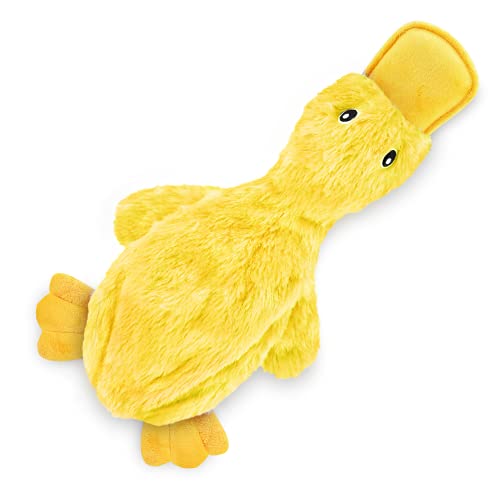
The Role of Color in Infant Development Have you ever noticed how baby toys are always bursting with vibrant colors? It's not just for aesthetics. Colors play a crucial role in the development of infants. They stimulate curiosity, enhance visual perception, and even contribute to cognitive growth. Bright colors captivate a baby's attention and encourage exploration. This engagement is vital for brain development. When babies reach out for that bright red ball or the vivid yellow duck, they're not just playing; they're learning.
The Science Behind Color Perception In Babies
Babies are born with limited vision. Initially, they can only see in black and white. As they grow, they gradually start to perceive colors, starting with red. This is why many toys for newborns are designed with contrasting colors. Research shows that color recognition begins around the age of four months. Bright and bold colors make it easier for infants to distinguish objects. This visual stimulation is essential for developing focus and attention.
Color And Cognitive Development
Colors do more than just engage sight. They also aid cognitive development. When babies interact with colorful toys, they learn to differentiate between shapes and patterns. This is the foundation for problem-solving skills. Think about a simple shape sorter toy. The bright colors help babies recognize differences between shapes. This recognition is the first step towards spatial awareness and logical reasoning.
Emotional Connection To Colors
Colors can also evoke emotions. A sunny yellow might bring joy, while a calming blue can soothe. When babies associate colors with feelings, they begin to understand and express emotions. Consider a personal experience: Watching my niece giggle at a bright pink teddy bear. It wasn't just the toy she loved, but the color that made her smile. This emotional connection helps in developing social and emotional skills.
Encouraging Color Exploration
As a parent or caregiver, you can foster this development. Offer a variety of colorful toys and observe which ones attract your baby's attention. Rotate toys to keep things fresh and exciting. Create a colorful play environment. Use rugs, wall decals, and books with bright illustrations. These simple additions can enhance your baby's learning experience.
Choosing The Right Colors
Not all colors have the same impact. Soft pastels might be pleasing to adults, but bold primary colors are more beneficial for infants. Opt for toys with contrasting colors to maximize visual stimulation. Be mindful of overstimulation. Too many bright colors at once can be overwhelming. Balance is key to maintaining a calm and conducive learning environment.
Final Thoughts
Next time you see a shelf full of colorful baby toys, remember they're more than just pretty playthings. They're tools for growth and learning. How will you use color to enhance your baby's development journey?
Visual Stimulation In Early Childhood
Babies explore the world through their senses. Among these, sight plays a key role. Colorful toys attract their attention and engage them. They help in developing vision and cognitive skills. Bright toys captivate young minds, sparking curiosity. This is why baby toys often come in vivid hues.
Understanding Baby Vision Development
Newborns see the world in black and white. As they grow, their vision improves. Colorful toys help them distinguish colors. They support the development of vision and perception. Colors like red and yellow are first noticed. Over time, babies start recognizing all colors.
The Role Of Colors In Learning
Colors play a vital role in learning. Bright toys stimulate brain activity. They encourage exploration and discovery. Babies learn to associate colors with objects. This helps in developing memory and recognition skills. Toys with different colors make learning fun.
Enhancing Cognitive Skills
Colorful toys boost cognitive development. They enhance problem-solving skills. Babies learn to match colors and shapes. This supports logical thinking and reasoning. Toys with vibrant colors improve focus and attention span. They make learning engaging and interactive.
Promoting Emotional Growth
Colors influence emotions. Bright toys can lift a baby's mood. They provide comfort and security. Babies often feel happy when surrounded by colors. Colorful toys can soothe and calm them. They help in emotional development and expression.
Cognitive Benefits Of Colorful Toys
Colorful toys captivate children's attention. They are more than just eye-catching. These toys stimulate cognitive growth in young minds. Bright hues engage a child's senses. They foster curiosity and learning. Explore the cognitive benefits of colorful toys.
Understanding Color Perception
Babies begin recognizing colors early. Colors provide visual stimulation. This aids brain development. They learn to differentiate between shades. This process enhances visual skills. Colors play a vital role in perception.
Enhancing Memory Skills
Colorful toys improve memory. Bright colors are easier to recall. Children remember vibrant objects better. This strengthens their memory retention. Toys like blocks or balls are perfect. They leave lasting impressions.
Boosting Problem-solving Abilities
Toys with varied colors promote problem-solving. Children learn to sort items by color. This activity develops critical thinking. They understand patterns and sequences. It improves logical reasoning abilities. Colors make learning engaging.
Encouraging Creative Expression
Colorful toys inspire creativity. Children mix and match colors. They create unique combinations. This encourages imaginative play. Creativity flourishes in diverse settings. Toys become a canvas for ideas.
Supporting Emotional Development
Colors influence emotions. Bright hues can uplift moods. Calming shades soothe a child. Toys help express feelings. Emotional growth is vital in early years. Colorful toys support this journey.
Enhancing Sensory Perception
Bright colors in baby toys stimulate sensory development. They help babies recognize differences and improve visual skills. Engaging colors capture attention, encouraging exploration and learning.
When you peek into a nursery, one of the first things you'll notice is the vibrant array of colors in baby toys. This isn't just about aesthetics. Colorful toys play a critical role in enhancing sensory perception in babies. They help in developing visual skills, stimulating brain development, and even influencing emotional responses.
Understanding Sensory Development
Babies are born with a limited vision range, seeing mostly in shades of black and white. As they grow, their ability to perceive color gradually improves. Colorful toys are a simple yet effective tool to encourage this development. When you dangle a bright red rattle in front of your baby, you're helping them make connections between sight and touch.
Visual Stimulation: A Key Component
Colors have the power to attract and hold a baby's attention. A mix of bold and contrasting colors is especially captivating. Think about a toy with alternating red and blue stripes. It captures attention and invites curiosity, encouraging your baby to focus and track movement. This process strengthens eye muscles and enhances depth perception.
Brain Development: Building Connections
A colorful environment is like a gym for your baby's brain. Different colors stimulate different areas of the brain, fostering cognitive development. When a baby grasps a green plush frog, they aren't just playing. They're learning to differentiate between objects and colors, which aids in memory and recognition skills. This playful interaction lays the groundwork for future learning.
Emotional Responses And Mood
Colorful toys do more than just stimulate the senses. They can also influence mood and emotional responses. Bright colors like yellow and orange can evoke happiness and excitement. Meanwhile, softer colors such as blue and green may have a calming effect. When choosing toys, consider how the colors might affect your baby's emotions and energy levels.
Practical Tips For Parents
Wondering how you can use colorful toys effectively? Start by offering a variety of toys with different colors and textures. Rotate them regularly to maintain interest. Pay attention to which colors your baby seems drawn to and consider using those colors in other aspects of their environment, like bedding or wall decor. Have you ever noticed your baby reaching for a particular colored toy more than others? This preference might give you insights into their developing likes and dislikes. Use these observations to create a stimulating, joyful space that supports their growth. Incorporating colorful toys into your baby's playtime isn't just about fun; it's a vital part of their early development. So next time you choose a toy, think about the colors and how they can enhance your child's sensory experience.
Color Preferences In Babies
Have you ever wondered why baby toys are so colorful? It's not just a marketing trick. Babies have unique color preferences that shape how they interact with the world around them. Understanding these preferences can help you make better choices when it comes to purchasing toys for your little one.
Babies are naturally attracted to bright and vibrant colors. They see the world differently than adults do. Their eyes are still developing, and bold colors are easier for them to distinguish. This is why primary colors like red, blue, and yellow are often used in baby toys.
Think back to when you first introduced a toy to your baby. Did they reach for the dull-colored ones, or did they go straight for the bright red rattle? It's likely they chose the latter. Babies respond more positively to stimulating colors, which can enhance their mood and playtime experience.
Why Bright Colors Matter
Bright colors not only capture a baby's attention but also promote learning. They help in developing visual perception skills. As your baby plays with colorful toys, they start to associate colors with different objects and experiences.
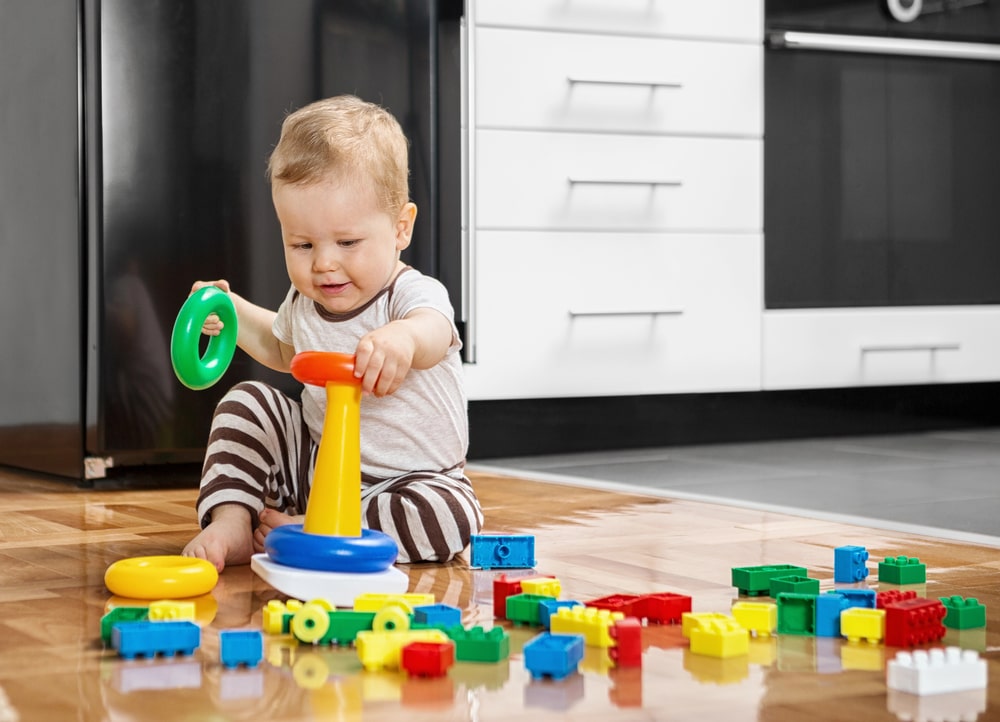
Imagine watching your baby play with a colorful stack of rings. They learn not just to stack but also to recognize and differentiate colors. This simple activity can aid in their cognitive development. It’s fascinating how something as simple as color can impact growth.
Practical Tips For Choosing Toys
When selecting toys, focus on variety. Mix and match colors to keep things interesting. Consider toys that offer contrasting patterns. These can be particularly engaging for your baby.
- Choose toys with bold, contrasting colors.
- Opt for toys that include patterns or textures.
- Rotate toys regularly to maintain interest.
Have you ever noticed that your baby loses interest in certain toys? Switching up their collection can rekindle their curiosity. Always observe which colors your baby prefers. This can guide you in picking toys that they’ll love.
Interaction And Engagement
Toys are not just for entertainment; they are tools for interaction. Engage with your baby during playtime. Point out colors and describe them. This simple act can boost their vocabulary and understanding.
Ask yourself: How can I make playtime more enriching? Use toys as a way to interact more deeply. Describe colors, shapes, and textures during play. You’ll be amazed at how much your baby absorbs through this simple interaction.
In the end, choosing colorful toys isn't just about aesthetics; it's about nurturing your baby's development. Pay attention to their preferences and watch them grow through vibrant play experiences.
Psychological Impact Of Bright Colors
Bright colors in baby toys do more than catch the eye. They play a crucial role in mental development. Colors influence emotions and behavior from an early age. Babies are naturally drawn to vivid hues, stimulating curiosity and attention.
These colors can help boost mood and energy levels. They create a lively environment that encourages exploration. Understanding these effects can enhance your baby's playtime experience.
How Colors Affect Mood
Colors like red and yellow often evoke excitement. They can make a baby feel energized and happy. Blue and green might bring calmness, reducing fussiness. The mood impact of colors is significant in shaping emotional responses.
Enhancing Focus And Attention
Bright colors grab attention quickly. Babies focus on vibrant toys longer than dull ones. This attention span helps them learn and explore. Toys with contrasting colors can also boost concentration.
Stimulating Cognitive Development
Colorful toys support brain growth in babies. They encourage pattern recognition and memory skills. Bright colors can aid in distinguishing different objects. Cognitive skills improve as babies interact with vivid toys.
Encouraging Emotional Expression
Different colors can evoke various emotions in babies. Colors give them a way to express feelings. By playing with colorful toys, babies can develop emotional awareness. This helps in understanding and communicating emotions better.
Promoting Social Interaction
Colorful toys often attract other children. They can encourage social play and cooperation. Sharing and playing with others boosts social skills. Toys with bright colors are great tools for developing friendships.
Color Contrast And Pattern Recognition
Color contrast and pattern recognition play a vital role in baby toys. Bright colors and distinct patterns capture a child's attention. They stimulate visual development. Babies are drawn to high contrast visuals. It helps them recognize shapes and colors. This is why many toys feature bold colors and designs.
Color Contrast
Color contrast is crucial for early visual stimulation. Babies have developing eyesight. High contrast colors make it easier for them to see. Black and white patterns are often used. They provide strong visual signals. Bright colors like red, blue, and yellow are also popular. These colors stand out and attract a baby's gaze.
High contrast toys aid in visual focus. Babies learn to track objects with their eyes. This skill is important for cognitive development. It helps improve attention span and concentration. Toys with color contrast are not just for entertainment. They support growth and learning.
Pattern Recognition
Pattern recognition is another key aspect of baby toys. Toys with patterns help babies identify shapes and figures. Stripes, dots, and geometric shapes are common. They offer visual variety and interest. Patterns encourage exploration and curiosity. Babies start to see differences in shapes and textures.
Recognizing patterns aids in problem-solving. It helps in understanding the world around them. Toys with varied patterns stimulate mental processing. Babies learn to differentiate and categorize objects. This is fundamental for learning and memory development.
Color contrast and pattern recognition are essential in baby toys. They support visual and cognitive development. These elements make toys engaging and educational. Parents can choose toys that enhance these skills. This ensures a stimulating environment for growth.

Credit: www.walmart.com
Color's Role In Emotional Development
Baby toys burst with color to attract attention and stimulate curiosity. Bright hues enhance emotional growth by encouraging exploration and joy. These playful colors help babies connect feelings with visual experiences, fostering early emotional development.
Color's Role in Emotional Development Why are baby toys so incredibly colorful? The answer lies not just in the eye-catching aesthetics but in the profound impact colors have on emotional development. Babies are like little explorers, absorbing the world around them with curiosity. Colors play a crucial role in shaping their emotional responses and helping them understand their environment. Imagine handing a baby a toy in vibrant red. Watch their eyes light up and notice the excited squeal. Red is associated with energy and passion, sparking enthusiasm in your little one. When babies interact with colorful toys, they experience a range of emotions, from joy to curiosity, fostering a healthy emotional development.
How Colors Influence Mood
Colors can set the mood for your baby. Bright yellows often evoke feelings of happiness and cheerfulness, making playtime feel joyous. On the other hand, soft blues can have a calming effect, perfect for soothing a fussy baby. You might notice your baby reaching for certain colors; this preference can give you insight into their mood.
Developing Emotional Intelligence
Did you know that colorful toys help in developing emotional intelligence? As babies encounter different colors, they start to associate them with various feelings. This association is the beginning of understanding complex emotions. A toy that combines multiple colors can be a powerful tool for learning, as it offers a spectrum of emotional cues.
Boosting Confidence
Bold colors can boost a baby's confidence. When they successfully interact with a colorful toy, such as stacking blocks or sorting shapes, it can make them feel accomplished. This success encourages them to explore further, building their self-esteem. Next time your baby reaches for that bright green ring, remember it's not just play—it's building their confidence.
Encouraging Social Interaction
Colorful toys often become shared experiences. Imagine a group of toddlers gathered around a brightly colored play mat. The colors draw them in, encouraging interaction and shared play. This social engagement helps babies learn to express emotions and understand social cues, laying the foundation for healthy relationships. So, next time you choose a toy for your baby, consider the emotional journey each color can offer. Which color do you think will spark joy or soothe your little one today?
Cultural Influences On Toy Color Choices
Colorful baby toys are more than just eye-catching objects. They often reflect the cultural backgrounds and values of the societies that produce them. Understanding these cultural influences can give you a deeper appreciation of the thought and history behind the toys your child plays with.
Understanding Cultural Symbolism
Colors have different meanings in various cultures. In many Western cultures, blue is often associated with boys and pink with girls. However, in China, red is a color of luck and prosperity, which might explain why many toys there feature red prominently.
Think about the toys you had as a child. Did they reflect the cultural norms you were brought up in? This can be an interesting journey into how culture shapes our perceptions from a young age.
Marketing Influences
Toy manufacturers tailor their products to fit cultural preferences. They often conduct research on local customs and color meanings to appeal to specific markets. A toy that sells well in one country might be redesigned for another to better fit cultural expectations.
Consider if you're choosing toys based on your cultural background or marketing influence. Are your choices aligned with what you value, or are they shaped by what you think is expected?
Globalization And Fusion
With globalization, toys now often blend colors and designs from multiple cultures. You might find a toy in a Japanese style with Western color schemes. This fusion offers your child a more diverse play experience, introducing them to a world of cultural possibilities.
Have you noticed this mix of cultures in toys you buy? It's a great opportunity to discuss different cultures with your child and broaden their horizons.
Color Psychology In Different Cultures
Different cultures interpret colors psychologically in unique ways. In India, bright colors like orange and yellow symbolize purity and spirituality. This can lead to toys that are not only colorful but also carry deeper meanings for the people who buy them.
Are the toys you pick for your child just about aesthetics, or do they carry a cultural story? Being aware of these stories can make toy selection a more meaningful experience.
Understanding the cultural influences on toy color choices can enrich your parenting journey. It opens up conversations about diversity and helps your child appreciate the beautiful tapestry of human culture, one colorful toy at a time.

Credit: www.amazon.com
Safety Considerations In Toy Design
When designing baby toys, safety is a top priority. Manufacturers consider every detail to ensure children's safety. This includes the choice of materials, colors, and shapes. Each aspect plays a vital role in creating a safe play environment. Parents want assurance that toys are non-toxic and free from sharp edges. Bright colors are not just for fun. They serve a purpose in safety and development.
Materials And Safety Standards
Toy materials need to be non-toxic and durable. Regulatory bodies set strict standards for toy materials. These standards ensure toys are safe for children. Manufacturers must adhere to these guidelines. They ensure toys do not pose choking hazards. Safe materials make toys reliable for babies' use.
Bright Colors For Visibility
Bright colors help in easily spotting toys. This is crucial to avoid accidental falls or trips. Colorful toys stand out against different backgrounds. Their visibility is vital during playtime. Parents can quickly identify all toys in the room. This reduces the risk of leaving them scattered.
Shape And Size Considerations
Toy shapes and sizes matter for safety. Small parts can pose choking hazards. Larger toys with smooth edges prevent injuries. Rounded edges ensure that babies do not hurt themselves. The right size makes toys easy to grasp. Safe design includes thoughtful shaping and sizing.
Non-toxic Paints And Dyes
Babies often put toys in their mouths. Non-toxic paints are essential for toy safety. These paints do not harm babies when ingested. Safe dyes ensure that colors do not fade easily. They maintain the toy's appeal and safety over time. Parents can trust in the safety of these toys.
Durability And Construction
Durable toys withstand rough handling. Babies can be tough on their toys. Well-constructed toys do not break easily. Strong materials prevent pieces from breaking off. This ensures long-term safety and enjoyment. Parents appreciate the durability in toys, offering peace of mind.
Credit: license-2-play.com
Frequently Asked Questions
Why Are Baby Toys So Colorful?
Baby toys are colorful to stimulate visual development and cognitive growth. Bright colors attract a baby's attention, helping them differentiate between various objects. Engaging colors can also foster sensory exploration and enhance a child's learning experience. This visual stimulation is crucial for brain development during early childhood.
How Do Colors Affect Baby Development?
Colors play a crucial role in a baby's visual and cognitive development. Bright colors can improve a baby's focus and attention span. They also encourage curiosity and exploration, which are essential for early learning. Exposure to various colors helps babies learn to distinguish and identify different objects and shapes.
Are Colorful Toys Safe For Babies?
Yes, colorful toys are generally safe for babies if they meet safety standards. It's essential to choose toys made from non-toxic materials and free from small parts. Always check for sharp edges or loose pieces. Ensure that the toys are appropriate for the baby's age and development stage for safe play.
Do Bright Colors Overstimulate Babies?
Bright colors can occasionally overstimulate some babies, leading to fussiness or irritability. It's important to observe your baby's reactions to colors. If they seem overwhelmed, offer toys with softer hues. Balancing colorful toys with calm, neutral environments can help maintain a soothing atmosphere for the baby.
Conclusion
Bright colors in baby toys boost learning and fun. They attract attention. Babies love exploring vibrant toys. This helps brain development. Colors stimulate curiosity and imagination. Parents choose colorful toys wisely. They know the value in learning. Observing babies play is delightful.
Colorful toys aid sensory growth. They ensure active playtime. Engaging and safe toys matter. They support early growth. Simple, colorful toys make a big difference. Encourage exploration and creativity with them. Your baby’s world is a rainbow of possibilities. Choose colorful toys for a happy, healthy child.
Watch them grow and learn joyfully.