
You're busy. You've got a toddler running around, and keeping everything clean is no small feat.
Bath time should be fun, not a breeding ground for germs. But those adorable bath toys can harbor bacteria if not cleaned properly. Imagine your little one playing with toys that sparkle, free from hidden grime. That's exactly what you'll achieve by learning how to clean toddler bath toys effectively.
In this guide, you'll discover easy, quick methods to ensure those toys are as clean as the laughter they bring. Dive into these practical tips and give your child the safest splash zone possible. Let's make bath time safe, clean, and worry-free for both you and your toddler.
Importance Of Cleaning Bath Toys
Keeping toddler bath toys clean is vital for your child's health. Dirty toys can harbor mold and bacteria, posing risks during playtime. Regular cleaning with simple methods ensures a safe bath environment.
Bath time can be a fun adventure for toddlers. But those favorite bath toys can harbor germs. Regular cleaning is crucial for your child's health. Dirty bath toys can cause infections. Mold and bacteria thrive in wet environments. So, keeping bath toys clean ensures safe play.
Why Germs Love Bath Toys
Bath toys often have small holes. Water gets trapped inside. This creates a perfect breeding ground for germs. The warm, moist environment inside toys is ideal for mold growth. Children place these toys in their mouths. This increases the risk of illness.
Health Risks Of Dirty Bath Toys
Unclean bath toys can lead to skin irritations. They may also cause gastrointestinal issues. Mold exposure is particularly harmful. It can trigger allergies and respiratory problems. Keeping toys clean protects your child's health.
Mold: The Invisible Enemy
Mold can be hard to spot. It often grows inside toys where you can't see. It can quickly spread. Regular cleaning helps prevent this. A simple cleaning routine can remove hidden mold. It ensures toys are safe for your child.
Peace Of Mind For Parents
Cleaning bath toys gives you peace of mind. You know your child is playing with safe toys. A clean toy means fewer germs. It reduces the chance of infections. Keeping bath toys clean is a simple way to protect your family. `

Credit: www.tiktok.com
Common Germs And Hazards
Toddler bath toys are fun but can hide unseen dangers. Germs love moist places and bath toys are wet often. This can lead to hidden germs and mold. Understanding these dangers is key to keeping your child safe.
With knowledge about common germs, parents can protect their children better. It's vital to clean bath toys regularly. This reduces risk of illness and keeps playtime enjoyable. Let’s explore the common germs and hazards in bath toys.
Understanding Common Germs
Bath toys can harbor bacteria like E. coli and Staphylococcus. These germs can cause infections if ingested or touched. Toys in warm water are perfect for bacteria growth. Regular cleaning helps prevent these nasty invaders.
Mold And Mildew Risks
Mold and mildew thrive in damp environments. Bath toys often stay wet, encouraging mold growth. Mold can cause respiratory issues and allergies. It's important to dry toys thoroughly after each bath.
Potential Chemical Hazards
Some toys may contain harmful chemicals. BPA and phthalates are common in plastic toys. These chemicals can leach into water during play. Choose toys labeled as non-toxic to avoid chemical exposure.
Choking Hazards
Small parts on bath toys pose choking risks. Inspect toys regularly for broken pieces. If toys break, discard them immediately. Always supervise toddlers during bath time.
How To Prevent Hazards
Cleaning toys with vinegar and water is effective. Rinse toys thoroughly after cleaning. Store toys in a dry place. Regular cleaning and inspection keep toys safe for toddlers.
Choosing Safe Cleaning Products
Cleaning toddler bath toys requires safe and effective products. These products should be gentle and non-toxic. Harmful chemicals can pose risks to your little ones. Thus, selecting the right cleaning products is crucial for your child's safety. This section will guide you in choosing safe cleaning products.
Use Natural Cleaners
Natural cleaners are safe for cleaning bath toys. They are made from simple ingredients. Vinegar and baking soda are great choices. These products clean without harmful chemicals. They break down dirt and grime effectively.
Avoid Harsh Chemicals
Harsh chemicals are bad for children. They can cause irritation and allergies. Always check product labels. Stay away from bleach and ammonia. These can damage toys and harm your child.
Check For Non-toxic Labels
Non-toxic labels are important. They indicate safer products. These labels ensure no harmful substances. Always read the product labels carefully. Choose those marked as non-toxic and safe.
Consider Fragrance-free Options
Fragrances can be irritating. They might cause allergies in sensitive children. Fragrance-free products are safer choices. They clean effectively without added scents. Opt for these to avoid any reactions.
Research Product Reviews
Product reviews can guide your choices. Look for positive feedback from other parents. Trusted brands often receive better reviews. This helps ensure the product's safety and effectiveness.
Natural Cleaning Solutions
Discover effective ways to clean toddler bath toys using natural solutions. Keep toys safe and free from harmful chemicals with simple ingredients like vinegar and baking soda. These methods are gentle on little ones and the environment.
Cleaning toddler bath toys can be a daunting task, especially when you think about all the grime and germs lurking in those nooks and crannies. But worry not, because natural cleaning solutions are here to save the day. Using simple, everyday ingredients, you can ensure your child's toys are clean and safe without the use of harsh chemicals. Let's explore some of these natural methods that are as effective as they are eco-friendly.
Vinegar And Baking Soda
Vinegar and baking soda make a powerful cleaning duo. Start by filling a bowl or sink with warm water and add one cup of vinegar. Drop the toys in and let them soak for about 15 minutes. After soaking, sprinkle baking soda on a sponge or directly onto the toys. Scrub gently, focusing on any stubborn spots. The baking soda acts as a mild abrasive, perfect for removing grime. Rinse the toys thoroughly with clean water and let them air dry. Have you tried using vinegar and baking soda before? It’s amazing how this simple combination can tackle tough stains and bacteria.
Lemon Juice Method
Lemon juice is a natural disinfectant that can leave bath toys smelling fresh and clean. Squeeze the juice of two lemons into a basin of warm water. Submerge the toys and allow them to soak for about 20 minutes. As the toys soak, the acidity of the lemon juice works to break down bacteria and dirt. Once soaked, use a soft brush or cloth to scrub the toys gently. Rinse them with water and let them dry in the sun. The bonus? They’ll have a lovely citrus scent. Have you ever noticed how a fresh scent can make cleaning feel more rewarding? Cleaning with natural solutions is not only safe for your toddler but also kind to the environment. These methods use ingredients you probably already have at home. Why not give them a try and see how effective they are? Your toddler’s bath time can be a fun and safe experience with naturally clean toys.
Step-by-step Cleaning Process
Cleaning toddler bath toys involves simple steps to ensure hygiene. Start by soaking toys in warm, soapy water. Scrub gently to remove dirt, then rinse thoroughly with clean water. Dry toys completely to prevent mold growth.
Cleaning toddler bath toys can be a daunting task, but with a simple step-by-step process, you can ensure they remain fresh and safe for your little one. Bath time should be fun, not a breeding ground for germs. By following these easy steps, you'll keep those toys sparkling clean and ready for action. Let's dive into the process!
Initial Rinse
Start by giving all the toys a good rinse under warm water. This helps remove any surface dirt or soap residue. Think of it as a mini shower for the toys. Remember that toys with holes can trap water inside, leading to mold. Give them a good shake to get rid of excess water.
Soaking Techniques
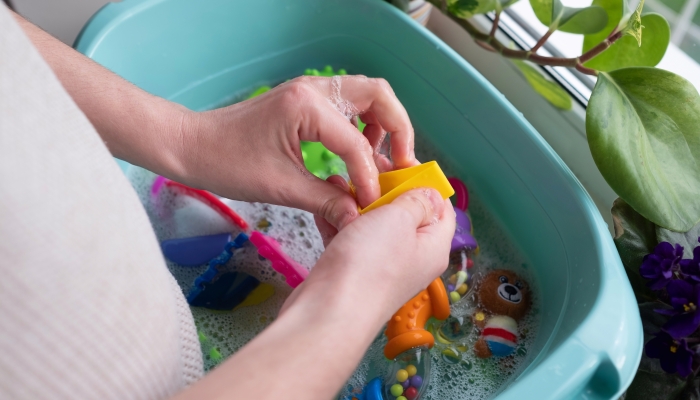
Fill a basin with warm water and add a mild dish soap or baby shampoo. You can also use a vinegar solution by mixing one part vinegar to four parts water for a natural cleaning option. Submerge the toys completely and let them soak for about 30 minutes. This helps loosen any stubborn grime and disinfects at the same time.
Scrubbing And Rinsing
Use a soft brush or an old toothbrush to scrub the toys gently, focusing on grooves and crevices where dirt hides. Pay special attention to toys with moving parts or squeakers. These areas can harbor germs easily. Once scrubbed, give them another thorough rinse under warm water to wash away soap and dirt.
Drying Tips
Proper drying is crucial to prevent mold growth. Place the toys on a clean towel and allow them to air dry completely. Ensure they are spread out and not touching each other to speed up the drying process. If you’re in a hurry, use a hairdryer on a cool setting to dry them faster. But always check the toy's material before applying heat. Have you ever thought about how long wet toys sit in the bathroom? Keeping them dry not only maintains hygiene but extends their life. By following these steps, you ensure your toddler's bath toys stay clean and safe, preserving the joy they bring to bath time.

Credit: www.reddit.com
Preventive Measures
Keeping toddler bath toys clean is crucial. It prevents mold and bacteria buildup. Implementing preventive measures can ensure toys remain safe and hygienic. This involves regular cleaning routines and proper storage techniques. These steps can help maintain a healthy bath environment.
Regular Cleaning Routine
Establishing a cleaning routine is essential. Wash toys weekly to avoid grime. Use mild soap and warm water. Scrub all surfaces thoroughly. Rinse well to remove soap residue. Dry toys completely before storing. This prevents moisture retention. Moisture can lead to mold growth.
Proper Storage
Proper storage helps maintain toy cleanliness. Store toys in a dry place. Avoid leaving toys in the bath. Use a mesh bag to hang them. This allows air circulation. Air circulation helps toys dry faster. Ensure toys are completely dry before storing. This keeps them fresh and safe for use.
When To Replace Bath Toys
Bath time is a fun experience for toddlers. Their toys make it even more enjoyable. Yet, over time, these toys can wear out or become unsafe. Knowing when to replace them is crucial for your child's safety and hygiene. Below are key signs that indicate it's time for new bath toys.
Significant Wear And Tear
Inspect toys regularly for damage. Cracks and breaks can harbor germs. Sharp edges may cause injury. Replace toys showing these signs. Safety is always the priority.
Mold Growth
Mold can easily grow in bath toys. Especially in toys that trap water. Look for black spots or a musty smell. These indicate mold presence. Moldy toys should be discarded immediately.
Difficulty In Cleaning
Toys should be easy to clean. If cleaning becomes too hard, consider replacing them. Residue buildup can affect hygiene. Ensure toys are clean and safe for your child.
Loss Of Interest
Toddlers may outgrow certain toys. If your child loses interest, it might be time for new ones. Toys should engage and entertain. Keep bath time exciting with fresh toys.
Age Of The Toys
Older toys may degrade over time. Check for brittleness or discoloration. These are signs of aging. Replace old toys to maintain safety and hygiene.
Safety Tips For Bath Time
Keep toddler bath toys clean by using a vinegar and water solution. Soak toys for 10 minutes, then scrub gently. Rinse thoroughly and let them dry completely to prevent mold growth.
Bath time is a fun and exciting part of your toddler's daily routine. However, it’s also a time when safety should be your top priority. Amid splashes and giggles, ensuring your child’s bath toys are clean and safe can prevent unwanted accidents and health issues. Here, we’ll dive into some practical safety tips that can make bath time safe and enjoyable for everyone.
Inspect Toys Regularly
Make it a habit to check bath toys for any signs of damage or wear. Cracks and holes can harbor bacteria and mold, which can be harmful to your child. If a toy looks worn out, it's better to replace it than risk your toddler's health.
Choose The Right Size
Select toys that are big enough to prevent choking hazards. Toys should be larger than your child’s mouth. If you have doubts about a toy’s size, test it by trying to fit it through a toilet paper roll; if it fits, it’s too small for bath time.
Ensure Non-toxic Materials
Bath toys should be made from non-toxic, BPA-free materials. Check labels before purchasing. If you’re unsure, consider reaching out to the manufacturer for clarification. Your child's safety is worth the extra effort.
Limit The Number Of Toys
Having fewer toys in the tub can reduce chaos and make supervision easier. Too many toys can be overwhelming for your toddler and distracting for you. A small selection of favorite toys is more manageable and safer.
Maintain Supervision
Never leave your child unattended in the bath, not even for a moment. Accidents can happen quickly, even in shallow water. Keep your focus on your toddler to prevent slips and ensure their safety.
Regular Cleaning Schedule
Develop a cleaning routine for bath toys. You can soak them in a mix of vinegar and water weekly to keep them mold-free. A clean toy is a safe toy, and regular maintenance can protect your child's health. By applying these safety tips, you can transform bath time into a secure and joyful experience for your toddler. What are some of your favorite bath time routines? Share them in the comments below and help other parents create a safer environment for their little ones.
Credit: www.wonderbaby.org
Frequently Asked Questions
How Often Should You Clean Toddler Bath Toys?
It's best to clean toddler bath toys weekly to prevent mold and bacteria. Regular cleaning ensures toys remain safe and hygienic for your child. If toys are used daily, consider cleaning them more frequently to maintain their cleanliness and safety.
What Is The Best Way To Clean Bath Toys?
Soak bath toys in a mixture of warm water and white vinegar for 15 minutes. Scrub gently with a brush to remove dirt. Rinse thoroughly with clean water and allow them to air dry completely to prevent mold growth.
Can Bath Toys Grow Mold Inside?
Yes, bath toys can develop mold inside, especially those with holes. Water trapped inside promotes mold growth. To prevent this, seal holes with glue or choose toys without holes. Regular cleaning and thorough drying help reduce the risk of mold.
Are There Safe Cleaning Products For Bath Toys?
Yes, natural cleaners like vinegar and baking soda are safe for cleaning bath toys. These ingredients effectively remove grime and disinfect without harmful chemicals. Avoid using harsh detergents, which may leave residues that are unsafe for children.
Conclusion
Keeping toddler bath toys clean is easy and important. Regular cleaning prevents mold growth. Use vinegar or soap for effective cleaning. Rinse toys well to remove residue. Dry them completely to avoid moisture issues. Store toys properly after use. This ensures your child plays with safe, clean toys.
A little effort keeps bath time fun and hygienic. Follow these simple steps for peace of mind. Your toddler deserves a healthy play environment. Enjoy bath time without worries. Happy cleaning!