
Are your baby's toys looking a little worse for wear, and you're unsure how to clean them safely without causing damage? You're not alone.
Many parents face the challenge of keeping those precious playthings spotless, especially when they can't simply toss them in the wash. But don't worry—there's a way to ensure your baby's toys are both clean and safe for little hands and mouths.
Imagine the peace of mind you'll have knowing that every toy your baby touches is free from dirt and germs. We'll share practical methods that are as gentle as they are effective, helping you maintain a clean and healthy play environment. Keep reading to discover how to give your baby's toys the care they need, without the hassle!
Safe Cleaning Methods
Keeping baby toys clean is essential for your child's health. Not all toys can be washed easily. Some require special care to ensure they remain safe. Using safe cleaning methods can prevent germs without harming the toys.
Non-toxic Wipes
Non-toxic wipes are great for cleaning delicate toys. They are safe for babies and effective against germs. These wipes don't contain harmful chemicals. Simply wipe the toy's surface gently. This method works well for toys with batteries or electronic parts. Choose wipes labeled as baby-safe for the best results.
Vinegar Solution
Vinegar solution is another safe cleaning option. Mix equal parts of water and white vinegar. Use a clean cloth to apply the solution. This natural cleaner kills bacteria without harmful residue. It’s perfect for toys that can't be submerged in water. Allow the toys to air dry completely after cleaning.

Credit: www.reddit.com
Spot Cleaning Techniques
Gently clean baby toys that can't be washed using a damp cloth with mild soap. Focus on wiping all surfaces thoroughly. Allow toys to air dry completely to ensure safety and hygiene.
Spot cleaning is essential for toys that can't be submerged in water. These techniques help maintain cleanliness and hygiene, especially for toys used by babies. When toys have delicate materials or electronic components, spot cleaning is the safest method. This ensures toys remain safe for your child while looking good as new.
Using A Damp Cloth
Start by wiping the toy with a damp cloth. This removes surface dirt and grime. Use warm water for better results. Avoid soaking the cloth; it should be slightly wet. Gently rub the toy's surface in circular motions. Pay attention to corners and crevices. These areas often trap dirt. After wiping, let the toy air dry completely.
Baking Soda Paste
Baking soda is great for stubborn stains and odors. Mix baking soda with water to form a paste. Apply the paste to the stained areas using a cloth. Let it sit for a few minutes. This allows the soda to break down stains. Wipe off the paste with a damp cloth. Ensure no residue remains. Baking soda also neutralizes odors, keeping toys fresh and clean.
Sanitizing Without Water
Some baby toys cannot handle water. They may warp or get damaged. Parents need alternative ways to keep these toys clean. Thankfully, there are effective methods to sanitize without water. This ensures safety and hygiene for your little one.
Uv Light Sanitizers
UV light sanitizers kill germs with ultraviolet rays. They are easy to use. Place the toy inside the device. The UV light destroys bacteria and viruses. This method is quick and effective. It is also safe for most materials.
Steam Cleaners
Steam cleaners use high heat to sanitize. They do not require direct water contact. The steam penetrates surfaces and kills germs. It's ideal for toys that can't be submerged. Steam cleaning is chemical-free and safe for children.
Handling Delicate Materials
Handling delicate materials can be a bit of a challenge when it comes to cleaning baby toys that can't be washed. You want to ensure these toys remain safe for your child while preserving their quality. Let's dive into some practical methods to clean wooden and plush toys without using water.
Wooden Toys
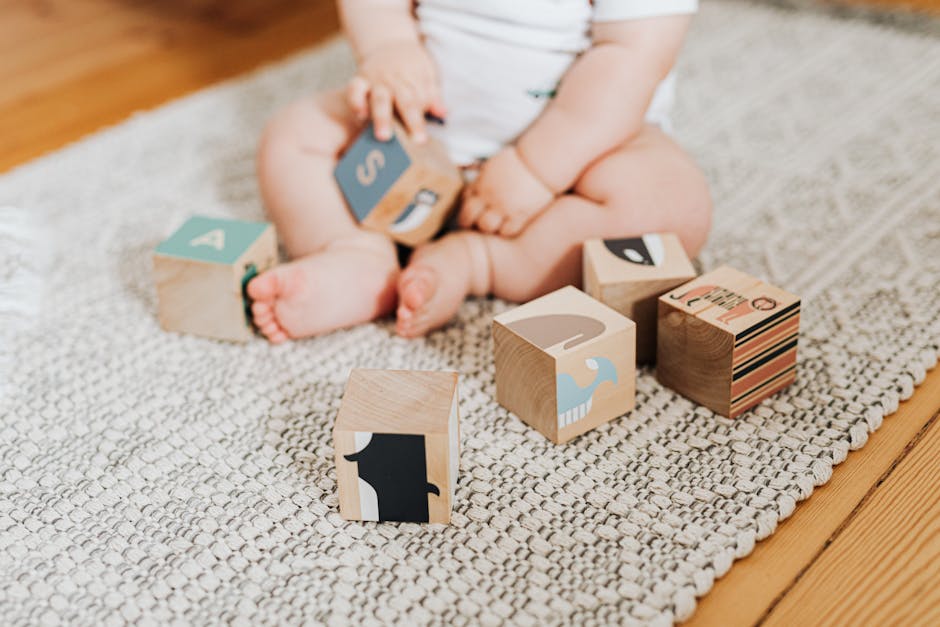
Wooden toys are timeless and durable, but they can't simply be tossed into a washing machine. Instead, you can use a mixture of vinegar and water to gently clean them. Mix equal parts of white vinegar and water in a spray bottle, and lightly mist the solution onto a clean cloth.
Wipe down each toy carefully, ensuring you reach all crevices. Vinegar is a natural disinfectant, so it helps in getting rid of germs without causing harm to the wood. Remember to dry the toys immediately with a soft cloth to prevent any moisture damage.
Have you ever noticed how wooden toys develop a beautiful patina over time? This happens when you care for them properly. Avoid soaking them, as this can cause the wood to swell or crack.
Plush Toys
Plush toys can be tricky because they often have electronic components or delicate fabrics. For these, a light hand is essential. Start by using a lint roller to remove dust, hair, and crumbs from the surface.
Next, sprinkle a bit of baking soda over the toy and let it sit for 15-20 minutes. Baking soda helps in deodorizing and absorbing any oil or dirt. After that, use a vacuum cleaner with an upholstery attachment to suck up the powder and any remaining debris.
Consider this: when was the last time you checked the care label on your child's favorite plush toy? It often provides valuable cleaning advice tailored to that specific toy. Always double-check before trying any new cleaning method.
These methods not only ensure cleanliness but also preserve the integrity of your child's toys. Have you tried any other techniques that work wonders? Feel free to share your experiences in the comments below!
Frequency Of Cleaning
Keeping your baby's toys clean is essential for their health. Toys can't always be washed, but they still need regular cleaning. Understanding the right frequency for cleaning ensures toys remain safe. This guide will help you maintain a clean toy environment.
Daily Maintenance
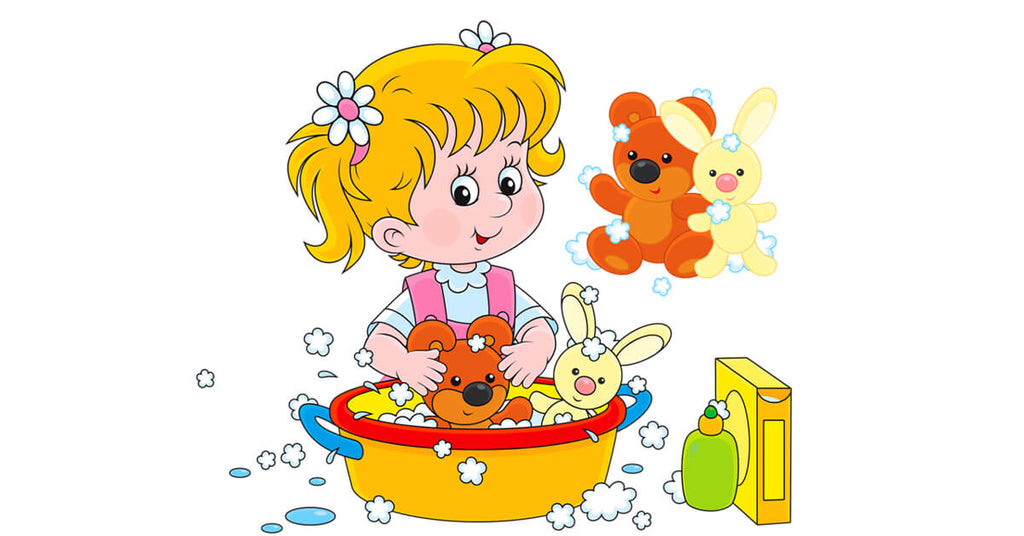
Wipe toys with a damp cloth every day. Use a mild soap solution. Pay attention to toys frequently touched by your baby. This prevents dirt and germs from building up. Air-dry toys after wiping for added safety.
Deep Cleaning Schedule
Schedule a deep clean once a week. Use disinfectant wipes suitable for toys. Focus on toys used during meals or outdoors. Ensure the disinfectant is baby-safe. Rinse with a damp cloth after disinfecting. Let them dry completely before giving them back.
Credit: xwinde.com
Avoiding Common Mistakes
Cleaning baby toys that can't be washed requires careful methods. Use a damp cloth with mild soap to wipe surfaces. Let them air dry completely to prevent mold.
When it comes to cleaning baby toys that can't be washed, it's easy to slip into common mistakes. These missteps can lead to damaging the toys or not fully disinfecting them. Avoiding these errors is crucial to keep your little one safe and their toys in top shape. Let’s dive into some pitfalls you should steer clear of.
Harsh Chemicals
Using harsh chemicals is a common mistake many parents make. While it might be tempting to reach for strong cleaning agents, these can be harmful to your baby. Babies often put toys in their mouths, and residues from strong chemicals can be dangerous. Instead, opt for milder solutions. A mixture of water and white vinegar can work wonders. This combination is effective in cleaning and is safe for your child. Remember, the goal is to clean and disinfect without introducing new hazards. Have you checked the ingredients of your cleaning agents lately?
Excessive Moisture
Excessive moisture is another pitfall that can ruin toys, especially those made of wood or with electronic components. Over-saturating toys can lead to mold growth or damage the toy's functionality. Consider using a damp cloth rather than soaking the toys. This minimizes the risk of water damage while still allowing you to clean thoroughly. After cleaning, ensure the toys are completely dry before handing them back to your child. Why risk mold when a few extra minutes can prevent it? Avoiding these mistakes ensures your baby’s toys remain safe and clean. Are there other toy-cleaning mistakes you might be making without realizing?
Storage Tips
Cleaning baby toys that can't be washed is simple. Use a damp cloth with mild soap to wipe them. Ensure toys dry completely to prevent mold.
When it comes to baby toys that can't be washed, proper storage is crucial to keep them safe and clean. You might wonder how to store them to prevent dust and dirt from accumulating. Here are some practical storage tips to ensure your baby's toys remain in top condition.
Keeping Toys Dust-free
Keeping toys dust-free is a constant battle. You want to protect your baby's toys from dust without compromising safety. Consider using clear, airtight containers. They not only keep dust at bay but also make it easy to see what's inside. Another option is to use fabric bags with drawstrings. These are perfect for soft toys and can be hung up or placed in a closet. Remember, dust is not just unsightly but can also trigger allergies. Think about the environment where the toys are stored. Is it a dusty area? If yes, you might want to reconsider the storage location. A little effort goes a long way in maintaining a clean play space for your little one.
Organizing For Easy Access
Organizing toys for easy access is essential for both you and your baby. You want to ensure that playtime is hassle-free and enjoyable. Labeling bins or shelves can make a significant difference. Use simple labels or pictures for easy identification. Consider arranging toys by type or frequency of use. For example, keep favorite toys within reach and less-used ones higher up or further back. This simple strategy can save you time and keep your baby happy. Use a designated toy basket in each room your baby frequents. This ensures that toys are always within arm’s reach, encouraging independent play. How do you manage your toy chaos? Share your tips in the comments. Keeping your baby's toys organized not only enhances the play experience but also helps in maintaining a cleaner environment. A tidy space is a happy space for both you and your baby.
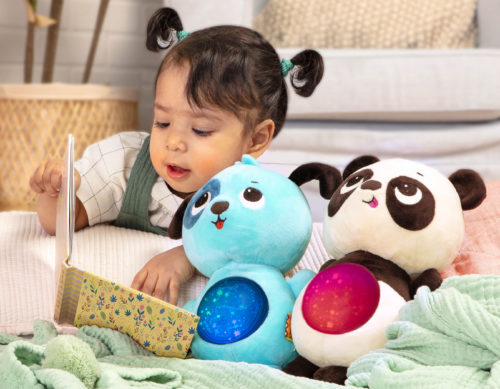
Credit: mybtoys.com
Frequently Asked Questions
How Do I Clean Baby Toys Without Washing?
To clean non-washable baby toys, use a mixture of water and vinegar. Spray this solution onto the toy's surface. Wipe it off with a clean cloth. Vinegar is effective at killing germs and is safe for babies. Ensure the toy is completely dry before use.
Can Disinfectant Wipes Be Used On Baby Toys?
Yes, disinfectant wipes can be used on baby toys. Choose wipes that are safe for children. Ensure the toy is dry before letting your baby play. Wipes are convenient for quick cleaning and sanitizing. Follow the instructions on the packaging for best results.
Is It Safe To Use Baking Soda On Toys?
Baking soda is safe for cleaning baby toys. It helps remove odors and grime effectively. Mix baking soda with water to create a paste. Apply this paste to the toy. Wipe clean with a damp cloth. Baking soda is non-toxic and eco-friendly.
Can Uv Light Sanitize Baby Toys?
Yes, UV light can effectively sanitize baby toys. It kills germs and bacteria without chemicals. Use a UV light wand designed for home use. Follow the manufacturer's instructions carefully. UV sanitization is quick and chemical-free, ensuring toy safety.
Conclusion
Cleaning baby toys can be tricky, but it’s essential for safety. Regular maintenance keeps toys germ-free and ready for play. Use wipes, sprays, and sunlight for effective cleaning. These methods kill bacteria and prevent mold growth. Always check labels for cleaning guidance.
Some toys need special care to avoid damage. Be consistent with your cleaning routine to ensure safe toys. Clean toys mean happy, healthy playtime for your child. Keep it simple and enjoy the peace of mind. Your baby deserves toys that are clean and safe.