
As a parent, you want the best for your little one. Keeping their toys clean is a crucial part of ensuring their safety and health.
But how can you effectively sterilize baby toys without causing damage? The good news is, it's simpler than you might think. Imagine the peace of mind you'll feel knowing that every toy your child picks up is free from harmful germs.
You'll discover straightforward methods that guarantee a hygienic play environment. Whether the toys are plastic, plush, or electronic, we have you covered with easy-to-follow steps. Dive in and learn how to protect your baby's world, ensuring every giggle and playtime moment remains safe and worry-free.

Credit: www.reddit.com
Importance Of Sterilizing Baby Toys
Sterilizing baby toys prevents germs and ensures safety. Clean toys with soap and water. Use a disinfectant for deeper cleaning. Regularly sanitize to keep playtime healthy.
The importance of sterilizing baby toys cannot be overstated. As parents, ensuring your child's safety is a top priority, and keeping their environment clean is an essential part of that responsibility. Baby toys, frequently handled and often put in mouths, can become breeding grounds for germs and bacteria.
Have you ever noticed how often your baby grabs a toy and immediately puts it in their mouth? It's a natural part of their exploration process. However, this innocent act can introduce harmful bacteria into their system. By regularly sterilizing toys, you reduce the risk of infections and keep your baby healthier.
Why Germs On Toys Are A Concern
Children's immune systems are still developing, making them more susceptible to illnesses. Toys can harbor bacteria, viruses, and even mold, especially those with crevices or porous materials. A simple cold virus can linger on a toy for hours, ready to transfer to your child's hands or mouth.
How Sterilizing Toys Contributes To Health
Sterilizing toys is not just about cleanliness—it's about prevention. When toys are free from germs, the likelihood of your child contracting illnesses decreases significantly. This simple routine can help reduce doctor visits and give you peace of mind knowing you're doing your best to protect your child.
Building A Routine For Sterilization
Establish a regular schedule to sterilize your baby's toys. You might choose to do this weekly or more often if your child has been sick. Consistency ensures that germs are kept at bay and becomes a natural part of your caregiving routine.
Using Safe And Effective Sterilization Methods
There are multiple methods to sterilize toys—each with its own benefits. Boiling, using a dishwasher, or utilizing a steam sterilizer are effective for heat-resistant toys. For items that can't withstand high heat, a solution of water and vinegar or child-safe disinfectant wipes work well.
Personal Experience: The Peace Of Mind It Brings
I remember the first time I saw my baby teething on her favorite plush toy, covered in drool. My initial panic turned into a routine where I ensured her toys were always clean. Knowing she was safe allowed me to focus on enjoying her growth and discovery without worry.
Think about it: wouldn't you want to do everything possible to protect your baby's health? Taking the time to sterilize their toys is a small task with a big impact. It’s not just about cleanliness—it's about creating a safe space for your child to play and learn.

Credit: nurturednoggins.com
Common Germs On Baby Toys
Baby toys often harbor germs like bacteria and viruses. Sterilizing these toys is crucial. Use hot, soapy water or disinfectant wipes. Regular cleaning keeps toys safe and germ-free.
Every parent knows the joy of watching their child play with toys. But have you ever thought about what's lurking on those colorful blocks and cuddly stuffed animals? Baby toys are breeding grounds for germs due to constant handling and exposure to various environments. Understanding the common germs found on baby toys can help you maintain a safer play space for your little one.
What Germs Lurk On Baby Toys?
Baby toys often come into contact with multiple surfaces, increasing the risk of germ exposure. Bacteria such as Staphylococcus aureus and E. coli can be found on toys, especially those that are frequently touched or mouthed. These bacteria can cause infections if they find their way into your child's system.
Viruses: Invisible Threats
Viruses are another common concern. Respiratory viruses like RSV and the flu can survive on plastic surfaces for up to 48 hours. A shared toy at a playdate could easily become a vehicle for spreading illness.
The Problem With Mold And Mildew
Have you ever noticed a musty smell coming from your child's bath toys? Mold and mildew thrive in damp environments and can grow inside toys with holes. This can cause allergic reactions or respiratory issues if your child is sensitive.
How Frequent Should You Clean?
Cleaning frequency depends on toy usage and type. For instance, toys that your baby frequently puts in their mouth should be cleaned daily. Others, like electronic toys that aren't handled as much, can be cleaned weekly.
Protecting Your Child's Health
Are you keeping your child's play area as germ-free as possible? By regularly sterilizing toys, you’re not just cleaning; you’re actively protecting your child from potential illnesses. Taking this step is crucial for their health and your peace of mind. In my own experience, I noticed my child catching colds often. After implementing regular toy sterilization, the frequency of illnesses reduced significantly. This simple change had a big impact, proving how important it is to tackle the germs we can't see. What steps are you taking to ensure a healthier play environment? Remember, a little effort in cleaning can go a long way in safeguarding your child’s health.
Safe Cleaning Materials
Keeping baby toys clean is crucial for your child's health. Yet, using harsh chemicals can pose risks. Safe cleaning materials provide a solution. They ensure toys remain germ-free without harming your baby. Below are some effective and safe cleaning options.
Non-toxic Cleaners
Non-toxic cleaners are a safe choice for sterilizing baby toys. These cleaners are free from harmful chemicals. They clean effectively without leaving residues. Look for products labeled as baby-safe or non-toxic. Vinegar-based solutions are a popular choice. They disinfect and clean naturally. Ensure you dilute them properly with water.
Baking soda is another excellent option. It is gentle yet effective in removing grime. Mix it with water to create a paste. Use this paste to scrub toys clean. Rinse thoroughly after cleaning.
Natural Alternatives
Natural alternatives offer a chemical-free cleaning method. Lemon juice is a powerful disinfectant. Its natural acidity kills bacteria. Mix lemon juice with water for a cleaning spray. Spray on toys and wipe with a clean cloth.
Essential oils like tea tree oil have antibacterial properties. Add a few drops to water for a natural cleaner. Ensure the solution is well-diluted. Test a small area first to avoid damage. Avoid using essential oils on toys babies put in their mouths.
Warm, soapy water remains a trusted cleaning method. It's simple and effective for most toys. Use mild dish soap for best results. Rinse toys well to remove soap residue.
Methods For Sterilizing Toys
Keeping baby toys clean is essential for your child's health. Germs and bacteria can easily accumulate on toys. Proper sterilization methods ensure toys are safe. Here are some effective techniques you can use.
Boiling Water Technique
Boiling water is a simple way to sterilize. Place toys in a large pot. Fill with water and ensure toys are submerged. Bring the water to a boil. Let it boil for about five minutes. After boiling, remove toys carefully. Let them cool and dry completely.
Dishwasher Use
Many toys are dishwasher safe. Check labels first. Place toys on the top rack. Use the hot water cycle for best results. Avoid placing toys with batteries or electronics. Let the toys dry thoroughly before use.
Chemical Disinfectants
Chemical disinfectants can kill germs quickly. Use a baby-safe disinfectant. Spray the disinfectant on the toy's surface. Wipe with a clean cloth. Ensure no residue remains. Rinse toys with water if needed. Let them dry completely before returning to your child.
Uv Light Sterilization
UV light can sterilize without water or chemicals. Place toys in a UV sterilizer. Close the lid and turn on the device. Follow the manufacturer's instructions. UV light kills bacteria and viruses effectively. This method is quick and efficient.
Frequency Of Sterilization
Sterilizing baby toys ensures they remain safe from germs. Clean toys regularly with hot, soapy water. Use a disinfectant wipe for extra protection.
Ensuring your baby's toys are clean and safe is a task that can sometimes feel daunting. However, understanding the frequency of sterilization can make this task more manageable. Keeping a regular cleaning schedule not only protects your child from germs but also extends the life of the toys. But how often should you really be sterilizing those toys? Let’s break it down into daily and weekly tasks to make things simpler.
Daily Cleaning
Daily cleaning might seem like an overkill, but think about how often those toys end up in your baby's mouth. It’s crucial to wipe down toys that your baby frequently chews on or plays with outside. A simple wipe with a damp cloth or a quick rinse in warm water can do wonders. You don’t need to spend a lot of time on this. Just make it part of your routine, like after meals or before bedtime. You'll be surprised how this small effort can reduce germs and grime significantly.
Weekly Deep Clean
A weekly deep clean is where you get serious about sterilization. This involves using soap and hot water, or even a dishwasher for dishwasher-safe items. A common method is soaking toys in a solution of water and white vinegar, which is both eco-friendly and effective. Do you remember the last time you did a deep clean on those favorite stuffed animals? They can harbor dust mites and allergens. Consider a gentle machine wash or steam cleaning. Setting a specific day of the week for this deep clean can help you stay consistent. Maybe Sunday could be your toy cleaning day. Regularity here ensures you don’t miss a week and keeps your child’s play environment healthy. By maintaining this cleaning schedule, you're not just taking care of hygiene but also teaching your child the importance of cleanliness. How often do you clean your own belongings? The same care should extend to your child's toys. So, are you ready to make sterilization a part of your routine?
Safety Precautions
Sterilizing baby toys ensures safety and hygiene for little ones. Wipe toys with warm soapy water, then rinse thoroughly. Use a mild disinfectant or vinegar solution for deeper cleaning.
When it comes to keeping your baby's toys clean, safety is key. No parent wants to worry about germs and bacteria lingering on playthings. But it's essential to ensure that your sterilization process doesn't harm the toys or compromise their quality. Here are some safety precautions you should consider to keep both your baby and their toys safe.
Avoiding Damage To Toys
When sterilizing baby toys, it's important to avoid materials that can cause damage. Harsh chemicals or boiling water might be effective at killing germs, but they can ruin delicate toys. For softer toys, consider using a mild, baby-safe detergent with warm water. Plastic toys can often be cleaned in the dishwasher. However, check the manufacturer's instructions first. Some toys might warp or lose their shape. If a toy is battery-operated, remove the batteries before cleaning. Submerging these toys can cause permanent damage.
Ensuring Complete Drying
Once cleaned, toys need to be completely dry before your baby plays with them again. Moisture can lead to mold and mildew, which are harmful to your child. After washing, place toys on a clean towel and let them air dry. For a quicker drying process, use a clean, dry cloth to remove excess water. You can also place toys in a sunny spot to speed up drying. Just remember, direct sunlight can sometimes fade colors. What techniques have you found effective in making sure toys dry thoroughly? Share your insights! By taking these precautions, you can maintain the integrity of your baby's toys while ensuring they remain safe and hygienic.
Special Considerations For Different Materials
When sterilizing baby toys, different materials need special care. Each material has unique cleaning requirements. This guide covers plastic, fabric, plush, and wooden toys. Follow these steps to ensure safe and clean toys for your baby.
Plastic Toys
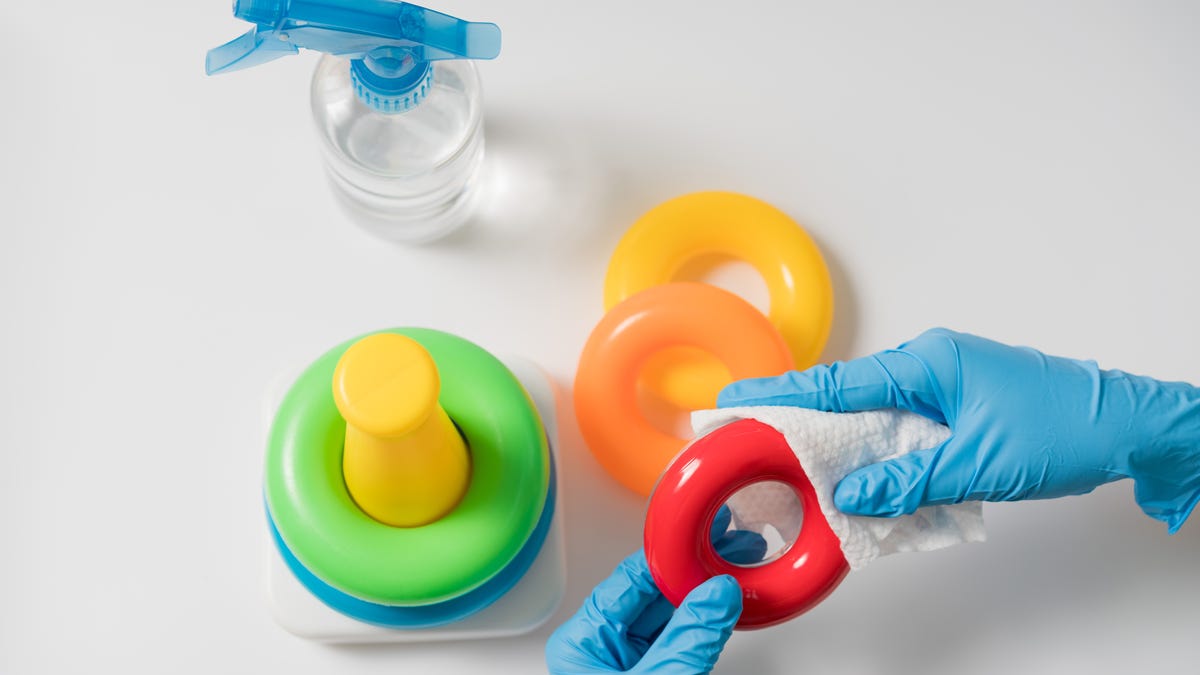
Plastic toys are durable but can harbor germs. Use warm soapy water for cleaning. Scrub gently with a sponge or cloth. Rinse thoroughly to remove soap residue. For deeper cleaning, use a diluted bleach solution. Ensure the solution is safe for children’s items. Let the toys air dry completely before use.
Fabric And Plush Toys
Fabric toys can be tricky to clean. Check for washing instructions on the label. Many fabric toys are machine washable. Use a gentle cycle with mild detergent. Avoid high heat to prevent damage. If machine washing is not possible, hand wash with warm water. Rinse well and air dry. Consider using a garment steamer for sanitizing.
Wooden Toys
Wooden toys need careful handling. Avoid soaking them in water. Use a damp cloth with mild soap for cleaning. Wipe gently to remove dirt. Rinse the cloth and wipe again to remove soap. Dry with a clean towel to prevent moisture damage. Apply a natural oil occasionally to keep the wood conditioned.
Credit: www.cnet.com
Expert Tips For Maintaining Clean Toys
Keeping baby toys clean ensures safety and health. It prevents germs and bacteria. Regular cleaning and proper maintenance are essential. Here are expert tips for maintaining clean toys. They help keep your little one's playtime safe and enjoyable.
Storage Solutions
Proper storage keeps toys clean and organized. Use bins and baskets with lids. They protect toys from dust and dirt. Choose storage solutions that are easy to clean. Plastic bins work well for easy maintenance. Label storage bins for quick access. Group similar toys together. This helps in maintaining order.
Store stuffed animals in breathable bags. This prevents mold and mildew. Keep toys in dry areas. Avoid damp spaces to prevent bacteria growth. Regularly check storage spaces for cleanliness. Clean bins and baskets as needed.
Routine Checks
Conduct routine checks to ensure toys remain safe and clean. Inspect toys for cracks and damages. Broken toys harbor bacteria. Repair or discard damaged toys immediately. Check for loose parts that can be choking hazards. Secure loose parts to prevent accidents.
Wipe down toys weekly with disinfectant wipes. Focus on frequently touched areas. For electronic toys, remove batteries before cleaning. This protects the toy from damage. Wash fabric toys in a washing machine. Use a gentle cycle and mild detergent. Air dry to prevent damage.
Establish a cleaning schedule. Set reminders for regular checks. Consistency keeps toys in top condition. Safe and clean for your child’s playtime.
Frequently Asked Questions
How Often Should You Sterilize Baby Toys?
Sterilize baby toys regularly, ideally once a week. High-touch toys or those dropped frequently should be cleaned more often. Always follow manufacturer guidelines for safe cleaning. Regular sterilization helps maintain hygiene and protects your baby from germs. Use safe and effective methods suitable for the toy's material.
What Methods Can Sterilize Baby Toys?
There are several methods to sterilize baby toys. You can use boiling water, steam sterilizers, or natural disinfectants like vinegar. Dishwasher-safe toys can be cleaned in a dishwasher. Always check toy labels for recommended cleaning methods. Choose methods suitable for the toy's material to prevent damage.
Can I Use Bleach To Clean Baby Toys?
Yes, you can use a mild bleach solution to clean baby toys. Mix one tablespoon of bleach with one gallon of water. Soak the toys for a few minutes, then rinse thoroughly with water. Ensure toys are completely dry before giving them back to your baby.
Always handle bleach with care.
Are Natural Cleaners Safe For Sterilizing Toys?
Yes, natural cleaners like vinegar and baking soda are safe for sterilizing toys. They effectively remove germs without harsh chemicals. Mix equal parts water and vinegar, then wipe down the toys. Rinse well and let them air dry. Natural cleaners are eco-friendly and gentle on baby toys.
Conclusion
Sterilizing baby toys keeps your child safe from germs. Clean toys regularly to ensure a healthy play environment. Different materials need different cleaning methods. Some toys can be washed with soap and water. Others require boiling or disinfecting wipes. Always check the toy label for cleaning instructions.
Dry toys thoroughly before use. Proper cleaning practices give peace of mind. Your baby's health is worth every effort. Keep a routine to maintain cleanliness. A clean toy means a happy, healthy baby.