
Have you ever watched a baby curiously eye a toy, trying to grasp its colors and textures? It's a magical moment, filled with wonder and discovery.
As a parent or caregiver, you might be eagerly anticipating the day your little one starts to engage with toys. Understanding when and how babies start to play is more than just a milestone; it's a crucial part of their development that can shape their future learning and growth.
We'll explore the fascinating journey of when babies begin to play with toys and what this means for their cognitive and motor skills. Dive in, and you'll discover how you can foster this important stage in your baby's life, ensuring they get the most out of their playtime.
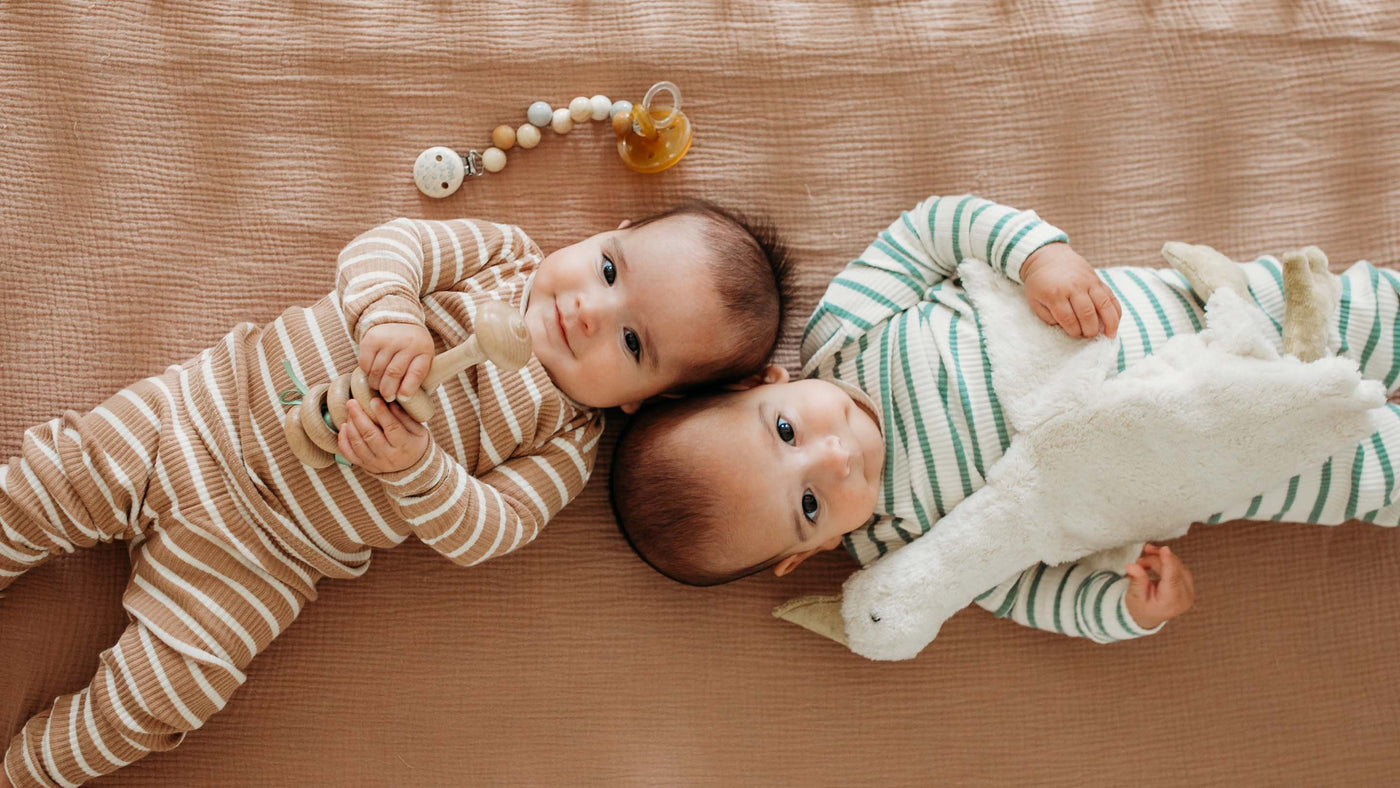
Credit: www.habausa.com
Early Exploration
Early exploration is a critical phase in a baby's development. During this time, babies begin to interact with their environment. They start to understand the world around them. Toys play a crucial role in this journey of discovery. They offer a safe way for babies to explore textures, sounds, and shapes.
Sensory Play Basics
Sensory play is vital for a baby's growth. It helps them learn through touch, taste, and sound. When a baby holds a toy, they feel its texture. They might shake it to hear the sound it makes. This type of play enhances their understanding of different senses. Parents can introduce a variety of toys. Soft, colorful, and noisy toys are excellent choices. Each toy provides a unique sensory experience.
Recognizing Patterns And Colors
Recognizing patterns and colors is an exciting skill for babies. They start to notice vibrant colors first. Bright reds, blues, and yellows catch their attention. Patterns also become intriguing. Stripes, dots, and shapes fascinate them. As babies grow, they begin to distinguish colors. Toys with contrasting colors are beneficial. They help in developing visual skills. Simple puzzles with color blocks can be a fun challenge. These activities boost cognitive development and visual perception.

Credit: www.itzyritzy.com
Motor Skills Development
Understanding when babies learn to play with toys involves exploring their motor skills development. Watching your little one grow is a fascinating experience, especially when they start interacting with objects around them. Motor skills are crucial for these interactions, as they enable babies to grasp, hold, and coordinate their movements. These skills develop gradually, each milestone bringing its own excitement and challenges.
Grasping And Holding
Grasping and holding toys are among the first motor skills babies develop. Around three to four months, they begin to reach out and attempt to hold objects. This stage is all about discovery and practice. You might notice your baby trying to grasp a colorful rattle or a soft stuffed animal, and sometimes, they succeed! It's not just about holding; it's about learning what their little fingers can do.
Encourage this development by offering toys that are easy to grip. Soft, textured toys can be particularly engaging. As your baby practices, you'll see their grip get stronger, which is an exciting milestone. How can you make their playtime even more fun and beneficial?
Hand-eye Coordination
Hand-eye coordination is another essential aspect of motor skills development. As babies grow, they learn to coordinate their visual input with their hand movements. This skill usually starts developing around the age of six months. You might notice your baby successfully reaching for and grabbing a toy they’ve been eyeing for a while.
Simple games like passing a toy back and forth or stacking blocks can enhance hand-eye coordination. It's fascinating to see your baby focus intently on a toy, then reach out and grab it. How can these activities be more interactive and stimulating for your little one?
Every child develops at their own pace, but providing a variety of toys can encourage them to explore and improve their motor skills. Embrace the messiness of playtime; it's all part of the learning journey. What toys have you found to be most engaging for your baby?
Interactive Play
Interactive play is a crucial phase in a baby's development. During this time, babies begin exploring their environment through toys. This exploration aids their growth both mentally and physically. Toys become more than objects; they become tools for learning.
Cause And Effect Understanding
Babies start understanding cause and effect through interactive play. When a toy makes noise, they learn their actions have outcomes. For instance, pressing a button on a toy might produce a sound. This interaction teaches them they can influence the world.
Such understanding boosts their cognitive skills. It lays the foundation for problem-solving in the future. Engaging with toys helps them grasp basic concepts early on. This knowledge grows as they continue to play and explore.
Social Interaction Through Toys
Playing with toys also fosters social interaction. Babies often imitate actions they see. They might mimic talking on a toy phone or feeding a doll. These actions help them learn about social roles and relationships.
Toys encourage sharing and taking turns, essential for social development. Playing with others introduces them to the concept of teamwork. This early interaction helps them in forming bonds and friendships later in life.
Interactive play with toys is more than fun. It's a fundamental part of a child's growth. It shapes their understanding of the world and their place in it.
Imaginative Play
Imaginative play is a significant stage in a child's development. It begins when babies start using their creativity. This type of play allows them to explore and understand the world around them. During this stage, toys become more than objects. They turn into tools for storytelling and role-playing.
Role Play Beginnings
At around 18 months, babies start role-playing. They may pretend to feed a doll or drive a toy car. These actions show the early stages of imaginative play. Role-playing helps them understand daily routines. It also improves their social skills.
Creative Use Of Toys
As children grow, their creativity with toys expands. A simple block becomes a phone or a rocket ship. A toy train can become a snake in their imaginary jungle. This creativity enhances their problem-solving skills. It also encourages independent thinking.
Parents can support this by providing open-ended toys. Toys like blocks, dolls, or cars inspire creativity. They let children make up their own stories. The more they play, the more their imagination grows.
Safety Considerations
Babies start playing with toys around three months, exploring textures and colors. Ensure toys are safe, with no small parts or sharp edges. Regularly check toys for wear and tear to prevent choking hazards.
When babies start to play with toys, their curiosity knows no bounds. However, ensuring their safety is crucial during this exciting stage of development. As parents, you want to provide a nurturing environment where your little one can explore without risks. Safety considerations are not just about avoiding accidents; they're about fostering a space where learning and fun go hand in hand.
Age-appropriate Toys
Choosing the right toys for your baby is more than just picking what's colorful and trendy. Toys should match their developmental stage. A two-month-old may only need simple rattles, while a one-year-old might be ready for stacking blocks. Look for toys labeled with age recommendations. These labels are there for a reason. They guide you in selecting items that are safe and beneficial for your child's growth. Remember, a toy that is too advanced can frustrate a baby or pose choking hazards. Would you hand a tiny puzzle piece to a toddler? Probably not.
Supervised Playtime
Even the safest toys can pose risks if not monitored properly. Supervision during playtime is essential. It allows you to intervene if your baby is about to put something unsafe in their mouth or gets too adventurous. Picture this: you’re watching your baby explore a toy with wide-eyed wonder. You're there to celebrate their milestones and protect them. Make playtime a bonding experience. Your presence reassures your baby and enhances their enjoyment. Do you remember the joy of discovering something new with your child? As you guide your baby's playtime, think about how you can balance safety with exploration. What small steps can you take today to make playtime both fun and secure?

Credit: www.itzyritzy.com
Frequently Asked Questions
When Do Babies Start Playing With Toys?
Babies typically start engaging with toys around 3 to 4 months of age. At this stage, they begin to grasp objects and explore them with their hands and mouth. Toys that are easy to hold and make sounds are ideal for stimulating their senses and encouraging play.
What Toys Are Best For Newborns?
Newborns benefit from toys that stimulate their senses, such as soft, colorful, and textured items. Rattles, soft plush toys, and mobiles are excellent choices. These toys help in developing their visual and auditory senses, keeping them engaged and entertained.
How Does Toy Play Aid Baby Development?
Playing with toys aids in the development of motor and cognitive skills. Grasping and manipulating toys improves hand-eye coordination. Bright colors and different textures stimulate sensory development. Interactive toys also encourage problem-solving and language skills as babies explore cause and effect.
Are There Safety Tips For Baby Toys?
Ensure toys are age-appropriate and free from small parts that could pose choking hazards. Check for sharp edges or toxic materials. Regularly inspect toys for wear and tear, and clean them frequently to maintain hygiene and safety for your baby.
Conclusion
Babies' toy play is a vital growth step. It boosts brain development. Toys help improve their motor skills. They spark curiosity and creativity. Parents should choose age-appropriate toys. Supervision is key for safety. Encourage play by joining in. It strengthens your bond with your baby.
Watch their interests to choose toys they love. Simple toys often work best. Blocks, rattles, and soft toys are great starters. Keep the play area safe and clean. Celebrate small milestones in play. Remember, every baby is unique. They learn and grow at their own pace.
Enjoy these early playful moments together.