

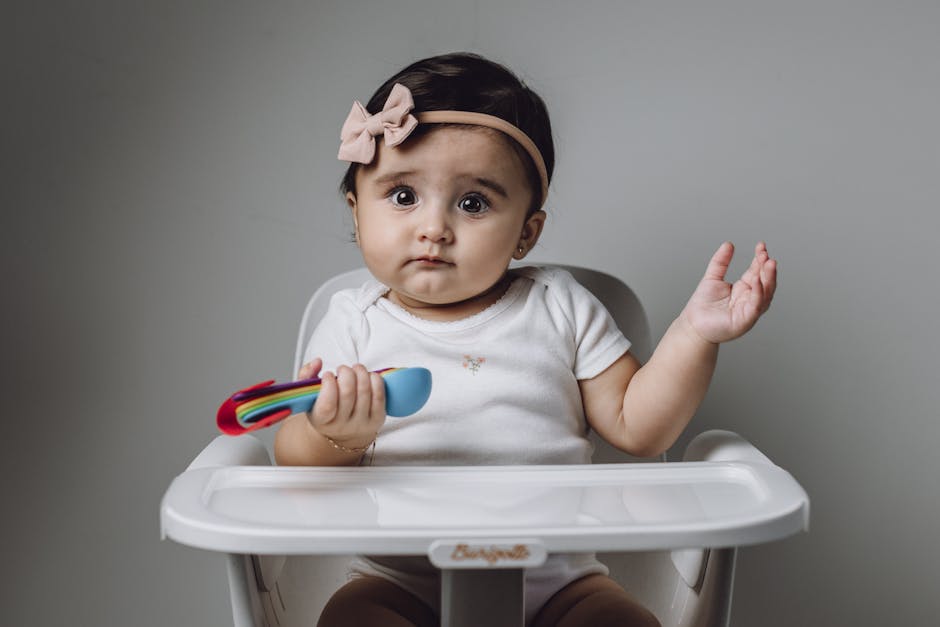

As a parent, ensuring your baby sleeps soundly is one of your top priorities. You've probably heard about comfort toys and their magical ability to soothe little ones to sleep.
But when is the right time to introduce one to your baby? You're not alone in wondering about this. Many parents ask themselves the same question, eager to find that perfect balance between safety and comfort. Imagine tucking your baby in and seeing them gently hug a plush toy, drifting off into a peaceful slumber.
It sounds ideal, doesn't it? Before you make this comforting scene a reality, you need to know the best time and way to introduce a comfort toy to your baby's bedtime routine. Keep reading to discover the key insights that will guide you to make the best decision for your little one's sleep safety and comfort.
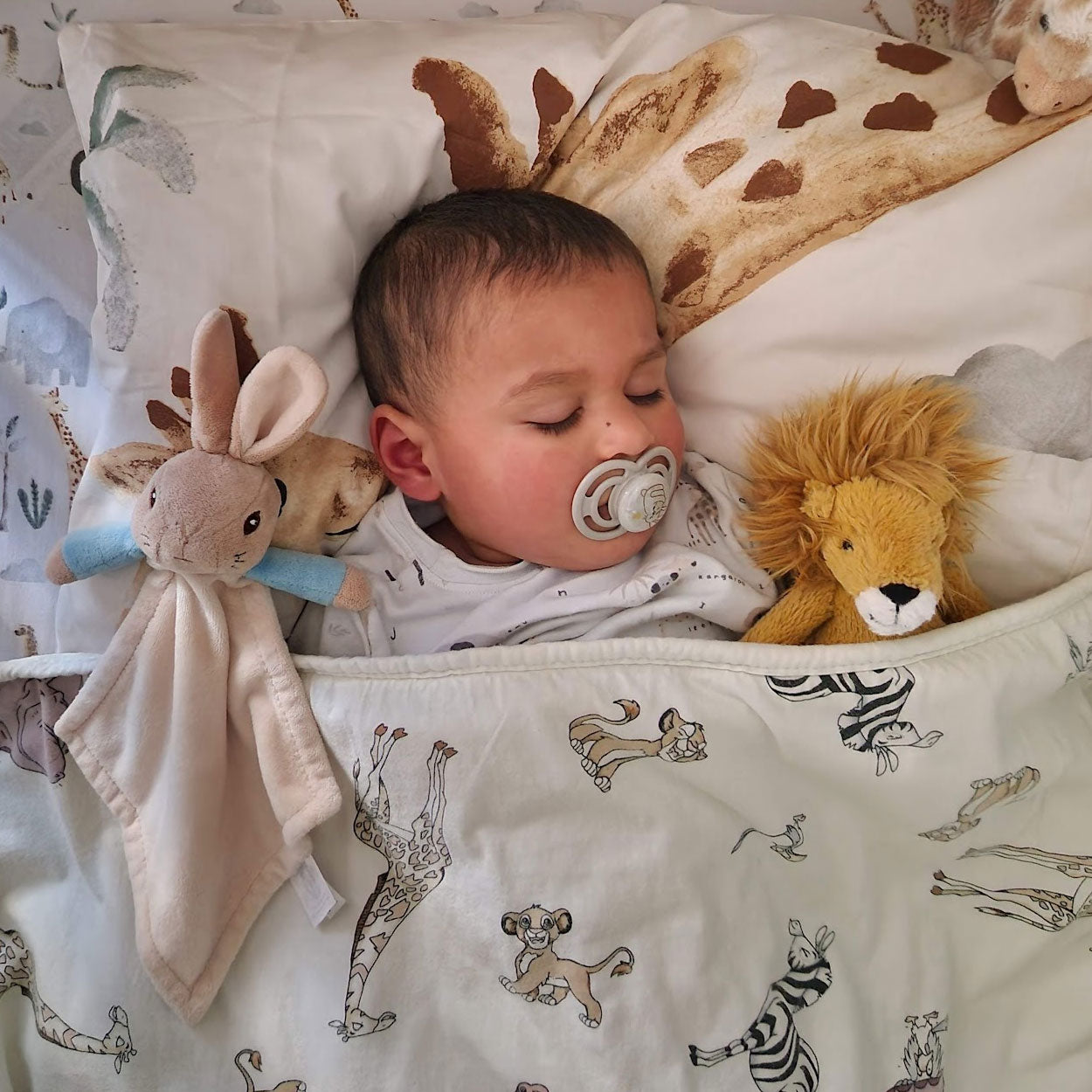
Credit: myfirstnursery.co.uk
Benefits Of Comfort Toys
Comfort toys are more than just cute companions for babies. These soft objects often become an essential part of a child's early life. They offer various benefits, making them a valuable addition to a baby's sleep routine. Parents often wonder about the right time to introduce a comfort toy. Understanding the benefits can help make this decision easier.
Emotional Support
Comfort toys provide significant emotional support to babies. They offer a sense of security, especially during new experiences. This small object can help soothe fears and anxiety. With a comfort toy, a baby may feel more at ease in unfamiliar settings. This emotional bond can be crucial during the early years.
Sleep Improvement
A comfort toy can enhance a baby's sleep quality. Familiar textures and scents help them relax. Babies often associate the toy with bedtime routines. This can signal it's time to rest, making it easier for them to fall asleep. Better sleep patterns often result from this comforting presence. As a result, both babies and parents can enjoy more peaceful nights.

Credit: bunniesbythebay.com
Risks Of Early Introduction
Introducing comfort toys too early can pose risks for babies during sleep. These toys might obstruct breathing or increase the chance of suffocation, making it crucial to choose the right timing and environment for their introduction. Safety should always be the priority when considering sleep accessories for infants.
Welcoming a comfort toy into your baby's crib might seem like a cozy idea, but it’s essential to weigh the risks of early introduction. Many parents eagerly await the milestone of their baby sleeping with a comfort toy, imagining nights filled with peace and a sense of security. However, introducing these toys too soon can pose significant risks that outweigh the benefits.
Suffocation Hazards
Babies are curious, and their love for exploring can sometimes lead to dangerous situations. Toys, especially those with loose parts or plush designs, can become suffocation hazards. You might think a small plush toy is harmless, but if your baby rolls over onto it, their limited ability to move away might pose a risk. Statistics show that suffocation incidents in infants often involve soft bedding or toys. As a parent, it can be heart-wrenching to imagine such scenarios. To mitigate these risks, consider waiting until your baby can move independently and has better control over their environment.
Allergy Concerns
Have you ever noticed your baby sneezing or developing a rash after playing with certain toys? This could be an allergy concern. Babies have sensitive skin and immune systems, which can react to materials found in toys. Common allergens like dust mites or specific fabric dyes can trigger reactions. Before letting your baby sleep with a toy, check for hypoallergenic materials. It's crucial to ensure that any comfort toy you choose is free from allergens that could affect your baby's health. Choosing the right time to introduce a comfort toy involves more than just the age factor. Consider your baby's overall development and health. Are there other safety measures you can take to ensure your baby’s sleeping environment is secure?
Age Recommendations
Babies can sleep with a comfort toy around 12 months old. This age ensures safety and reduces risks. Always choose toys without small parts to prevent choking hazards.
Introducing a comfort toy into your baby's sleep routine can be a soothing and reassuring experience for them. However, knowing the right age to do so is crucial for their safety and comfort. You might wonder when it's safe to let your little one snuggle with their favorite plush friend at night. This guide will help you understand the recommended age and offer insights on making this transition smooth and safe for your child.
Infant Sleep Safety
Safety is the top priority for infants. Experts generally recommend that babies sleep without any loose items in their crib until they are at least 12 months old. This includes comfort toys, blankets, and pillows. The risk of Sudden Infant Death Syndrome (SIDS) is highest in the first year. Keeping the crib clear helps minimize this risk. It might be hard to resist the urge to give your baby a cuddly companion, but their safety comes first. You can place the comfort toy nearby during playtime or naps while you supervise. This helps your baby get used to the toy without compromising their safety during unsupervised sleep.
Toddler Transition
Once your child reaches their first birthday, you can start introducing a comfort toy into their sleep routine. At this age, toddlers often seek comfort items that help them feel secure during sleep. Choosing the right comfort toy is important. Opt for a small, soft toy that’s easy to wash and doesn’t have small parts that could pose a choking hazard. Many parents find that a toy that has been present in everyday activities becomes a favorite bedtime companion. Observe your toddler’s attachment to the toy. Does it seem to help them settle down for sleep more easily? If so, this can be a sign of a positive transition. However, if the toy becomes a distraction, you might need to reassess its role in the bedtime routine. Have you noticed any changes in your toddler's sleep patterns with a comfort toy? Adjust accordingly to ensure it serves its purpose of providing comfort without hindering sleep. This transition is a personal journey for each child, and your insight into their needs plays a key role.
Choosing The Right Toy
Choosing the right comfort toy for your baby is vital. It can provide them with a sense of security and warmth. This section guides you through selecting the perfect toy. Safety and comfort should be your top priorities.
Material Safety
Ensure the toy is made from non-toxic materials. Babies often chew on toys. Safe materials protect them from harmful chemicals. Look for toys labeled as BPA-free. Natural fibers like cotton are a great option.
Size Considerations
Pick a toy that's easy for your baby to hold. Avoid toys with small parts that could be choking hazards. A toy should be large enough to cuddle but not overwhelm them. Compact toys are easier to manage during sleep.
Creating A Safe Sleep Environment
Babies can safely sleep with a comfort toy after 12 months. Before this age, it's safer to keep the crib empty to reduce risks. Parents should ensure the toy is small, soft, and without choking hazards.
Creating a safe sleep environment for your baby is crucial, especially when they start sleeping with a comfort toy. You want to ensure your little one is cozy yet safe during their slumber. It’s not just about picking the cutest toy; it’s about understanding the right time and setting for it.
Crib Safety Tips
Before adding a comfort toy to your baby's crib, make sure the crib itself is safe. Always use a firm mattress that fits snugly within the crib. Gaps can be dangerous as they might trap your baby. Check the crib regularly for loose screws or broken slats. These could pose risks if not addressed promptly. Keep the crib free from loose bedding and pillows. These items can increase the risk of suffocation. Would you want anything in the crib that could compromise your baby's safety?
Monitoring Sleep
You might feel tempted to check on your baby every few minutes, especially with a new comfort toy in the crib. Instead, use a baby monitor to keep an eye on them. This tool can help you observe without constant interruptions. Watch for any changes in your baby's sleep patterns. Is the comfort toy helping them sleep longer or causing disturbances? Your observations can guide any adjustments needed. Consider setting up a sleep routine. A consistent sleep schedule can improve your baby's sleep quality and make monitoring easier. Have you noticed how a routine can create peace in your household?
By focusing on crib safety and sleep monitoring, you can create a secure sleep environment for your baby. Offering them the comfort they need without compromising their safety is key. What steps will you take today to ensure your baby's sweet dreams are safe ones?
Signs Of Readiness
Babies might be ready for a comfort toy when they can roll over and show interest in objects. Ensure the toy is safe and age-appropriate to avoid choking hazards. Observing your baby's behavior can help determine the ideal time for introducing a comfort toy.
Introducing a comfort toy to your baby's sleep routine can be a sweet milestone. But how do you know when your little one is ready? Noticing signs of readiness is crucial. You'll want to ensure your baby is developmentally prepared and shows the right behavioral cues.
Developmental Milestones
Your baby needs to reach certain milestones before safely snuggling with a comfort toy. Once your baby can roll over, pick up objects, and sit without support, they might be ready. These skills indicate your baby can move away from a toy if needed, reducing the risk of suffocation. A comfort toy can become a tool for soothing if your baby starts showing interest in grabbing objects.
Behavioral Indicators
Behavioral signs can also hint at readiness. If your baby reaches for their favorite toy during playtime, they might be ready to sleep with it. A baby who seeks comfort during stressful times may benefit from a familiar toy at bedtime. Observe your baby’s attachment to certain toys. Does your baby cuddle their teddy bear when upset? This attachment might be a cue to introduce the toy into their sleep environment.
As a parent, noticing these signs can be an exciting part of your child's growth. Have you spotted these indicators in your baby yet? It's fascinating to see how a simple toy can become a comforting presence. Your baby's readiness is unique, so trust your instincts as you decide.
Parental Concerns
Parents often wonder when it's safe for babies to sleep with a comfort toy. Experts suggest waiting until the baby is at least 12 months old. Before this age, toys in the crib can pose a risk. Choosing soft toys without small parts ensures safety and comfort.
When it comes to your baby's sleep environment, safety is a top priority. Many parents wonder when it's appropriate to introduce a comfort toy into their baby's crib. This decision is often clouded by various concerns, stemming from worries about safety to fears of dependency. Understanding these concerns can help you make informed decisions that both comfort and protect your baby.
Common Questions
Parents often ask, "Is it safe for my baby to sleep with a comfort toy?" Safety is the biggest worry, particularly the risk of suffocation or choking. Many parents are unsure about the right age for introducing such toys. Another common query is whether a comfort toy can help a baby sleep better. You're not alone if you wonder if a soft, cuddly friend might soothe your little one at night.
Expert Advice
Pediatricians recommend waiting until your baby is at least 12 months old before allowing them to sleep with a comfort toy. This helps minimize any risks associated with Sudden Infant Death Syndrome (SIDS). Choose a toy that is small, soft, and has no removable parts. This reduces potential hazards and ensures your baby can cuddle safely. Experts also suggest observing your baby's reaction to the toy during daytime naps. This can offer insights into how your baby might interact with it overnight. --- Ultimately, you know your baby best. Trust your instincts and consider professional advice to ensure both safety and comfort. What comfort toy has your little one shown interest in?

Credit: babysensemonitors.co.uk
Frequently Asked Questions
When Can Babies Start Using Comfort Toys?
Babies can start using comfort toys around 12 months old. At this age, they can safely grasp and cuddle toys. Comfort toys can help them feel secure and ease separation anxiety. Always ensure the toy is safe, with no small parts or choking hazards.
Why Are Comfort Toys Important For Babies?
Comfort toys provide emotional support and security for babies. They help ease anxiety and stress during transitions. Having a familiar toy can make sleeping easier for babies. It also helps them feel more independent and confident.
How Do Comfort Toys Aid In Baby Sleep?
Comfort toys help create a soothing sleep environment for babies. They provide a sense of security, making it easier to fall asleep. Familiar toys can comfort babies during sleep disturbances or nightmares. Ensure the toy is safe and appropriate for the baby's age.
Are There Safety Concerns With Comfort Toys?
Safety is crucial when choosing comfort toys for babies. Avoid toys with small parts, strings, or loose stuffing. Ensure the toy is age-appropriate and washable. Regularly inspect toys for wear and tear to prevent choking hazards.
Conclusion
Choosing the right time for a comfort toy is crucial. Safety comes first for babies. Experts suggest around 12 months is safe. Before that, toys can pose risks like suffocation. Always check the toy's size and material. Soft and washable toys are best.
Monitor your baby as they sleep. Notice any changes in behavior. Comfort toys can help soothe and calm. They provide a sense of security. Be patient and observe your baby's needs. Trust your instincts as a parent. Every baby is unique.
Making informed choices ensures your baby's safety and comfort.