
Do you remember the thrill of hunting for that perfect Beanie Baby? These adorable plush toys once took the world by storm, becoming a cultural phenomenon that left both kids and adults enchanted.
But have you ever wondered when it all began? What year did these cuddly creatures first capture our hearts and ignite a collecting craze that would last for years? As you dive into this article, you'll uncover the origins of Beanie Babies and discover what made them so irresistible.
Prepare to be taken back in time to the very beginning of this unforgettable toy sensation.
The Birth Of Beanie Babies
The Birth of Beanie Babiesmarked a revolution in the toy industry. Launched in the early '90s, these cuddly collectibles quickly captured hearts worldwide. But what year did this phenomenon truly begin?
The Concept Behind Beanie Babies
Beanie Babies were born from a simple idea: to create a toy that was affordable yet adorable. Ty Warner, the mastermind behind this creation, aimed to craft a plush toy that stood out. His vision was all about uniqueness and accessibility.
The Year Of Creation
Beanie Babies made their grand debut in 1993. This was the year when the first nine Beanie Babies were released. These included classics like Legs the Frog and Squealer the Pig.
The Initial Reception
Initially, the toys were met with modest enthusiasm. They were not an instant hit. Many collectors today recall seeing them in stores but not knowing their future value.
The Turning Point
What changed everything was the strategic retirement of certain Beanie Babies. It was a game-changer. By retiring some of the originals, Ty Warner created a sense of urgency and scarcity.
Why Does The Year Matter?
Understanding the year Beanie Babies were introduced helps you grasp their historical context. It was a time when the toy market was ripe for innovation. How did a simple plush toy become a cultural icon?
Lessons Learned From Beanie Babies
Beanie Babies taught us the power of simplicity in product design. They showed that a small idea could lead to massive success. What other simple ideas could be waiting for their moment?
Whether you're a collector or a toy enthusiast, the story of Beanie Babies offers valuable insights. It’s a reminder of the impact one person’s vision can have. Are you ready to create your own phenomenon?
The Inspiration Behind Beanie Babies
Beanie Babies captivated the hearts of collectors and children alike, becoming an iconic toy sensation in the 1990s. But what sparked the creation of these plush toys? Understanding the inspiration behind Beanie Babies can offer insight into their widespread appeal and enduring charm.
The Visionary Behind The Craze
Ty Warner, the creator of Beanie Babies, was a toy industry innovator with a keen eye for trends. His journey began with a simple idea: make affordable, adorable plush toys that were accessible to everyone. Warner believed in the power of simplicity and tapped into the emotional connection people have with animals.
Have you ever wondered why you gravitate towards certain toys? Warner banked on the fact that people love cute, cuddly companions, and he focused on making each Beanie Baby unique and collectible. This concept took the toy world by storm, encouraging collectors to hunt for rare finds.
The Role Of Nostalgia
Think about how toys from your childhood hold a special place in your heart. Warner capitalized on nostalgia, crafting Beanie Babies to evoke fond memories and create new ones. By designing toys that resonated with both children and adults, he tapped into a universal sentiment that transcended generations.
These plush pals became more than just toys—they became symbols of childhood wonder and joy. Warner’s strategy was brilliant in its simplicity, appealing to the emotions tied to treasured childhood experiences.
Limited Editions And Exclusivity
Would the excitement of collecting Beanie Babies have been the same without the thrill of chasing limited editions? Warner introduced scarcity, releasing certain Beanie Babies in limited numbers and retiring them quickly. This approach fueled a frenzy among collectors eager to complete their collections.
The exclusivity of certain Beanie Babies made them desirable and valuable, turning simple toys into coveted treasures. This strategy played a significant role in making Beanie Babies a cultural phenomenon.
Community And Connection
Did you ever swap Beanie Babies with friends or family? The craze fostered a vibrant community of collectors who bonded over their shared passion. Warner’s creation encouraged interaction and connection, as enthusiasts gathered at fairs, online forums, and trading events.
These interactions created lasting friendships and memories, proving that toys can bring people together in unexpected and meaningful ways. Beanie Babies were more than just toys—they were a bridge to shared experiences and collective joy.
Understanding the inspiration behind Beanie Babies reveals the genius of Ty Warner's vision. His insights into human emotion, nostalgia, and community connection transformed simple plush toys into an enduring cultural icon. What elements of Warner's strategy do you think could inspire future toy innovations?
The Creator: Ty Warner
Ty Warner introduced Beanie Babies in 1993. These small, stuffed toys quickly became popular collectibles. Each toy had a unique design and name, sparking a collecting craze worldwide.
In the world of collectibles, Beanie Babies hold a unique spot, a phenomenon that swept across the globe with their undeniable charm. But who was the mastermind behind these adorable plush toys? Enter Ty Warner, a man whose vision and creativity gave birth to one of the most iconic toy lines in history. Understanding Warner's role is key to appreciating how Beanie Babies became more than just toys.
The Early Life Of Ty Warner
Ty Warner's journey is as fascinating as the toys he created. Born in Chicago in 1944, he grew up with a love for plush toys, a passion that would eventually shape his career. He was not just a toy maker; he was a visionary who understood the emotional connection people can have with simple creations.
The Birth Of Ty Inc.
Warner founded Ty Inc. in 1986, but it wasn't until 1993 that Beanie Babies hit the market. Ty Inc. wasn't initially a household name, but Warner's innovative approach changed that. He introduced a strategy that limited production and retired certain models, creating a sense of urgency and exclusivity.
Warner's Unique Marketing Strategy
Unlike traditional toy companies, Warner didn't rely on massive advertising campaigns. Instead, he built a grassroots buzz that was fueled by the scarcity of the toys. This approach turned Beanie Babies into a cultural craze, driven by word-of-mouth and the thrill of the hunt.
Attention To Detail
Warner was meticulous about the design and quality of each Beanie Baby. His insistence on using quality materials and unique designs made the toys stand out. This attention to detail wasn't just about aesthetics; it was about creating a product that people would cherish.
Legacy Of Ty Warner
The impact of Ty Warner's creation is still felt today. Beanie Babies have become collectibles, with some fetching high prices among enthusiasts. Warner's legacy is a testament to the power of creativity and the influence of innovative marketing. As you think about the success of Beanie Babies, consider the role of passion and creativity in your own pursuits. What can you learn from Ty Warner's journey that might apply to your own life?
Credit: www.littlegiantkidz.com
The First Beanie Babies
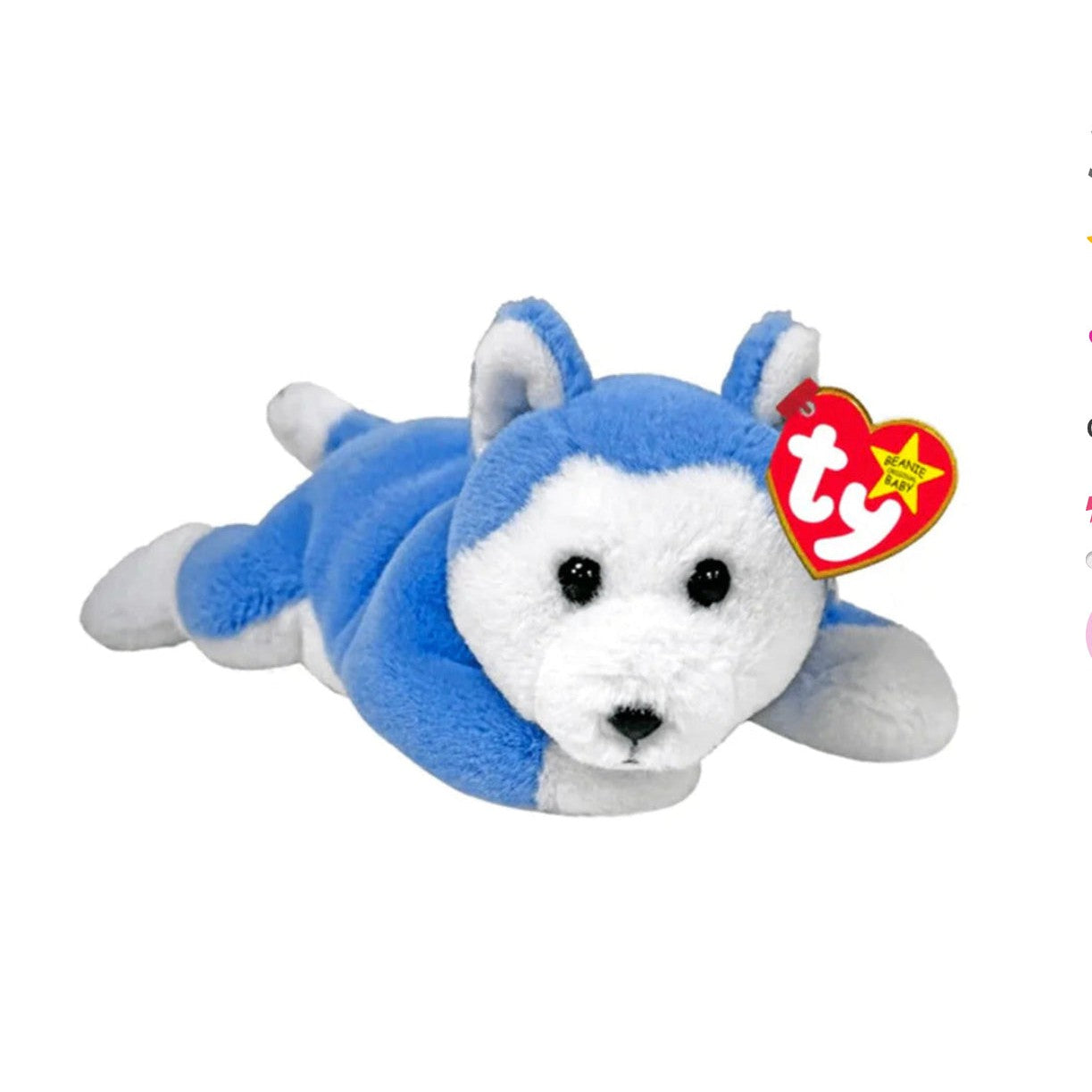
The first Beanie Babies captured hearts and became a sensation. Ty Warner, the creator, introduced these small stuffed animals in 1993. They stood out with their unique design and affordable price. Collectors quickly embraced them, sparking a craze. Each Beanie Baby had its own name, birthdate, and poem. This made them more than just toys; they were treasures.
Original Nine Beanie Babies
In 1993, the original nine Beanie Babies debuted. They included Legs the Frog, Squealer the Pig, and Spot the Dog. Other members were Flash the Dolphin and Splash the Whale. People also loved Chocolate the Moose and Patti the Platypus. Not to forget, Brownie the Bear and Punchers the Lobster. These nine set the stage for a collectible revolution.
Unique Features And Designs
The first Beanie Babies had distinct designs. They used simple and bright colors. The beans inside allowed them to pose easily. This made them more flexible than other stuffed toys. Their small size made them easy to carry. Each Beanie Baby also had a heart-shaped tag. This tag contained their name, birthdate, and a poem.
The Birth Of A Craze
The Beanie Babies craze began in local shops. Their limited availability increased their appeal. Collectors sought them everywhere. Soon, they became must-have items. People attended fairs and swap meets to find them. The craze even reached the internet. Websites dedicated to Beanie Babies emerged. They tracked values and trades, fueling the frenzy.
Ty Warner's Vision
Ty Warner envisioned more than just toys. He wanted collectibles with personality. This vision led to the creation of Beanie Babies. His strategy included retiring models. This made them rare and valuable. Warner's approach turned Beanie Babies into a cultural phenomenon. His vision transformed how people viewed stuffed toys.
Initial Market Release
Imagine walking into a toy store in the mid-90s, surrounded by shelves filled with plush toys, each with a tag that made you want to collect them all. This was the initial market release of Beanie Babies, a moment that changed the toy industry forever. Let's dive into how it all began and what made these little plushies so irresistible.
What Year Did Beanie Babies Hit The Market?
Beanie Babies first appeared in 1993. Ty Warner, the creator, introduced them with a vision to offer something affordable yet collectible.
These toys were different from the usual plush toys. They were filled with plastic pellets, giving them a unique feel and flexibility.
Do you remember the first time you held a Beanie Baby? That distinctive texture and weight made them stand out from other toys.
The Strategy Behind The Release
Ty Warner employed a clever strategy for the release. He initially introduced nine Beanie Babies, focusing on exclusivity and collectibility.
Each toy came with its own name and tag, sparking the desire to collect them all. This was a brilliant move to ensure high demand.
Wouldn't you agree that collecting something special creates a sense of achievement?
The Impact On Toy Stores
Beanie Babies transformed toy stores. Their compact size and affordable price made them accessible to everyone.
Stores saw a surge in customers, eager to get their hands on the latest releases. The hunt for rare Beanie Babies became a phenomenon.
Have you ever stood in line for a toy, hoping you’d be one of the lucky ones to get the last piece on the shelf?
Creating A Collectible Craze
The initial release was just the beginning. Ty Warner continued to add new designs, each more unique than the last.
This strategy kept the craze alive. People were not only buying toys, but also investing in future collectibles.
Are there any toys today that inspire the same excitement and anticipation?
Reflections On The Initial Market Release
The initial market release of Beanie Babies set the tone for a collectible revolution. It taught us about the power of scarcity and desire.
It’s fascinating how a simple toy could spark such a widespread craze. The lessons learned from Beanie Babies continue to influence marketing strategies even today.
What do you think made these toys so special? Is it the nostalgia, the thrill of collecting, or something else entirely?

Credit: www.ebay.com
Impact On Toy Industry
Beanie Babies, introduced in 1993, significantly influenced the toy industry. Their popularity sparked a collectible craze, transforming how toys were marketed and sold.
The Beanie Babies phenomenon took the toy industry by storm, creating ripples that are still felt today. These plush toys, introduced in 1993, were not just playthings; they became collectible items, sparking a frenzy that changed how toys were marketed and sold. Their impact on the toy industry is both fascinating and profound.
Availability And Scarcity Strategy
Beanie Babies were unique in how they were released. Ty Warner, the mastermind behind them, introduced the idea of retiring certain toys. This strategy made some Beanie Babies scarce, driving demand through the roof. Have you ever felt the thrill of finding a rare item? That's what collectors experienced. This scarcity model pushed other toy companies to rethink their marketing strategies.
Creating A Collectible Culture
Suddenly, toys weren't just for kids. Adults were hunting down Beanie Babies, turning them into prized collectibles. They were displayed in cabinets, discussed on forums, and traded like stocks. Do you remember your favorite childhood toy? Imagine it becoming a valuable collectible. This shift in perception influenced the toy industry to cater to a broader audience, including adults.
Impact On Pricing And Valuation
Beanie Babies taught us something crucial about value. Their prices soared, some selling for thousands of dollars. This phenomenon highlighted how perceived value can greatly impact pricing. Consider the toys you purchase today. Do you think about their potential future worth? The Beanie Babies craze encouraged companies to add value beyond just the toy itself, often creating special editions or exclusive releases.
Influence On Marketing Techniques
The marketing behind Beanie Babies was revolutionary. Simple yet effective, it relied heavily on word-of-mouth and grassroots marketing. The impact was massive, showing that traditional advertising isn't the only path to success. Have you noticed how many brands now use social media influencers and online communities? This shift was partly fueled by the success of Beanie Babies, which leveraged personal connections and community engagement to spread the word.
Lessons For Modern Toy Makers
Beanie Babies left a lasting legacy. Toy makers today are inspired by their success, learning to balance scarcity, create collectible items, and engage broader audiences. The toy industry has evolved, adopting these strategies to captivate consumers. Think about the toys you see in stores now. Are they tapping into your sense of value and rarity? The influence of Beanie Babies continues to shape how toys are crafted and marketed, ensuring their impact endures.
The Collectible Craze
Beanie Babies, the plush toys that sparked a worldwide collecting frenzy, were first made in 1993. These adorable collectibles quickly became a cultural phenomenon, capturing hearts and igniting the passion of collectors everywhere.
The 1990s saw a whirlwind of toy trends, but none quite like the Beanie Babies phenomenon. These plush toys captivated hearts and wallets, sparking a collectible craze that few could have predicted. Whether you were a child, a parent, or a dedicated collector, the Beanie Babies frenzy was impossible to ignore. It's fascinating to look back and consider how a simple toy could create such a stir. The Beanie Babies made their debut in the year 1993, but it was not until the mid-90s that they truly took off. Their creator, Ty Warner, had a vision that went beyond just stuffed animals. He saw potential in limited editions, which turned these toys into sought-after collectibles.
The Birth Of A Craze
The idea of releasing limited editions was a masterstroke. It introduced scarcity, making each Beanie Baby seem like a rare gem. People would stand in long lines just to get their hands on the latest release. Why were we so captivated? Perhaps it was the thrill of the hunt or the hope of finding a rare piece. Many saw Beanie Babies as an investment, believing their value would skyrocket over time.
Chasing The Rare Ones
Some Beanie Babies became legends due to their rarity. Take "Peanut the Royal Blue Elephant," for example. Originally produced in a deeper blue color, this version was discontinued, causing its value to soar. Collectors would go to great lengths to track down these elusive toys. Did you ever rummage through bins at a toy store, hoping to discover a hidden treasure? That anticipation and excitement were a big part of the appeal.
The Rise And Fall
The Beanie Babies craze was not meant to last forever. By the early 2000s, the market was flooded, and the value of many Beanie Babies plummeted. It was a classic case of too much of a good thing. But what did we learn from this? It taught us about the unpredictable nature of trends and the importance of timing in collectibles. Did you hold onto your Beanie Babies, hoping for a resurgence? Or did you move on to the next big thing?
Lessons For Today’s Collectors
Today's collectors can learn a lot from the Beanie Babies craze. It's a reminder that trends can be fleeting, but the joy of collecting remains timeless. The real value often lies in the memories and experiences you gain along the way. Are you chasing the latest collectible craze? Remember to enjoy the journey. After all, the stories you create are often worth more than the items themselves.
Evolution Of Beanie Babies
Beanie Babies first appeared in 1993, capturing hearts worldwide. These small, plush toys became a sensation quickly. Their creation marked the start of a collectible craze.
Beanie Babies, with their adorable faces and collectible charm, have captured the hearts of many since their inception. The journey of these plush toys is fascinating, not just for collectors but for anyone interested in how a simple idea can turn into a global phenomenon. From humble beginnings to a cultural craze, Beanie Babies have evolved in ways that reflect trends, economic shifts, and the sheer power of nostalgia. Beanie Babies were first introduced in 1993 by Ty Warner, a man with a vision to create affordable, high-quality plush toys. The first nine Beanie Babies were launched in 1994. These toys were unique because they were filled with plastic pellets, which gave them a distinct feel and allowed them to be posed in different ways. This innovation set them apart from other plush toys, sparking the initial interest among children and collectors alike.
Rise To Fame
In the mid-1990s, Beanie Babies began to gain popularity rapidly. Their limited availability and the introduction of "retirement" of certain models created a sense of urgency among collectors. You might remember the excitement of searching high and low for that one elusive Beanie Baby to complete your collection. This strategy turned Beanie Babies into not just toys but investment items, with some fetching hundreds or even thousands of dollars on secondary markets.
Market Mania
The craze around Beanie Babies reached its peak in the late 1990s. Stores were flooded with eager buyers, and trading events became commonplace. This period saw Beanie Babies becoming a cultural phenomenon, appearing in news stories and even influencing economic trends. However, the question arises: what happens when a collectible becomes too accessible? The market eventually saw a decline, as oversaturation led to decreased demand.
Beanie Babies Today
While the frenzy has faded, Beanie Babies still hold a place in many collectors' hearts. Today, they serve as a nostalgic reminder of simpler times. Some collectors continue to hunt for rare editions, while others cherish the memories associated with their Beanie Babies. This evolution from craze to classic raises an interesting point: how do toys like Beanie Babies continue to influence our lives long after their peak?
The Legacy Continues
Beanie Babies have left a lasting legacy in the toy industry. Their influence is seen in the way limited editions and collectible strategies are used by toy manufacturers today. If you ever find yourself reminiscing about your own Beanie Baby collection, consider how these toys have shaped your understanding of value and nostalgia. Their evolution is a testament to how a simple product can become a cultural icon, and it's worth reflecting on what modern collectibles might follow in their footsteps. The story of Beanie Babies is not just about toys; it's about the evolution of a product that captured the spirit of its time. As you look back on your own experiences with Beanie Babies, think about the broader impact they've had on the world of collecting and the joy they continue to bring.
Legacy And Cultural Influence
The Beanie Babies toy craze swept through the 1990s, leaving a lasting mark. These small, plush toys became a cultural phenomenon. Their simplicity and charm captured hearts worldwide. But what was their true legacy? And how did they influence culture?
Legacy Of Beanie Babies
Beanie Babies were more than just toys. They represented a new way of collecting. Each Beanie Baby had its own unique personality and story. This made collecting them more personal and exciting. People saw them as investments, hoping their value would rise.
Their limited availability created a sense of urgency. Many collectors hunted tirelessly for rare editions. This scarcity drove prices up and fueled a frenzy. The Beanie Babies market boomed, becoming a global trend.
Cultural Influence Of Beanie Babies
Beanie Babies influenced culture in unexpected ways. They changed how people viewed toy collecting. It wasn't just for children anymore. Adults joined in, seeking rare and valuable pieces.
This trend also impacted how toys were marketed. Scarcity and exclusivity became key selling points. Many brands adopted similar strategies, hoping to replicate the success.
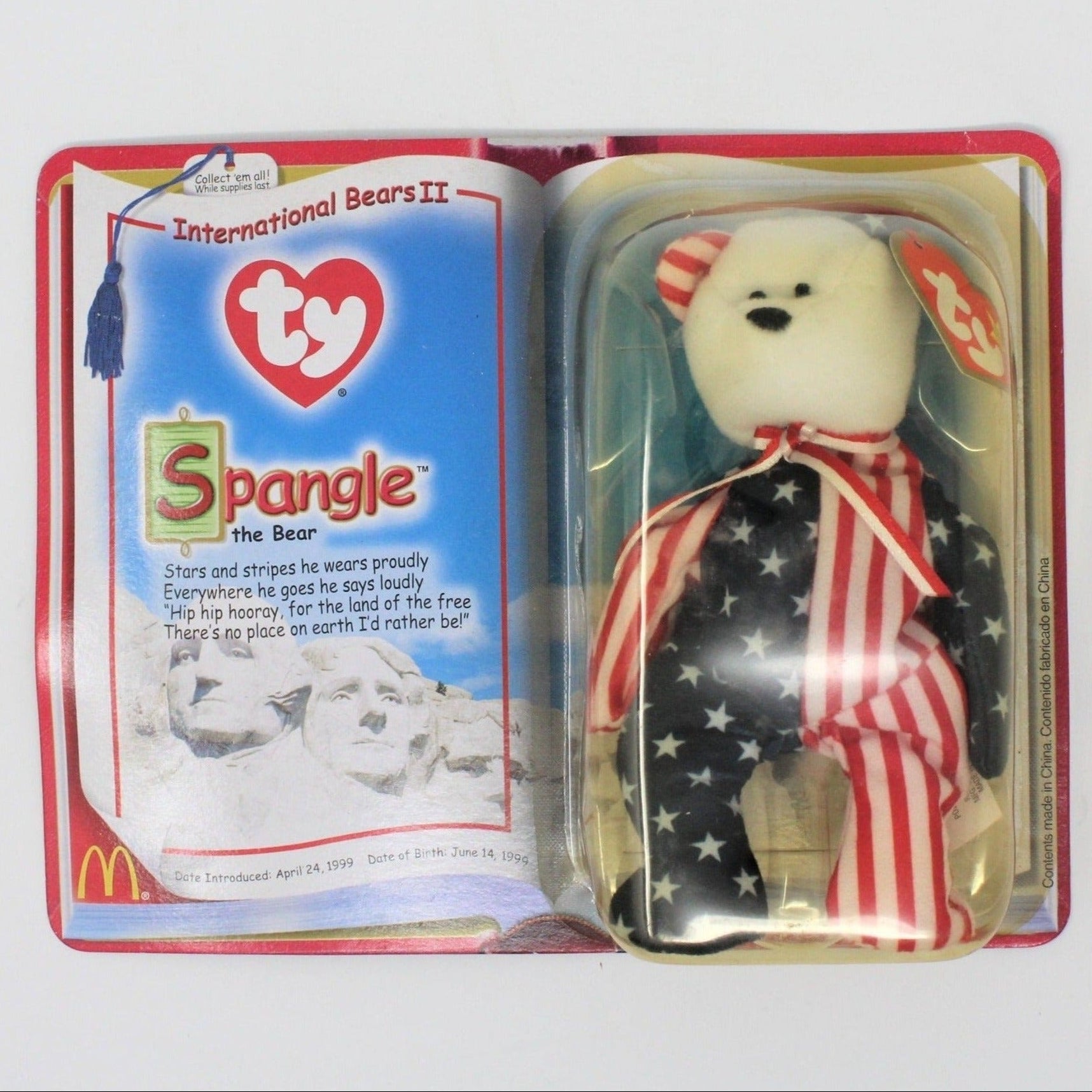
Even today, Beanie Babies are part of pop culture. They symbolize a unique period in toy history. Their influence on marketing and collecting remains significant.
Credit: www.antigotrunk.com
Frequently Asked Questions
When Were Beanie Babies First Introduced?
Beanie Babies were first introduced to the market in 1993. Ty Warner, the founder of Ty Inc. , launched them. These small, plush toys quickly became a cultural phenomenon. Collectors and enthusiasts worldwide sought them, leading to a massive craze in the 1990s.
What Made Beanie Babies Popular In The 1990s?
The unique design and limited availability made Beanie Babies popular in the 1990s. Each toy had its own name, birthdate, and poem. This made them highly collectible. The strategy of retiring certain models added to their appeal and value.
How Did Beanie Babies Impact The Toy Industry?
Beanie Babies revolutionized the toy industry with their innovative marketing strategies. Their popularity led to a collectibles boom. The concept of limited editions and retirements was groundbreaking. It influenced toy marketing practices and collector culture for years.
Are Beanie Babies Still Collectible Today?
Yes, Beanie Babies remain collectible, especially rare or retired ones. Some collectors still seek them for nostalgia or investment. The market isn't as frenzied as in the 1990s. However, certain Beanie Babies can fetch high prices if in pristine condition.
Conclusion
Beanie Babies first appeared in 1993. These toys quickly captured hearts. Their unique designs and limited availability made them special. Collectors loved the variety and stories each one told. Over time, Beanie Babies became a cultural phenomenon. Their popularity spanned across generations.
Today, they hold nostalgic value for many. Whether you collect or reminisce, their charm endures. This toy's history shows the power of simple joy. Beanie Babies remind us of childhood wonder. Their legacy continues to inspire new collectors. Exploring their past brings back fond memories.
They truly are a timeless treasure.