
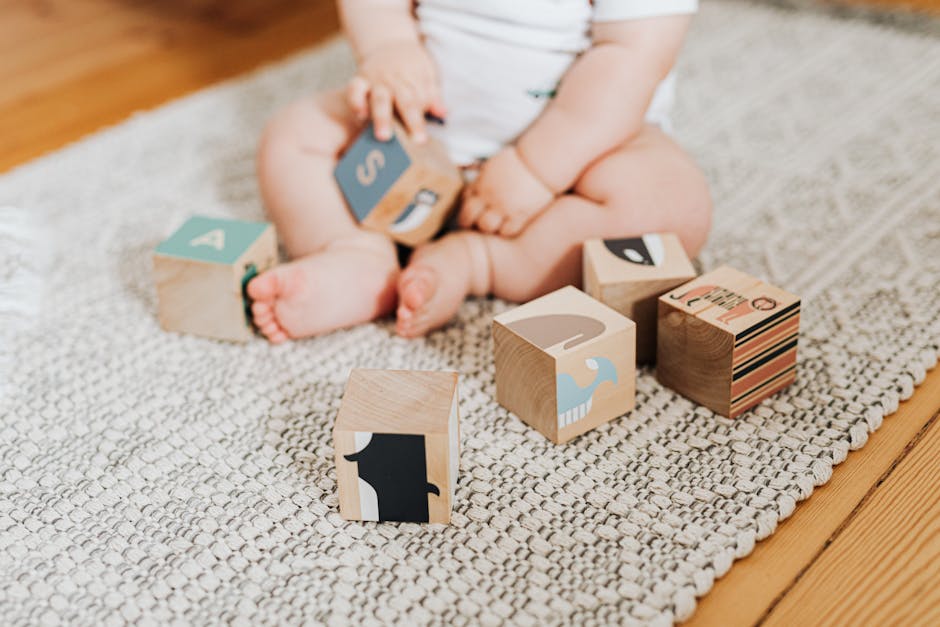

When it comes to your little one's health, every decision feels monumental, doesn't it? As a parent, you naturally want to create the safest environment possible for your child.
With germs lurking on every surface, especially on toys that spend more time in your baby's mouth than in the toy box, you might wonder about the best cleaning methods. The question, "Is it ok to spray Lysol on baby toys?
" Isn't just a fleeting thought—it's a genuine concern for many parents like you. Before you reach for that disinfectant spray, let's explore how to maintain a clean play space without compromising your child's well-being. Dive deeper into this topic, and you'll discover practical solutions to keep your baby safe and your mind at ease.
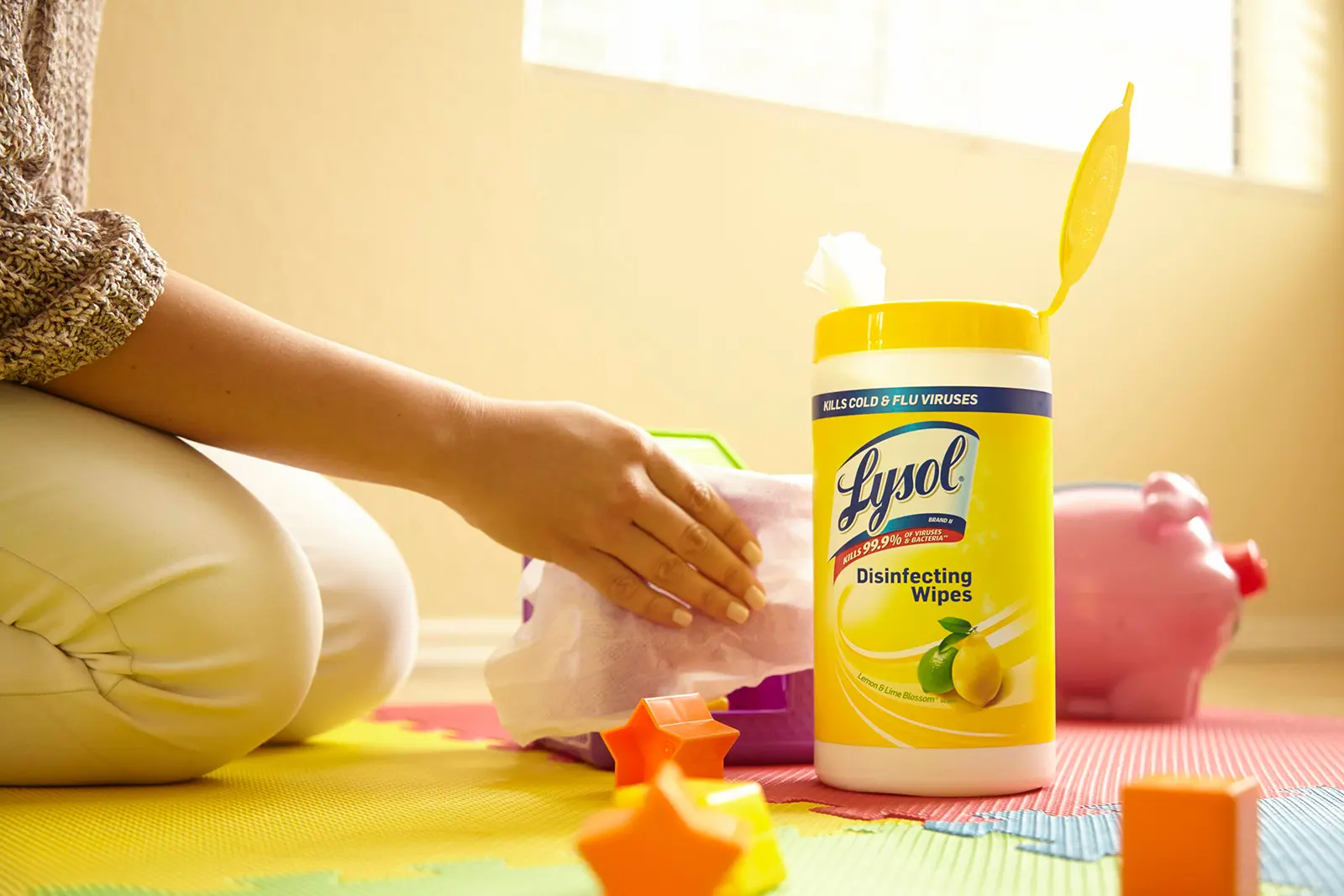
Credit: www.lysol.com
Understanding Lysol Ingredients
Exploring Lysol's ingredients helps decide if it's safe for baby toys. Always check labels for harsh chemicals. Choose disinfectants designed for children's items to ensure safety and health.
When it comes to keeping your baby’s environment clean, you might wonder if it's safe to spray Lysol on their toys. Understanding the ingredients in Lysol can help you make informed decisions about its use. Knowing what's inside the bottle can ensure you’re not exposing your child to anything harmful. Let's break down the components and consider potential risks associated with using Lysol on baby toys.
Key Components
Lysol products often contain disinfectants like ethanol and benzalkonium chloride. These are effective in killing germs and bacteria. Ethanol is a type of alcohol used to sanitize surfaces quickly. Benzalkonium chloride is a common disinfectant found in many cleaning products. The formula also includes fragrances and surfactants. Fragrances give Lysol its fresh smell, but they can cause allergic reactions. Surfactants help clean surfaces by breaking down dirt and grime. While these components are crucial for disinfecting, knowing their effects is important.
Potential Risks
Using Lysol on baby toys might expose your child to chemicals. Ethanol evaporates quickly, but residue can remain. If your baby chews or sucks on toys, this could be concerning. Benzalkonium chloride can irritate skin and eyes, posing another risk. Fragrances can trigger allergies, especially in sensitive individuals. Babies have delicate skin and respiratory systems. Even trace amounts might cause irritation or allergic reactions. Is it worth the risk when there are milder cleaning alternatives? Consider how often your baby plays with their toys. Frequent exposure could amplify potential risks. Would a natural cleaning solution work as well without these concerns? When selecting cleaning products, it’s crucial to weigh effectiveness against safety. Would you rather choose a product that’s gentle on your baby yet still effective? Your choice could impact your child's health and comfort.
Safety Concerns With Baby Toys
Parents often worry about the safety of their baby's toys. Toys can have hidden dangers. It's crucial to know these risks. This ensures your child's safety during playtime. Let's explore some common concerns.
Chemical Sensitivity
Babies have sensitive skin. Chemical exposure can cause irritation or allergies. Many toys have harmful chemicals. It's important to check labels. Ensure toys are free from toxins. Cleaning products like Lysol can also be harsh. Always rinse toys thoroughly after cleaning. This minimizes chemical residue. Choose toys made from natural materials. They are often safer for babies.
Choking Hazards
Small parts can pose choking risks. Babies explore by putting objects in their mouths. Always inspect toys for loose parts. Make sure toys are age-appropriate. Remove any small detachable pieces. Supervise playtime to prevent accidents. Large, solid toys are safer options. Ensure toys meet safety standards. This reduces the risk of choking incidents.
Alternatives To Lysol For Toy Cleaning
Parents often worry about cleaning baby toys safely. Lysol might not always seem safe for little ones. Thankfully, there are natural and homemade options. These alternatives ensure toys stay clean without harsh chemicals. Explore these solutions to keep your child's playthings safe and fresh.
Natural Cleaning Solutions
Natural cleaning solutions are gentle yet effective. Vinegar and water make a great cleaner. Mix equal parts in a spray bottle. Spray toys and wipe them down with a soft cloth. Vinegar kills germs without leaving harmful residues. Baking soda is another excellent option. It cleans surfaces and removes odors.
Lemon juice also has natural disinfectant properties. Squeeze fresh lemon juice on a cloth. Wipe toys with this simple solution. It leaves a fresh scent and kills bacteria. These natural options offer peace of mind. They clean toys without risking your child's health.
Homemade Disinfectants
Homemade disinfectants can be both safe and effective. Combine water, vinegar, and a few drops of essential oil. Tea tree oil or lavender oil work well. They add extra cleaning power and a pleasant scent. Essential oils have antibacterial properties. This makes them a great addition to any cleaning mix.
Another option is hydrogen peroxide. Use it in a spray bottle for deep cleaning. Spray on toys and let them air dry. It kills germs without harsh chemicals. Just be careful with colored toys. Test on a small area first. Homemade disinfectants provide a safe way to clean. They protect your child without the need for store-bought sprays.
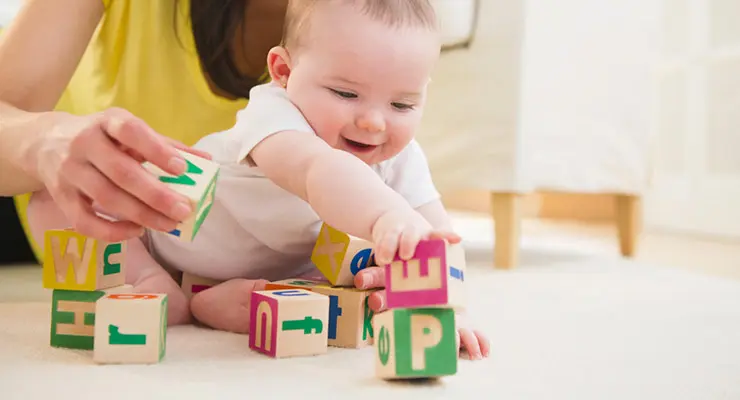
Credit: www.lysol.com
Proper Cleaning Techniques
Cleaning baby toys is important. Babies put toys in their mouths. This makes proper cleaning essential. Safe cleaning keeps toys free from germs. Regular cleaning ensures a healthy play environment for babies. Let's explore the best cleaning techniques for baby toys.
Safe Disinfecting Methods
Many parents wonder about using Lysol on baby toys. Lysol can disinfect toys. First, check the toy's label. Ensure it's safe to use Lysol. Spray Lysol from a distance. Avoid soaking the toy. Wipe the toy with a clean cloth. Let it air dry completely. Always follow the instructions on the Lysol can.
Drying And Storage Tips
Dry toys properly to prevent mold. After cleaning, place toys on a clean towel. Allow them to air dry completely. Sunlight helps kill germs naturally. Store toys in a clean, dry place. Use baskets or bins with holes for airflow. Keep toys off the floor to avoid dust. Regularly check and clean the storage area.
Consulting Experts
Parents often worry about keeping their baby's toys clean and safe. Lysol is a popular disinfectant, but is it safe for toys? Consulting experts can provide clarity. Their guidance ensures the health and safety of your child.
Pediatrician Recommendations
Pediatricians are trusted sources for baby care advice. They advise on safe cleaning practices. Many pediatricians suggest using mild soap and water for toy cleaning. This method avoids exposure to harsh chemicals. Some recommend using disinfectants like Lysol but with caution. They emphasize rinsing toys well after spraying. This step reduces chemical residue.
Environmental Health Advice
Environmental health experts focus on chemical safety. They highlight concerns about potential toxins in disinfectants. Experts suggest reading product labels carefully. Look for disinfectants that are safe for children. Some experts recommend natural cleaning alternatives. Vinegar and baking soda can be effective for cleaning toys. These options minimize exposure to harmful substances.

Credit: www.facebook.com
Parental Experiences
Parents often find themselves in a dilemma. They want to keep their baby's toys clean and safe. Lysol seems like a quick solution. But is it really safe for baby toys? Many parents share their experiences, revealing common practices and concerns.
Common Practices
Some parents spray Lysol on toys regularly. They believe it kills germs effectively. Others opt for gentle cleaning methods. Soap and water remain a popular choice. Some use vinegar for a natural clean. Parents often share tips with each other. They explore various methods to ensure toy safety.
Shared Concerns
Many parents worry about chemicals. They fear residues might harm their baby. Concerns about allergies surface frequently. Some parents notice skin irritation after using Lysol. They become cautious with its usage. These experiences spark discussions among parents. Safety becomes a top priority in these conversations.
Frequently Asked Questions
Can You Use Lysol On Baby Toys Safely?
Yes, you can use Lysol on baby toys, but with caution. Ensure the toys are non-porous and follow the product's instructions. After spraying, let them air dry completely. This ensures the disinfectant is effective and safe for your child. Always rinse the toys with water before giving them back to your baby.
Is Lysol Effective Against Germs On Toys?
Lysol is effective in killing germs on toys, including bacteria and viruses. It disinfects surfaces, reducing the risk of infections. For maximum effectiveness, spray on clean, non-porous toys and allow them to air dry. Always ensure the toys are thoroughly rinsed with water before your child uses them again.
How Often Should I Disinfect Baby Toys?
Disinfect baby toys at least once a week or more frequently if your baby is sick. Regular cleaning prevents germ buildup and ensures a safe play environment. High-touch toys may require more frequent disinfection. Always prioritize your child's health by maintaining a clean play area.
What Precautions Should I Take When Using Lysol?
When using Lysol, ensure the area is well-ventilated. Keep the product out of reach of children and avoid direct contact with skin or eyes. Always read and follow the label instructions for safe and effective use. Rinse toys thoroughly after disinfecting to ensure no residue remains.
Conclusion
Choosing safe cleaning products for baby toys matters. Lysol can be effective, but safety checks are important. Always read labels carefully. Follow instructions for safe use. Ensure toys are completely dry before play. Consider other cleaning methods, like soap and water.
This helps avoid chemical exposure. Regular cleaning keeps toys germ-free. It also protects your baby's health. Parents need to make informed decisions. Safety is the priority. Consult a pediatrician if unsure. Always prioritize your child's well-being. Keeping toys clean doesn't have to be complicated.
Simple steps can make a big difference. Your baby's safety comes first.