



Have you ever wandered down the toy aisle and wondered why some toys are called dolls, while others are labeled action figures? You're not alone.
This curiosity is more common than you think, and understanding the difference can actually enhance your shopping experience, whether for yourself or your loved ones. Imagine picking the perfect toy, knowing exactly why it's the right choice. Understanding the nuances between dolls and action figures can make your decision feel more informed and satisfying.
You might be surprised to learn how these differences impact the play experience and even the emotional connection one might develop with these toys. Unlocking this knowledge could transform not only how you view toys but also how you interact with them. Are you ready to discover what sets dolls apart from action figures? Keep reading, and you'll find the answers that will make you a toy aisle expert.
Origins And History
The fascinating world of dolls and action figures unfolds across centuries. Their origins and histories reveal the evolution of culture and play. While both toy types bring joy, they have different beginnings and purposes.
Early Development Of Dolls
Dolls date back thousands of years. Ancient civilizations crafted dolls from wood, clay, and fabric. Egyptians used dolls for rituals and children's play. Their dolls had wigs and movable limbs. In Greece and Rome, dolls were made of bone and ivory.
During the Middle Ages, dolls became more detailed. Craftsmen used porcelain and wax. These dolls reflected the fashion trends of the time. In the 19th century, mass production started. Dolls became widely available and affordable.
Emergence Of Action Figures
Action figures appeared much later. The term was coined in the 1960s. Hasbro introduced G.I. Joe, the first action figure. Unlike dolls, action figures targeted boys. They featured movable joints and military themes.
Action figures evolved rapidly. Star Wars figures dominated the 1970s and 1980s. Their popularity surged with movie franchises. Collectors and fans cherished these figures. Action figures became a staple in toy collections.
Today, both dolls and action figures hold special places. They reflect cultural shifts and innovations. Their histories tell stories of creativity and imagination.
Credit: www.kaspathar.com
Design And Features
The world of dolls and action figures is fascinating. Each has unique design and features. They capture the imagination of enthusiasts worldwide. Understanding these differences enriches the experience.
Physical Characteristics
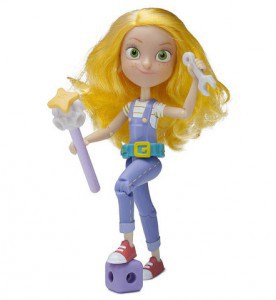
Dolls often have soft and smooth features. They usually depict human or humanoid forms. Their faces have detailed expressions. Hair is often long and stylable. Clothing is realistic and changeable. Action figures, on the other hand, focus on dynamic poses. They often represent heroes or characters from movies. Their designs emphasize muscles and armor. Details reflect power and agility.
Material And Construction
Dolls are commonly made from soft materials. Cloth and vinyl are popular choices. These materials provide a gentle feel. This makes dolls ideal for children. Action figures use sturdy plastics. Harder materials ensure durability. Joints are often flexible for posing. They are designed for dynamic play and display.
Target Audience
Understanding the target audience for dolls and action figures is key to appreciating their distinct roles in the world of toys. Both offer unique experiences and cater to different interests. Knowing who enjoys these toys can help you make better choices when buying them. Let’s dive into who typically gravitates towards dolls and who is drawn to action figures.
Dolls For Children
Dolls often captivate the imagination of young children. They provide a canvas for creativity and role-playing. Children love to dress them up, create stories, and mimic real-life scenarios.
Think of a child playing tea party with their doll. It’s not just play; it’s a way to understand the world. Dolls can be a child’s first introduction to social interactions and empathy.
Parents often choose dolls for their educational value. They can teach basic skills like dressing, grooming, and even emotional expression. Dolls become companions, fostering a sense of care and responsibility.
Action Figures For Collectors
Action figures are often sought after by collectors. They appeal to those who appreciate the craftsmanship and detail in each piece. Collectors enjoy the thrill of finding rare editions and building their collections.
Imagine walking into a room lined with neatly displayed action figures. Each one tells a story, a piece of history from a favorite movie or comic book. Collectors find joy in preserving these narratives.
Action figures can also serve as a bridge to nostalgia. Adults might recall childhood memories or connect with their favorite characters from the past. They’re more than just toys; they’re pieces of culture that hold sentimental value.
So, what makes you lean towards one or the other? Is it the joy of storytelling with dolls, or the excitement of collecting action figures? Both have their charms, and understanding your preference can lead to a deeper appreciation of these beloved toys.

Credit: www.ebay.com
Cultural Impact
Dolls often symbolize nurturing and familial roles, while action figures inspire adventure and heroism. Both toys influence children's imagination and storytelling. Understanding their cultural impact highlights differences in gender norms and play patterns.
Cultural Impact Dolls and action figures have shaped cultures worldwide, reflecting and influencing societal norms and values. They are more than just toys; they are artifacts that mirror our worldviews and aspirations. Understanding their cultural impact can shed light on how they contribute to our identities and perceptions.
Representation In Media
Dolls often portray traditional roles, echoing societal expectations. Think of Barbie and her evolution from a fashion model to various professional roles, which reflects changing views on women's capabilities. In contrast, action figures like G.I. Joe or superheroes often represent adventure and heroism. They offer narratives where ordinary individuals can achieve the extraordinary. How do these representations affect your views on gender roles and abilities? Media can shape our perspectives, and these toys often serve as an extension of that influence.
Influence On Popular Culture
Dolls and action figures have left an indelible mark on popular culture. They inspire movies, cartoons, and even fashion trends. Barbie has been a fashion icon, influencing style and trends for decades. Action figures have inspired blockbuster franchises like Marvel and Star Wars, captivating audiences across generations. They provide a sense of nostalgia and continuity in a rapidly changing world. Have you noticed how these toys bridge generations, creating shared experiences? They are more than mere playthings; they are cultural touchstones that connect us to our past and future.
Market And Industry Trends
Dolls and action figures have distinct characteristics. Dolls often represent human figures and focus on fashion or nurturing play. Action figures are typically modeled after characters from films or comic books, emphasizing action and adventure. Each caters to different interests and play styles, appealing to diverse audiences.
Understanding the market and industry trends of dolls and action figures can provide valuable insights into consumer behavior and future growth opportunities. While both dolls and action figures are popular playthings, their market dynamics differ significantly. These differences affect sales, target demographics, and how companies innovate to meet consumer demands.
Current Sales And Demographics
Dolls and action figures have distinct markets. Dolls, traditionally marketed towards young girls, have expanded to include a diverse audience. Brands like Barbie are now embracing inclusivity with dolls of different ethnicities and body types. Action figures, on the other hand, often target young boys and adult collectors. The success of franchises like Star Wars and Marvel has driven the demand. Collectors often seek limited edition figures, fueling a robust secondary market. Who buys these toys in your household? Understanding purchasing patterns can highlight how cultural shifts influence toy trends.
Future Directions And Innovations
The future of dolls and action figures is intertwined with technology and storytelling. Companies are integrating augmented reality and app-based interactions to engage tech-savvy kids. Sustainability is another growing trend. Manufacturers are exploring eco-friendly materials and packaging to meet consumer demand for greener products. What innovations would excite you or your kids? As companies strive to stay relevant, their ability to adapt to changing consumer preferences will shape the industry landscape. Engaging with these market trends not only helps you make informed buying decisions but also connects you with a broader community of enthusiasts. Whether you're a parent shopping for a child's birthday or a collector hunting for the next prized figure, knowing these trends can enhance your experience.
Collectability And Value
Understanding the collectability and value of dolls and action figures can be fascinating. These cherished items often hold more than just playtime memories. They can also be valuable collectibles. Understanding what makes them collectible can be crucial for enthusiasts and investors alike.
Factors Influencing Collectability
Rarity plays a significant role in collectability. Limited edition releases or discontinued models often increase value. The condition of the item is another important factor. Mint condition dolls or action figures can fetch higher prices. Original packaging can also boost collectability. Collectors often seek items with intact boxes and accessories. Age can enhance value. Older models might be more desirable due to nostalgia or scarcity. Brand reputation influences collectability, too. Well-known brands often maintain higher market value.
Notable Examples And Market Value
Barbie dolls are iconic in the world of collectables. Vintage Barbies, especially from the 1960s, can be quite valuable. A 1959 Barbie sold for over $20,000. G.I. Joe action figures also hold significant market value. The original 1964 G.I. Joe can fetch thousands. Star Wars figures are famous for high collectability. A 1978 Luke Skywalker figure once sold for $25,000. These examples show how dolls and action figures can appreciate over time.
Role In Child Development
Dolls and action figures play crucial roles in child development. They are more than just toys. They help shape social skills and creativity. Children learn by imitating what they see around them. These toys are tools for learning. They offer a safe space for children to explore roles and emotions. Understanding their differences can help parents choose wisely.
Imaginative Play Benefits
Imaginative play with dolls and action figures boosts creativity. Children create stories and scenarios. This helps them develop problem-solving skills. They learn to express feelings and understand others. Dolls often represent real-life people. They teach nurturing and empathy. Action figures often portray heroes. They inspire bravery and adventure. Both types of toys have unique benefits.
Gender Norms And Stereotypes
Dolls and action figures highlight gender norms. Dolls are often marketed to girls. They emphasize nurturing roles. Action figures, aimed at boys, stress strength and action. These stereotypes can limit children. They can shape how children see themselves. Encouraging play with both types can break these norms. It supports a balanced view of gender roles. It helps children develop diverse skills.

Credit: oda141teamroom.wordpress.com
Customization And Personalization
Customization and personalization make dolls and action figures unique. These features allow enthusiasts to create characters that reflect their imagination. Both dolls and action figures offer endless possibilities for creativity. Let's explore how customization and personalization differ between these two beloved toys.
Custom Dolls And Accessories
Custom dolls offer a blank canvas for artistic expression. People can change their hair, makeup, and clothing styles. Many enjoy creating unique outfits or hairstyles. Accessories like shoes, bags, and jewelry add more personal touches. Some collectors even create miniature scenes with furniture and backgrounds. This level of detail can bring a doll's world to life. The possibilities are endless with custom dolls.
Action Figure Modifications
Action figures often come with fewer customization options. But fans find ways to make them special. Painting is a popular modification method for action figures. It allows enthusiasts to alter colors or add details. Some fans swap heads, arms, or legs to create hybrid characters. This process is known as "kitbashing." Accessories like weapons or gear can also be added. Modifications breathe new life into action figures.
Environmental Considerations
When comparing dolls and action figures, environmental considerations are crucial. These toys impact the planet in various ways. Understanding the sustainability and disposal of these toys can guide eco-friendly choices. By exploring their production and end-of-life processes, we can make informed decisions.
Sustainability In Production
Manufacturers use different materials for dolls and action figures. Dolls often contain fabrics, rubber, and plastics. Action figures mainly use plastics and metals. Sustainable production minimizes environmental harm. Some companies now opt for recycled materials. Others prioritize renewable resources. These efforts reduce carbon footprints and conserve resources.
Recycling And Disposal
Disposal practices impact the environment significantly. Dolls with mixed materials pose recycling challenges. Action figures, mostly plastic, can be easier to recycle. Yet, many end up in landfills. Responsible disposal involves checking local recycling programs. Some brands offer take-back schemes. These initiatives promote toy recycling. Proper disposal helps reduce waste and protect the earth.
Frequently Asked Questions
What Defines A Doll Compared To An Action Figure?
Dolls are typically crafted to resemble human beings, often used for role-play scenarios. They usually have fabric clothing and rooted hair. Action figures, on the other hand, are designed for displaying and recreating character-specific actions, often representing superheroes or characters from movies, with articulated joints and detailed features.
Are Dolls And Action Figures Meant For Different Age Groups?
Dolls are generally targeted at younger children, promoting imaginative play and nurturing skills. Action figures are often marketed to older children and collectors. They cater to interests in specific characters or franchises. However, both can be enjoyed by a wide range of ages, depending on individual interests.
Do Dolls Have More Accessories Than Action Figures?
Dolls typically come with a variety of accessories such as clothes, shoes, and furniture. These items enhance role-playing experiences. Action figures may include fewer accessories, focusing more on weapons and character-specific gear. Their accessories are often intended to complement action-driven scenarios rather than daily-life simulations.
Are Dolls And Action Figures Made From Different Materials?
Dolls are often made from soft materials like cloth or vinyl for realism and flexibility. They may have rooted hair. Action figures are usually made from durable plastic, designed to withstand action play. Their construction allows for detailed designs and articulation, suitable for posing and display.
Conclusion
Dolls and action figures hold unique places in our hearts. Dolls often reflect human features. They can be soft and cuddly. Action figures are usually modeled after heroes or characters. They boast detailed costumes and accessories. Both spark imagination and playtime adventures.
Kids choose based on their interests. Some prefer the gentle touch of dolls. Others seek the excitement of action figures. Exploring these toys helps understand their appeal. Each offers a different kind of fun. Choosing between them depends on personal taste.
Both bring joy and creativity to young minds.


