
Have you ever wondered if the toys your baby loves so much are truly clean? As a parent, you know the importance of keeping your little one's environment safe and healthy.
Babies explore the world with their hands and mouths, making it crucial to ensure their toys are free from germs and dirt. The good news is that a simple solution—soap and water—can do wonders. But are you using the right technique?
Are you sure you're getting into every nook and cranny? Let's dive into the best way to clean baby toys with soap and water, so you can have peace of mind knowing your baby is playing in a hygienic space. Keep reading to discover tips that will make cleaning not just effective, but also easy and stress-free.
Why Clean Baby Toys
Keeping baby toys clean is essential for the health and safety of your little one. These toys are the center of your baby's world, and they often end up in their mouth. While you might wipe off visible dirt, germs are invisible and can linger if not properly cleaned. Regular cleaning with soap and water can help keep these germs at bay. Let’s explore why cleaning baby toys is crucial for your baby's wellbeing.
Why Clean Baby Toys?
Children are naturally curious and love to explore with their hands and mouths. Toys are one of the main things babies interact with daily, making them a hotspot for germs. Imagine your baby crawling around and grabbing toys from the floor. Not only do these toys collect dust, but they can also harbor bacteria and viruses.
Cleaning toys regularly helps prevent the spread of illnesses. You might think your home is clean, but germs can come from anywhere—visitors, pets, or even the air. By regularly cleaning toys, you reduce the chances of your baby falling sick.
Have you ever noticed your baby chewing on toys while teething? They find relief in gnawing on anything they can get their hands on. This means toys can quickly get covered in saliva, which can be a breeding ground for germs. Regular cleaning ensures these teething toys remain safe for your baby.
How Often Should You Clean Baby Toys?
Frequency depends on how often the toys are used and their exposure to dirt. Toys that your baby uses every day should be cleaned weekly. If your baby has been sick, clean the toys immediately to prevent further spread of germs.
Outdoor toys or those dropped on the floor should be cleaned right away. You don't have to stress about cleaning every single toy daily, but maintain a routine that suits your lifestyle and keeps germs at bay.
What Soap Should You Use?
Use mild soap that’s safe for babies. Regular dish soap can be effective, but ensure it's free from harsh chemicals. You can also use baby-specific soap, which is gentle on delicate skin.
Mix a small amount of soap with warm water and gently clean the toys. Rinse thoroughly to avoid leaving any soap residue, which could irritate your baby's skin.
Do you have any personal tips for cleaning baby toys? Share your experiences in the comments below. Your insights could be invaluable to other parents navigating the toy-cleaning journey!
Choosing The Right Soap
Selecting the right soap ensures safe cleaning of baby toys. Mild soap with water effectively removes dirt and germs. Ensure the soap is free from harsh chemicals to protect your baby's sensitive skin.
Choosing the right soap is crucial when cleaning baby toys with soap and water. You want to ensure that the soap is effective at removing dirt and germs, yet gentle enough for your baby's delicate skin. So, how do you find the perfect balance?
Gentle And Fragrance-free Options
When selecting a soap, look for gentle, fragrance-free options. These are less likely to irritate your baby's skin or cause allergic reactions. Imagine using a soap that smells delightful to you but causes your baby discomfort. That's something you'd want to avoid, right? Check the label for terms like "hypoallergenic" and "dermatologist-tested." These indicators suggest the soap is safe for sensitive skin. A mild dish soap can be a good choice, but always rinse toys thoroughly to remove any soap residue.
Avoiding Harmful Chemicals
Not all soaps are created equal. Some contain harmful chemicals that could pose a risk to your baby. Avoid soaps with ingredients like parabens, phthalates, and sulfates. Have you ever checked the ingredient list on a soap bottle and wondered what those long, complex words mean? It's worth a few extra minutes to research them online. Opt for soaps with simple, natural ingredients. Even if it takes a bit more effort to find these products, your baby's safety is worth it. Choosing the right soap is about more than just cleanliness; it's about peace of mind for you and comfort for your baby.
Proper Water Temperature
Warm water is ideal for cleaning baby toys with soap. It helps remove germs and dirt effectively. Avoid using hot water to prevent damage.
Cleaning baby toys with soap and water is essential for maintaining a healthy environment for your little one. But have you ever wondered about the best water temperature to use? Proper water temperature can make a big difference in the effectiveness of cleaning. Using the right temperature not only ensures cleanliness but also helps maintain the quality of the toys. Let's dive into why this matters.
Warm Water Benefits
Warm water is your ally when cleaning baby toys. It helps dissolve soap better, ensuring a thorough clean. Warm water can effectively break down grime and dirt that might be stuck to toys. Have you ever tried washing dishes in cold water? It's not quite as effective, right? The same principle applies here. Using warm water can make your cleaning efforts more successful. Warm water is also gentle on your hands. If you've ever scrubbed toys in cold water, you know how uncomfortable it can be. Warm water keeps your hands happy while you clean.
Avoiding Hot Water Risks
While warm water is great, hot water can be risky. It might seem like a good idea to use very hot water for an extra clean, but it can be damaging. Hot water can warp or damage certain toy materials. Imagine your child’s favorite toy losing its shape or color because of too-hot water. Not ideal, right? Hot water can also be harsh on your skin. If you’ve accidentally touched scalding water, you know it can be painful. It's always best to stick to a safer, warm temperature. Are you mindful of the water temperature when cleaning your baby’s toys? The right temperature can make a world of difference, keeping toys both clean and safe.
Cleaning Techniques
Cleaning baby toys with soap and water keeps them safe. Simply mix mild soap and warm water in a bowl. Gently scrub each toy to remove dirt and germs.
Cleaning baby toys is essential for maintaining a safe environment for your little one. With their curious nature, babies tend to explore everything with their hands and mouths, making toy cleanliness a priority. The good news is, you don’t need fancy cleaning agents to keep those toys sparkling clean. Soap and water are effective and safe for most toys. But how do you ensure they’re thoroughly cleaned? Let's explore some simple yet effective cleaning techniques.
Soaking And Scrubbing
Start by soaking the toys in a mixture of warm water and mild soap. This method works wonders on plastic and rubber toys. You might be surprised at how much grime collects in those little crevices! Allow them to soak for a few minutes to loosen any stuck-on dirt. You can even use this time to play a fun game with your baby, like counting the toys or naming their colors. Once soaked, scrub each toy gently with a sponge or cloth. This helps remove any stubborn residue. Remember that persistent stains might need a little extra scrubbing, so don’t hesitate to apply a bit more pressure.
Using A Soft Brush
For toys with intricate designs or textured surfaces, a soft brush can be your best friend. It reaches those hard-to-clean spots that a sponge might miss. Choose a brush with soft bristles to avoid scratching the toy's surface. An old toothbrush works perfectly and can be repurposed for this task. Gently brush along the grooves and edges. This ensures that no hidden dirt remains, especially in toys like building blocks or toy cars. But here’s a thought: What if you made it a fun family activity? You could create a 'toy cleaning day' where everyone pitches in, even the little ones! It’s a great way to bond and teach your child the importance of cleanliness. These cleaning techniques don’t just keep toys clean—they also ensure your baby’s safety. By using soap and water, you’re making a conscious choice to avoid harsh chemicals. Do you have any unique cleaning hacks that have worked for you and your baby’s toys? Share your insights!
Drying Toys Safely
Ensuring baby toys are safe involves cleaning them with soap and water. Rinse thoroughly to remove any soap residue. Allow toys to air dry completely to prevent mold growth.
Drying toys safely is an essential step after cleaning them. Moisture can lead to mold and bacteria. Proper drying ensures toys stay hygienic and safe for play. Using the right methods keeps toys in good condition. This section explores safe drying techniques.
Air Drying Methods
Air drying is a gentle way to dry toys. It prevents damage from heat. Spread toys out on a clean towel. Ensure air circulates around them. This helps moisture evaporate. Avoid stacking toys. It slows down drying. Shaking toys can speed up the process. It removes excess water. Use a fan for faster drying. Point it towards the toys for airflow. This method is safe for most toys.
Avoiding Direct Sunlight
Direct sunlight can harm toy materials. It fades colors and weakens plastic. Choose a shaded area for drying. Indoors is best to avoid sunlight exposure. Sunlight can cause overheating. It damages toy integrity. Check toys regularly while drying. Ensure they are safe from sunlight. Move toys as needed. Protect the toys from heat and light. Keep them out of direct sun. It maintains their quality and safety.

Credit: www.amazon.com
Frequency Of Cleaning
Understanding how often to clean baby toys is important. This keeps them safe and germ-free. Babies love to explore toys with their mouths and hands. Regular cleaning prevents the spread of germs and bacteria. Different toys need different cleaning frequencies. Let's look at how often to clean daily use and occasional use toys.
Daily Use Toys
Daily use toys are those your baby plays with every day. These toys get dirty quickly. Clean these toys with soap and water daily. This ensures they stay free of harmful bacteria. Soft plush toys can be washed weekly. Hard toys, like plastic, need daily attention. Pay extra attention to toys that touch the mouth.
Occasional Use Toys
Occasional use toys are not used every day. These toys can be cleaned less often. Cleaning them once a week is usually enough. If they look dirty, clean them sooner. Check for dust, dirt, or sticky spots. Even if rarely used, they can collect germs. Keep them fresh and ready for play by regular checks.
Identifying Non-washable Toys
Keeping baby toys clean is essential for your child's health. While many toys can be easily washed with soap and water, some require a different approach. Identifying non-washable toys ensures you don't damage them while maintaining cleanliness.
Electronic Toys
Electronic toys are often a big hit with little ones, offering lights, sounds, and interactive features. However, they present a unique challenge when cleaning. Submerging them in water can ruin their circuitry, leading to a non-functional toy.
Instead, use a damp cloth to wipe the surface gently. Avoid using excessive water or cleaning solutions. It's a good idea to check the manufacturer's instructions for specific cleaning advice, ensuring you keep the toy safe and functional.
Have you ever tried cleaning an electronic toy only to find it didn't work afterward? That moment teaches the importance of proper cleaning methods. Consider using a disinfectant wipe for those stubborn spots, but make sure it's safe for electronics.
Wooden Toys
Wooden toys have a timeless charm and are often more durable than their plastic counterparts. Yet, they require special care when cleaning. Soaking wooden toys in water can cause them to warp or crack.
To clean wooden toys, use a damp cloth and mild soap. Wipe the toy's surface and dry it immediately with a clean towel. Regular cleaning prevents build-up without compromising the toy's integrity.
Have you noticed any wooden toys in your child's collection that need a little TLC? A gentle cleaning routine keeps these classic toys looking great and safe for play. Always ensure they're completely dry before letting your child play with them again.
By identifying non-washable toys, you protect your child's toys and ensure they remain enjoyable for years. How do you plan to adjust your cleaning routine with this information?
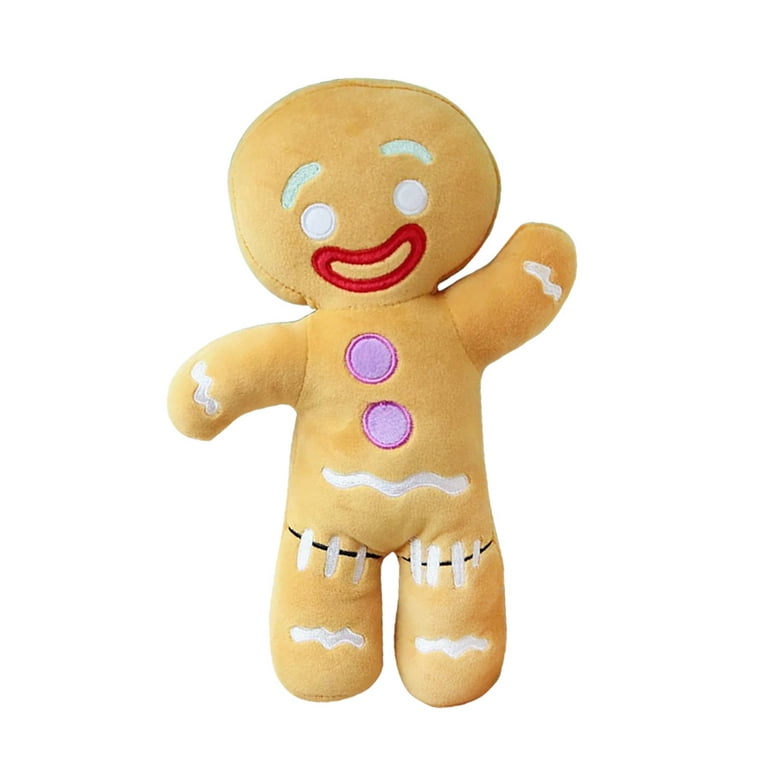
Credit: www.walmart.com
Safe Storage Tips
Cleaning baby toys with soap and water ensures safety. Use mild soap and warm water to scrub toys gently. Rinse thoroughly and let them dry completely to prevent mold.
Safe storage of baby toys is essential. It keeps them clean and ready for play. After washing toys with soap and water, storing them properly is crucial. Proper storage prevents dirt and bacteria buildup. It also extends the life of the toys. Here are some tips for safe storage.
Keeping Toys Dry
Ensure toys are completely dry before storing. Wet toys can grow mold and bacteria. Use a towel to dry toys immediately after washing. Air drying is also effective for some toys. Check for hidden moisture in crevices. This helps maintain a healthy play environment.
Organizing In Clean Spaces
Choose clean areas for toy storage. Avoid damp or dirty places. Use shelves or bins that are easy to clean. This makes organizing simple and efficient. Rotate toys regularly to ensure all are used. This prevents dust accumulation on rarely used toys. A clean storage space keeps toys safe and inviting for play.

Credit: www.maids.com
Frequently Asked Questions
Can You Clean Baby Toys With Soap And Water?
Yes, you can clean most baby toys with soap and water. Use mild dish soap and warm water. Gently scrub the toys, rinse thoroughly, and allow them to air dry. This method is effective for removing dirt and germs, keeping your baby's toys safe and clean.
How Often Should Baby Toys Be Cleaned?
Clean baby toys at least once a week to maintain hygiene. If your child is sick, increase the frequency. Regular cleaning prevents the buildup of germs and bacteria, ensuring a safer play environment. Always follow the manufacturer's instructions for specific cleaning guidelines.
Is It Safe To Submerge All Toys In Water?
No, not all toys should be submerged in water. Electronic toys and those with batteries can get damaged. For these toys, use a damp cloth and mild soap to wipe them clean. Always check the manufacturer's cleaning instructions before washing any toy.
What Soap Is Best For Cleaning Baby Toys?
Use mild, fragrance-free dish soap for cleaning baby toys. This type of soap is gentle on toys and safe for babies. It effectively removes dirt and germs without leaving harmful residues. Always rinse toys thoroughly to ensure no soap is left behind.
Conclusion
Keeping baby toys clean is important for health. Soap and water work well. They remove dirt and germs. Safe for most toys. Easy to use and find. Regular cleaning prevents illness. Babies are safer when toys are clean. Parents feel better knowing toys are germ-free.
Clean toys help babies play safely. It takes little time. A routine can make it simple. Choose gentle soap. Rinse toys well. Dry them completely. Clean toys bring peace of mind. Make it a habit. Ensure your baby’s toys are always ready for play.