
As a parent, you always want the best for your baby. You might find yourself questioning every little decision, even when it comes to your baby's crib.
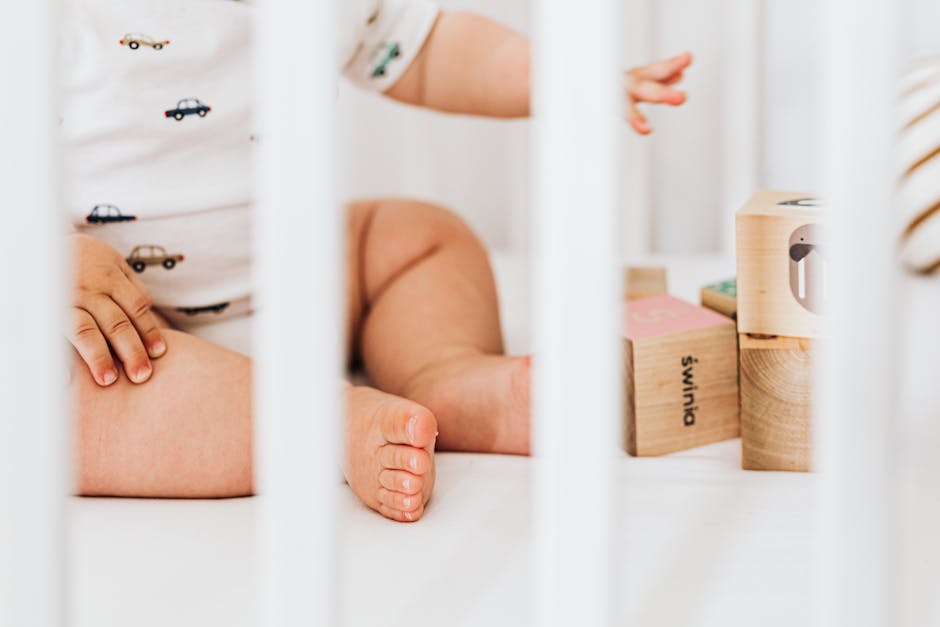
The question of whether your baby should have toys in their crib is a common one, and it's not as straightforward as it seems. You might wonder if toys provide comfort or pose a risk. The answer could influence your baby's safety and sleep quality.
We'll explore the pros and cons to help you make the best choice for your little one. Keep reading to discover the surprising truths about toys in the crib and how they can affect your baby's development and well-being.
Risks Of Toys In The Crib
Toys in a crib might seem harmless. Babies love them. They keep little ones entertained. Yet, there are hidden risks involved. Parents must be aware of these dangers. Toys can pose serious threats to a baby’s safety. Understanding these risks helps keep your baby safe. Let's explore the dangers toys can pose in a crib.
Suffocation Hazards
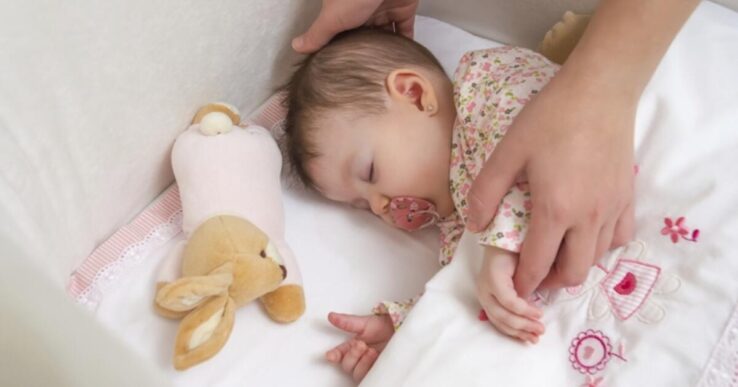
Soft toys can be a suffocation risk. Babies cannot move away if a toy covers their face. Their movements are limited. This is especially true for plush toys and blankets. They can block a baby's airway. Experts recommend avoiding soft items in a crib. This simple step reduces suffocation risks.
Strangulation Risks
Some toys have strings or cords. These can wrap around a baby's neck. The risk of strangulation is high with such toys. Crib toys should be free from strings. It’s a small detail. But it’s crucial for a baby's safety. Always inspect toys for any cords.
Choking Dangers
Small parts can pose a choking hazard. Toys with detachable pieces are risky. Babies explore with their mouths. They can easily swallow small parts. This can lead to choking. Choosing toys without small parts reduces this risk. Always check toy labels for age-appropriate recommendations.
Age-appropriate Toy Guidelines
Choosing the right toys for your baby's crib is important. Safety and development should guide your decisions. Babies explore their world through touch and sound. Toys can enhance this experience. But, each age group has different needs and safety concerns.
Infants And Newborns
Newborns see best in black and white. Soft, cuddly toys in these colors can be soothing. Avoid toys with small parts. They can be a choking hazard. Crib mobiles with gentle music can also be comforting. Ensure they are securely attached. Keep the crib clutter-free for safety.
Babies 3 To 6 Months
At this age, babies begin to grasp and shake objects. Rattles and soft squeeze toys work well. Bright colors capture their attention. Choose toys that are easy to wash. Babies explore with their mouths. Ensure toys are non-toxic. Textured toys stimulate their senses. Keep safety in mind always.
Older Babies 6 To 12 Months
Older babies enjoy interactive toys. Simple puzzles and stacking rings can be engaging. These toys encourage problem-solving skills. Choose toys that make sounds or have moving parts. Ensure they are sturdy and safe. Avoid toys with strings or cords. They pose a strangulation risk. Always supervise playtime.
Safe Toy Selection Criteria
Babies should not have toys in their cribs for safety reasons. Toys can pose choking hazards or suffocation risks. Keep the crib free from toys to ensure safe sleep.
Choosing the right toys for your baby's crib can be a daunting task. You want something that keeps them engaged but also ensures their safety. By understanding the safe toy selection criteria, you can make informed choices that balance fun and safety.
Material And Durability
When selecting toys for your baby's crib, prioritize material and durability. Babies are naturally curious and tend to explore their environment by chewing and pulling on things. Opt for toys made from sturdy, high-quality materials that can withstand these actions without breaking or posing a choking hazard. Look for products with strong seams and avoid those with small parts that could detach easily. Consider your own experiences—perhaps you once bought a toy that fell apart too quickly, leading to a messy crib and a disappointed baby. Invest in toys that promise long-term use and peace of mind.
Size And Shape Considerations
Size and shape matter significantly when it comes to crib toys. Choose toys that are large enough so they can't be swallowed but small enough to be safely maneuvered by your baby. A simple test is to ensure that the toy doesn't fit through a toilet paper roll, which mimics the size of a baby's throat. Toys with rounded edges are preferable as they reduce the risk of injury. Reflect on a time you might have seen a baby struggle with an awkwardly shaped toy. Wouldn't it be better to choose something easy for tiny hands to grasp and enjoy?
Non-toxic And Hypoallergenic Options
It's essential to select toys that are non-toxic and hypoallergenic, especially as babies love to put things in their mouths. Check labels for certifications that indicate the toy is free from harmful chemicals like BPA, phthalates, and lead. Consider if your baby has shown any skin sensitivities or allergies. Would you want them exposed to materials that might aggravate these conditions? Opt for toys made from natural materials like wood or organic cotton, which are gentle on sensitive skin and safe for mouthing. Choosing toys for the crib isn't just about entertainment; it's about ensuring your baby's safety and comfort. What criteria do you use when selecting toys?
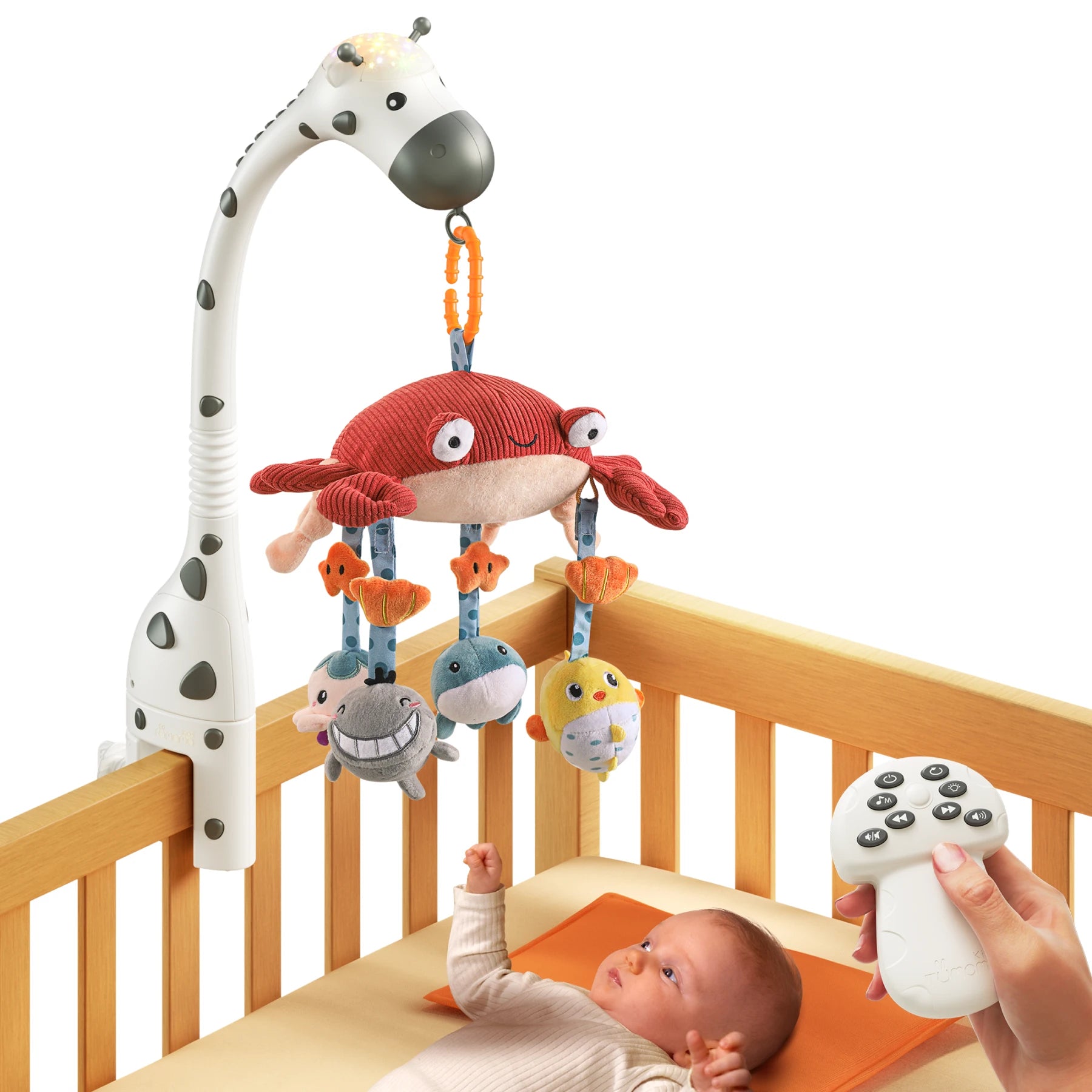
Credit: tumama-kids.com
Alternatives To Toys In The Crib
Parents often wonder if toys are safe in a baby's crib. Safety is the top concern. While toys can entertain, they might pose risks during sleep. Exploring alternatives ensures a safer sleep environment for your little one. Let's discuss a few options to consider.
Safe Sleep Environment
A safe sleep environment is crucial for a baby. Remove toys and soft items from the crib. This reduces the risk of suffocation or choking. Use a firm mattress with a fitted sheet. Keep the crib free from blankets and pillows. A sleep sack can keep your baby warm without loose bedding. Position the crib away from curtains or cords. These steps create a safer space for sleep.
Interactive Play Outside The Crib
Interactive play can happen outside the crib. A play mat on the floor is a good start. It offers a safe space for exploration. Use colorful and soft toys for stimulation. Playtime with parents or caregivers enhances bonding. Encourage movement with baby-safe mirrors or rattles. This supports physical and cognitive development. Provide age-appropriate toys for engagement. Supervised play ensures safety during fun activities.
Parental Supervision And Monitoring
Parental supervision and monitoring are vital for a baby's safety. As parents, understanding the importance of overseeing your little one's environment is crucial. Babies are naturally curious and their crib is a place of exploration. Ensuring they are safe during sleep and play is a priority.
Using Baby Monitors
Baby monitors are essential tools for supervision. They provide a way to keep an eye on your baby from another room. This technology offers peace of mind, allowing parents to detect unusual sounds or movements. Video monitors give visual confirmation of your baby's safety. Audio monitors alert you to noises that might indicate discomfort or danger. Choosing a reliable baby monitor enhances parental supervision.
Regular Check-ins
Frequent check-ins ensure your baby's safety. Physically visiting the crib at intervals helps monitor their surroundings. This practice allows parents to adjust toys and blankets as needed. Quick checks confirm your baby is comfortable and secure. Regularly assessing their environment minimizes risks and ensures peace of mind.
Credit: healthyhappysleep.com
Signs Of Unsafe Toy Use
Choosing toys for your baby's crib requires careful thought. Safety is a top priority. Some toys can pose risks if not selected properly. Recognizing signs of unsafe toy use can help protect your baby. Understanding these signs ensures your baby stays safe and comfortable.
Difficulty Breathing
If your baby struggles to breathe, toys might be the cause. Toys with small parts can block airways. Soft toys or stuffed animals can also restrict breathing. Ensure toys are appropriate for your baby's age. Always remove any toy that seems to cause discomfort.
Visible Damage To Toys
Check toys regularly for signs of wear and tear. Damaged toys can be dangerous. Broken parts can lead to choking hazards. Sharp edges might hurt your baby. Replace damaged toys immediately. Keeping toys in good condition is crucial for safety.

Credit: www.amazon.com
Frequently Asked Questions
Is It Safe For Babies To Have Toys In Cribs?
It's generally not recommended for babies under 12 months to have toys in their cribs. Toys can pose suffocation and strangulation hazards. It's best to keep the crib free of toys, pillows, and blankets to ensure a safe sleep environment for your baby.
What Types Of Toys Are Safe In Cribs?
Soft, small, and lightweight toys with no detachable parts are safer. However, it's crucial to ensure there are no choking hazards. It's still advisable to avoid placing any toys in the crib while the baby is sleeping to minimize risks.
Do Toys Help Babies Sleep Better In Cribs?
Toys can sometimes provide comfort, but they may also distract from sleep. A simple, soothing object like a pacifier might help. Always prioritize a safe and distraction-free sleep environment for better rest.
How Can Toys Affect A Baby's Sleep?
Toys can overstimulate a baby, affecting their ability to fall asleep. Bright colors and sounds might keep them awake. It's best to keep the crib as a calm and quiet space to promote restful sleep.
Conclusion
Choosing toys for your baby's crib requires careful thought. Safety is crucial. Small parts can be a choking hazard. Soft toys can block airways. Keep the crib simple. A simple crib helps peaceful sleep. Toys can be played with elsewhere.
Babies need restful sleep for growth. A peaceful crib aids this. Parents can balance playtime and sleep. Consider your baby's comfort and safety. Trust your instincts. Every baby is unique. So, make choices that suit your baby’s needs. Safe choices bring peace of mind.
Your baby’s safety comes first. Always.