
Are you looking for a creative and rewarding way to engage with your little one? Making felt toys for babies might just be the perfect project for you.
These soft and colorful toys are not only safe but also stimulate your baby's senses and encourage early development. Imagine the joy on your baby's face as they explore the vibrant colors and textures of a toy you crafted with love.
In this guide, you'll discover simple steps to create adorable felt toys that will capture your baby's attention and spark their imagination. Get ready to transform simple felt into delightful companions for your little one, and keep reading to unlock the secrets of crafting toys that will become cherished keepsakes.
Materials Needed
Creating felt toys for babies requires basic materials. Gather colorful felt sheets, scissors, needle, thread, and stuffing. Use patterns or templates for shapes. Ensure tools are safe and easy to handle.
Creating felt toys for babies is a delightful and rewarding craft that offers endless possibilities for creativity. Before you start designing these soft and colorful toys, it's essential to gather all the necessary materials. Having the right tools and supplies on hand will not only make the process smoother but also ensure your creations are safe and durable for little hands. Let's dive into the materials you need to get started on this fun project.
Felt Fabric
Felt is the star of this craft! Choose high-quality, non-toxic felt that’s safe for babies. Opt for a variety of colors to make your toys visually appealing. Wool or wool-blend felt is often preferred for its softness and durability.
Scissors
Invest in a good pair of sharp scissors designed for cutting fabric. This makes it easier to cut intricate shapes and ensures clean edges. Dull scissors can lead to frayed felt, which isn't ideal for baby toys.
Needle And Thread
A simple sewing kit with needles and colorful threads is essential. Hand stitching gives toys a personal touch, and the thread can be used to add details or securely sew pieces together. For beginners, start with basic stitch patterns like the running stitch.
Stuffing Material
Polyester fiberfill is a popular choice for stuffing felt toys. It’s soft, hypoallergenic, and easy to work with. Ensure the stuffing is evenly distributed to maintain the toy’s shape and provide a nice texture for babies to squeeze.
Embroidery Floss
Adding details like eyes, noses, or decorative stitches can bring your felt toys to life. Embroidery floss comes in a vast array of colors, allowing you to add charming features that will captivate a baby’s attention.
Fabric Glue
For those who prefer not to sew, fabric glue can be a lifesaver. It’s perfect for attaching small felt pieces securely. However, ensure it’s non-toxic and fully dried before giving the toy to a baby.
Templates
Using templates can simplify the cutting process and ensure consistency in your designs. You can find many free templates online or create your own. Templates are especially useful if you plan to make multiple toys with similar shapes. As you gather these materials, think about the unique toys you can create. Imagine the joy on a baby's face when they see a colorful felt animal or soft, squishy shapes made just for them. What kind of toys will you make today?
Choosing The Right Felt
Selecting the perfect felt ensures safe and colorful toys for babies. Choose soft, non-toxic materials for gentle play. Bright colors and varied textures stimulate senses, making playtime fun and educational.
Choosing the right felt is a crucial step in creating delightful felt toys for babies. The material you choose can make a big difference in the toy's safety, durability, and overall appeal. Felt comes in various types, and knowing which one to select can set the foundation for a successful crafting experience.
Understanding Different Types Of Felt
Felt is available in wool, synthetic, and blended varieties. Wool felt is soft, durable, and offers a natural feel, making it a popular choice for baby toys. Synthetic felt, often made from acrylic or polyester, is more affordable and comes in a wider range of colors. Blended felt combines qualities of both, offering a balance between cost and texture.
Why Choose Wool Felt?
Wool felt is prized for its softness and quality. It’s less likely to pill or fray, ensuring your toys look great even after extended play. Babies love the gentle texture, and as a parent, you’ll appreciate its natural and non-toxic properties. Have you ever felt the difference between wool and synthetic felt? It’s noticeable and can impact the toy's overall feel.
Considering Color And Thickness
Color and thickness are essential aspects to think about when selecting felt. Bright colors attract babies and stimulate their senses, but ensure they’re non-toxic. The thickness of the felt influences the toy’s structure; thicker felt is more robust, while thinner felt works well for intricate details. Have you considered what colors would captivate a baby’s attention?
Checking For Safety
Safety is paramount when creating toys for babies. Ensure the felt is free from harmful chemicals and dyes. Look for labels indicating it’s safe for children. Have you checked the safety standards of the felt you plan to use? It’s always better to be safe than sorry.
Making An Eco-friendly Choice
If sustainability matters to you, opt for eco-friendly felt. Many wool felts are biodegradable and come from renewable resources. Making this choice can reduce your environmental footprint and provide a safer play environment for your baby.
Practical Tips For Buying Felt
When shopping for felt, consider buying a small sample first to test its quality and suitability for your project. Online stores often offer swatches, making it easier to choose without committing to a large purchase. Always read reviews to understand others’ experiences with the material. Choosing the right felt can significantly impact your felt toy project. Have you gathered all the details to make an informed decision? Remember, the right material will not only enhance the toy’s quality but also ensure your baby’s safety and joy.
Essential Tools
Creating felt toys for babies is a rewarding experience. To start, you need some essential tools. These tools make the crafting process smooth and enjoyable. Having the right tools can also ensure the safety and durability of the toys. Let's dive into the must-have tools for making felt toys.
Scissors
Sharp scissors are crucial for cutting felt. They help achieve clean, precise edges. Invest in a pair meant for fabric. This ensures they stay sharp over time. Avoid using them on paper to maintain their edge.
Needles
Choose needles suited for felt. Thicker needles work best. They glide through the material easily. Look for embroidery needles with large eyes. This helps with threading thicker threads.
Thread
Use strong, colorful thread for stitching. Embroidery thread is a good choice. It adds a decorative touch. It also holds the felt pieces securely together.
Pins
Pins help hold pieces in place while sewing. They ensure accuracy in your designs. Opt for pins with large, colorful heads. This makes them easy to spot and remove.
Fabric Glue
Fabric glue can be a handy tool. It's perfect for securing small details. It can also fix pieces that are difficult to sew. Ensure the glue is non-toxic and safe for babies.
Templates
Templates guide your cutting and sewing. Create them from paper or cardboard. They help maintain consistency in size and shape. Templates make the crafting process more efficient.
With these tools, you're ready to start crafting felt toys. Enjoy the creative journey and make beautiful toys for babies!
Basic Sewing Techniques
Crafting felt toys for babies involves simple sewing skills. Use basic stitches like running and blanket stitch. Choose vibrant, soft felt to create engaging shapes, ensuring each piece is safe and durable for little hands.
Creating felt toys for babies is a delightful craft that combines creativity with the soothing art of sewing. The basic sewing techniques not only lay the foundation for your creations but also enhance your skills and confidence in crafting. Whether you're a seasoned crafter or new to sewing, understanding these techniques will open up a world of possibilities for your handmade toys.
Understanding Stitches
Knowing the types of stitches is essential. Running stitch is simple and perfect for beginners. It’s used for connecting two pieces of felt together. Whip stitch adds a decorative edge and is often used for closing seams. It’s secure and ideal for toys that will be handled by babies. Blanket stitch is more advanced but adds a beautiful finish. It’s great for outlining the edges of your toys.
Choosing The Right Needle
Selecting a needle might seem trivial, but it can impact your sewing experience. A sharp needle with a medium size is best for felt. It glides easily through the fabric without tearing it. Try using a needle threader if threading is tricky for you. It saves time and frustration.
Thread Selection
Thread choice can affect both appearance and durability. Cotton thread is versatile and blends well with felt. Embroidery thread adds color and texture, making your toys vibrant. It's perfect for adding details and personality to your creations.
Mastering Knot Tying
Tying knots securely is crucial for keeping your toys intact. Start with a simple knot at the end of your thread. It prevents slipping through the fabric. Consider a double knot for extra security, especially on seams that might be pulled by little hands.
Precision Cutting
Cutting felt accurately ensures your pieces fit together perfectly. Use sharp scissors for clean edges. Remember, the smoother the cut, the easier the sewing. Consider investing in fabric scissors for best results.
Keeping Patterns Simple
Simple patterns are less overwhelming and easier to follow. Begin with basic shapes like circles, squares, or hearts. They’re easy to cut and sew. As you gain confidence, experiment with more intricate designs. What shapes do you want your baby to explore through these toys?
Using Pins Strategically
Pins can be your best friend or worst enemy. Use them to hold your pieces together before sewing. Place pins perpendicular to the seam for easy removal. This trick saves time and keeps your sewing smooth.
Checking Your Work
Inspect your work regularly to catch mistakes early. Look for loose threads or uneven stitches. Make adjustments as you go. How can you improve the quality of your toy with each stitch?
Final Thoughts
Basic sewing techniques empower you to create beautiful, durable felt toys for babies. You’re not just crafting; you’re building skills and creating memories. Which technique will you master first to surprise your little one with a new favorite toy?
Simple Toy Patterns
Create adorable felt toys for babies with simple patterns. Use soft, colorful materials to craft safe, tactile playthings. Enjoy bonding moments while making these easy, handmade toys.
Creating felt toys for babies is a delightful craft that combines creativity with practicality. These toys are not only safe for little ones but also encourage imaginative play. Simple toy patterns are the perfect starting point for crafting. They offer easy designs that can be customized with colors and textures, making each toy unique and engaging. Plus, they are a wonderful way to use your creative skills while providing your baby with safe, handmade playthings. Let's dive into some charming patterns that you can easily create at home.
Animal Shapes
Animal shapes are incredibly popular when it comes to felt toys. You can start with basic forms like a friendly elephant or a cuddly bear. These patterns are simple and involve just a few stitches. Imagine the joy on your baby's face when they hold a soft, handmade rabbit that you crafted. Animals can be more than just shapes. Give them personality by adding small details like embroidered eyes or a stitched smile. Babies love to touch and feel textures, so consider using different types of felt to make the toys more intriguing. Have you ever seen a child giggle at the sight of a felt lion with a fluffy mane? It's a moment that makes the effort worthwhile.
Geometric Shapes
Geometric shapes are not only easy to make but also educational. Simple shapes like circles, squares, and triangles can help your baby learn about different forms and colors. Felt blocks are a classic choice. They can be stacked, thrown, or even used in a small game. Why not sew a set of colorful felt balls? These are perfect for tossing and catching, encouraging motor skills development. You might find that your baby enjoys the challenge of fitting these shapes into a homemade felt puzzle. It's incredible how something so simple can be so engaging.
Story Characters
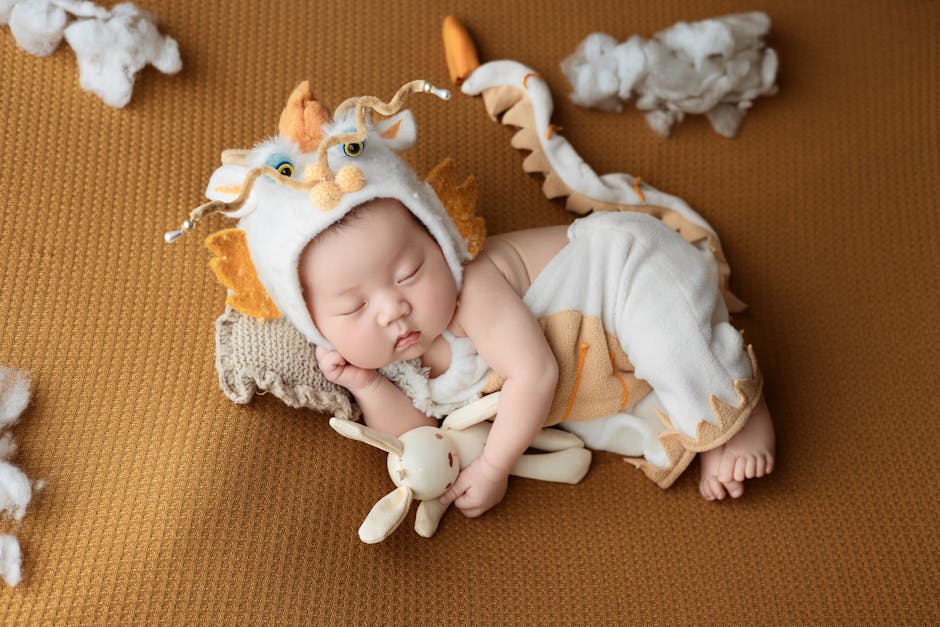
Story characters made from felt can transform playtime into an imaginative adventure. Crafting a small felt princess or a brave knight can spark endless storytelling possibilities. These toys can be used in puppet shows or as figures in a homemade felt board story. Adding unique features to these characters, like a shiny cape or a tiny crown, can make them more special. Your baby might find a felt dragon with colorful scales fascinating. This approach not only entertains but also encourages creative thinking. Which character will you create that becomes your child's favorite bedtime companion? Remember, making felt toys is not just about sewing; it's about creating memories and inspiring imagination. As you craft, think about how each toy will be part of your baby's world of discovery.
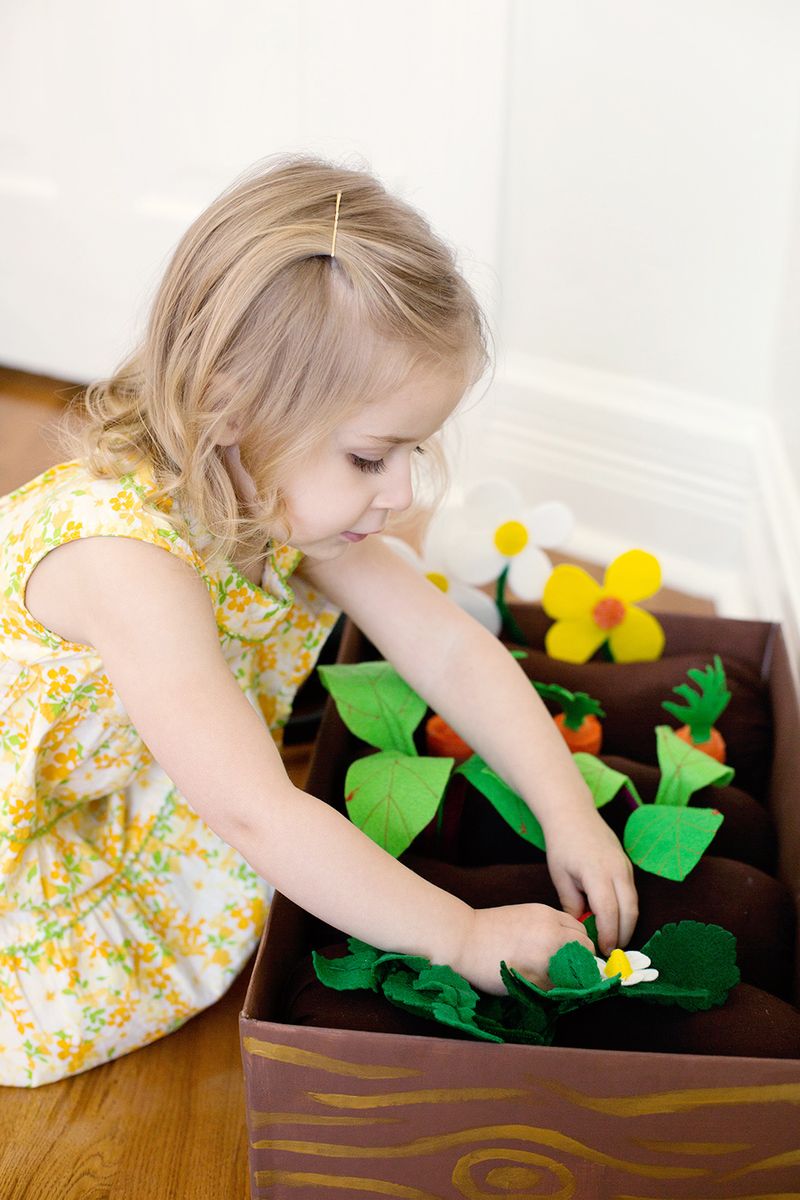
Credit: abeautifulmess.com
Cutting And Assembling
Creating felt toys for babies is a delightful activity. Cutting and assembling the felt pieces is a crucial step. This process brings your toy to life. With attention to detail, your handmade creation will be safe and charming.
Using Patterns
Patterns guide you to cut the felt accurately. Choose simple patterns for beginners. Print the pattern on paper. Cut the pattern pieces carefully. Pin the paper patterns onto the felt. Use sharp scissors for neat edges. Follow the lines closely for precision.
Stitching Pieces Together
Stitching is where the toy takes shape. Use a needle and thread matching the felt color. A blanket stitch works well for felt. Place two felt pieces together. Start stitching from the edge. Keep stitches tight and even. This ensures durability and safety. Knot the thread securely at the end.
Adding Details
Adding details to felt toys transforms them from simple shapes into engaging playthings. This step enhances the toy's visual appeal and stimulates a baby's senses. Felt toys are soft and safe for babies. They become more interesting with thoughtful details. These details can be embroidered features or safe embellishments. Each addition should be carefully crafted to ensure the toy remains safe for little hands. Let's explore how these details can bring felt toys to life.
Embroidering Features
Embroidering features like eyes and smiles add personality to felt toys. These stitches are simple yet effective. Use bright threads to catch a baby's attention. Embroidery is durable and safe for babies. It won't come loose easily. Small stitches keep the design neat. Try different patterns to create unique faces. Practice makes perfect with embroidery. Start with basic shapes and experiment. You can add detail over time.
Attaching Safe Embellishments
Safe embellishments can enhance a felt toy's charm. Buttons and beads should be avoided for babies. Instead, use felt shapes for decoration. Secure them with strong stitches. Felt pieces are soft and safe. Choose colorful felt to make the toys vibrant. Check embellishments regularly for wear. Ensure they remain firmly attached. Use fabric glue for extra security. Glue should be non-toxic and safe for babies. Always prioritize safety when adding embellishments.

Credit: www.youtube.com
Safety Tips
Crafting felt toys for babies requires attention to safety. Use non-toxic materials and ensure all parts are securely attached. Always check for small pieces that could pose a choking hazard.
Creating felt toys for babies is a delightful and rewarding experience. However, their safety should be your top priority. Babies are naturally curious, and ensuring their toys are safe can prevent accidents and give you peace of mind. Let's dive into some essential safety tips to keep in mind while making these adorable felt creations.
Choose Safe Materials
Start by selecting high-quality felt that is non-toxic and safe for babies. Look for felt labeled as BPA-free and lead-free, which is gentle on sensitive skin. Consider organic cotton or wool felt if possible. These materials are soft, natural, and less likely to irritate your baby's skin.
Avoid Small Parts
Small parts can pose a choking hazard to babies. Ensure all parts of the toy are securely attached. If you're adding embellishments like buttons or beads, ensure they're sewn tightly and cannot be easily removed.
Secure Seams And Edges
Check that all seams are securely stitched. Loose threads can be tempting for little fingers and mouths. Use strong thread and double-stitch seams to ensure durability. Trim any excess thread to avoid unraveling.
Test For Durability
Before handing over the toy, test its strength. Pull gently on various parts to ensure nothing comes loose. Consider involving your toddler in the testing phase. Their playful tugging can reveal weak spots you may have missed.
Regular Inspections
Even the best-made toys can wear over time. Regularly inspect felt toys for wear and tear. Look for frayed edges, loose parts, or any damage that could pose a risk. Repair or retire toys showing signs of wear.
Ensure Cleanliness
Babies love to chew and drool on their toys. Keeping felt toys clean is crucial. Wash toys regularly using mild detergent. Air-dry them thoroughly to prevent mold and mildew.
Consider Allergies
Some babies have sensitivities or allergies to certain materials. Observe any reactions when they play with felt toys. Opt for hypoallergenic materials if your baby shows signs of irritation or discomfort.
Engage With Your Baby
While making felt toys, think about what your baby might enjoy. Engage with them during playtime to see what piques their interest. Could a felt elephant spark a new curiosity? Or perhaps a colorful felt rainbow will capture their imagination? Observing their reactions can guide your next creation.
Ask Yourself
Before giving your baby a new toy, ask yourself: Is this safe for my child? Have I double-checked all safety aspects? These questions can help you ensure that your felt toys are not only fun but also safe for your precious little one.
Creative Ideas
Creating felt toys for babies opens up a world of imagination. With felt, the possibilities are endless. You can craft cuddly animals, colorful shapes, and more. The soft texture of felt is perfect for little hands. Let's explore some creative ideas to inspire your next project.
Interactive Elements
Interactive felt toys can engage and entertain. Think of toys that make noise or move. Velcro pieces can be fun for babies to stick and unstick. Consider adding a bell inside for gentle sound. Small mirrors can catch a baby's eye. These elements create joy and curiosity.
Customizing Colors
Colors play a big role in toys. Babies love bright and contrasting shades. Choose colors that stimulate visual senses. You might mix red, blue, and yellow for an eye-catching toy. Pastel colors can soothe and calm. Customize colors to fit your baby's preference.
Care And Maintenance
Felt toys for babies are delightful and safe. They require proper care to ensure longevity. Proper maintenance keeps them clean and fresh, perfect for your little one. Here’s a guide to maintaining your felt toys.
Regular Cleaning Routine
Gently brush off loose dirt with a soft bristle brush. Use a damp cloth to wipe stains. Avoid soaking the felt in water. This prevents damage to the material. For deep cleaning, use a mild soap solution. Spot clean only, focusing on dirty areas.
Avoiding Direct Sunlight
Felt can fade under direct sunlight. Store toys in a shaded area. This preserves their vibrant colors. Keep them away from windows or bright lights. This ensures the felt remains colorful and appealing.
Proper Storage
Store felt toys in a cool, dry place. Use a breathable bag or box. Avoid plastic bags that trap moisture. This prevents mold and mildew growth. Organize toys to avoid crushing or deforming them.
Repairing Minor Damages
Check toys regularly for tears or loose threads. Use a needle and thread for minor repairs. Fix damages promptly to avoid worsening. Keep small parts away from babies during repairs. This ensures safety and longevity.
Safe Handling Practices
Always supervise babies during playtime. This prevents toys from being chewed or mishandled. Teach older children to be gentle with felt toys. Encourage careful play to prolong toy life.
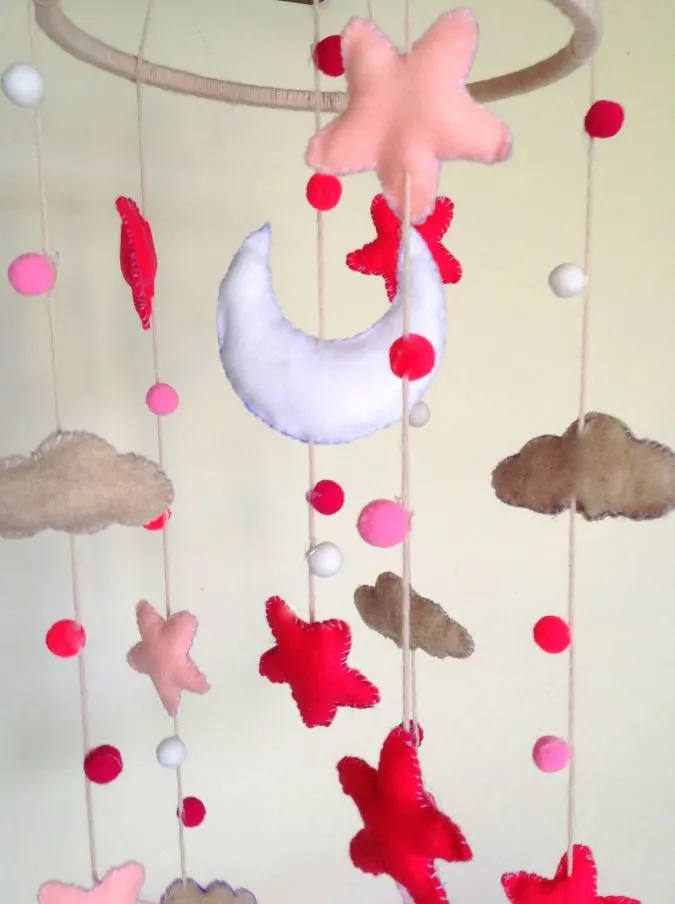
Credit: sewcraftyme.com
Frequently Asked Questions
What Materials Are Needed For Felt Toys?
To make felt toys, you'll need felt sheets, scissors, thread, and needles. Use non-toxic glue for added safety. You might also need stuffing materials like cotton or polyester. Ensure all materials are baby-safe and free from small parts.
How Do You Ensure Toys Are Safe For Babies?
Use non-toxic, high-quality materials for felt toys. Avoid small parts to prevent choking hazards. Double-stitch seams to ensure durability. Regularly inspect toys for wear and tear. Always supervise babies while they play with felt toys.
Can Felt Toys Be Washed Easily?
Felt toys can be hand washed with mild soap and cold water. Gently squeeze out excess water and air dry. Avoid machine washing as it may damage the toys. Regular cleaning maintains hygiene and prolongs the toy's life.
How Long Does It Take To Make Felt Toys?
Making a simple felt toy can take about 1 to 2 hours. Complex designs may require more time, depending on your skill level. Start with easy patterns and gradually try more intricate designs as you gain confidence.
Conclusion
Creating felt toys for babies is a rewarding activity. Felt is soft, safe, and colorful. Perfect for little hands to explore. Choose simple designs like animals or shapes. Use bright colors to catch your baby's attention. Crafting felt toys encourages creativity and bonding time.
It's an easy way to make playtime special. Remember to supervise play for safety. Felt toys can be customized and personalized. Make each toy unique and meaningful. Enjoy the process, and let your creativity shine. Share your creations with family and friends.
Happy crafting!