
You're not just a parent; you're a protector, a guardian of your baby's health and happiness. Those soft, cuddly toys that your little one loves so much?
They can harbor germs and bacteria. It might sound alarming, but don’t worry—there are simple, effective ways to keep those beloved cloth toys clean and safe. Imagine the peace of mind you'll have knowing that each snuggle is as safe as it is sweet.
You'll discover easy steps to disinfect cloth baby toys, ensuring they remain a source of comfort, not concern. Stick around to learn how to effortlessly maintain a healthy play environment for your child. Your baby's well-being deserves nothing less!
Importance Of Disinfecting Baby Toys
Disinfecting baby toys is crucial for maintaining your child's health. Babies explore the world with their hands and mouths, making toys a potential breeding ground for germs. Regular cleaning helps protect your little one from illnesses and infections. Imagine your baby playing with a toy that was recently sneezed on or dropped on the floor. Would you feel comfortable letting them play with it without cleaning? Disinfecting ensures you don't have to worry.
Toys get dirty faster than you might think. Every time your baby plays, the toys come into contact with saliva, dust, and other particles. These germs can easily spread if not cleaned properly. It's not just about cleanliness; it's about health and safety. You wouldn't skip washing your hands, so why skip cleaning toys?
Consider the impact of a simple cleaning routine. It not only keeps toys looking fresh but also reduces the risk of your baby catching colds or other infections. This small step can make a big difference in your baby's well-being. How often do you clean your baby's toys?
Disinfecting baby toys is a proactive step in parenting. It's an easy way to show love and care, ensuring your baby can play safely. Remember the last time your baby caught a cold? It might have been preventable with clean toys. Taking action now can save you a lot of trouble later.
Why You Should Disinfect Cloth Baby Toys
Cloth toys often absorb moisture and dirt, making them an ideal home for bacteria. Unlike plastic toys, cloth toys can’t just be wiped down easily. Proper cleaning methods are necessary to keep them safe. Don't overlook them because they're soft and cuddly.
Think about the times your baby drooled on a stuffed animal. How long did it sit there without being cleaned? This moisture can lead to mold growth. Regular cleaning helps prevent this issue, ensuring your baby's toys remain safe for play.
How Often Should You Clean Baby Toys?
The frequency of cleaning depends on the toy's usage. Toys that your baby uses daily should be cleaned weekly. However, toys that are used less frequently can be cleaned monthly. The key is consistency and attentiveness.
Have you ever noticed your baby getting sick after a playdate? It might be a sign that more frequent cleaning is necessary. Keep a schedule to ensure toys are regularly disinfected. This simple habit can protect your baby from unwanted germs.
Ultimately, the goal is to create a safe and healthy environment for your baby. By maintaining clean toys, you're taking an important step in their care. Are there any toys that need extra attention today?
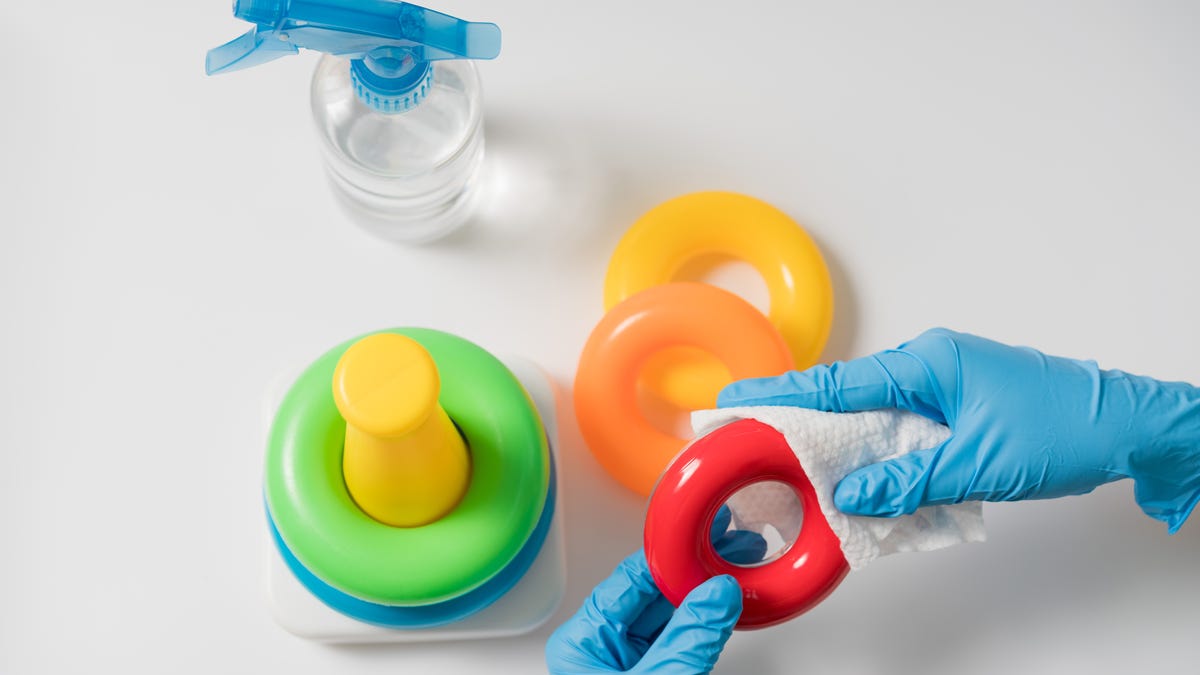
Credit: www.cnet.com
Common Germs On Cloth Toys
Cloth baby toys can harbor germs like bacteria and viruses. To disinfect them, use a mild soap and warm water. Air dry the toys completely to prevent mold growth.
Cloth toys are beloved by children. They offer comfort and play. But these toys can harbor germs. Understanding these germs is essential. It helps ensure a safe playtime environment.
Types Of Germs Found On Cloth Toys
Cloth toys can host various germs. Bacteria like E. coli are common. They thrive in moist environments. Toys can also carry Staphylococcus. It lives on skin and surfaces. Viruses like the flu can linger. They spread through touch and contact.
How Germs Spread On Cloth Toys
Germs spread easily on toys. Children touch toys often. This transfers germs from hands. Toys also touch floors and surfaces. Germs move from place to place. Sharing toys increases germ spread. Multiple children play together. Germs hop from child to child.
Risks Associated With Germs On Toys
Germs on toys pose health risks. Bacteria can cause infections. They may lead to stomach bugs. Viruses can result in colds or flu. These are common in children. Allergens can also stick to toys. Dust mites can trigger allergies. Sensitive children might react.
Why Regular Cleaning Is Important
Regular cleaning reduces germ build-up. It helps maintain children's health. Clean toys last longer. They stay fresh and inviting. Parents should set cleaning routines. Consistent care keeps germs at bay. It ensures safe, healthy playtime. `
Materials And Safety Considerations
Ensuring the safety of cloth baby toys involves understanding materials and safety considerations. Parents want toys that are not only fun but also safe. The choice of materials and proper care play a crucial role in this. Knowing how to disinfect them without compromising their safety is essential.
Materials Used In Cloth Baby Toys
Cloth baby toys often use cotton, polyester, or blends. These materials are soft and gentle on a baby’s skin. Some toys may include organic fabrics. These are free from harmful chemicals. Always check the label for material specifics. This ensures that the toy is safe and suitable for your baby.
Importance Of Non-toxic Dyes
Non-toxic dyes are vital for baby toys. Babies often put toys in their mouths. Using non-toxic dyes reduces the risk of harmful exposure. Look for toys labeled with safe dyes. This ensures an extra layer of safety for your child.
Safety Considerations During Disinfection
Disinfecting cloth toys requires careful attention. Use mild detergents without harsh chemicals. Strong chemicals can irritate a baby’s skin. Opt for natural disinfectants like vinegar or baking soda. These are safe and effective alternatives.
Checking For Wear And Tear
Regularly inspect toys for damage. Loose threads or buttons can pose choking hazards. Repair or replace damaged toys immediately. This ensures continuous safety for your baby.
Pre-wash Preparation
Pre-wash preparation is crucial for disinfecting cloth baby toys effectively. It ensures thorough cleaning and prevents damage during the wash. By following these steps, you can keep your baby's toys safe and hygienic.
Checking Labels
Examine each toy for care instructions on labels. They reveal how to wash and disinfect safely. Look for symbols indicating water temperature, drying methods, and detergent compatibility. This information guides proper cleaning and prevents ruining the toy.
Removing Loose Parts
Before washing, check for loose parts like buttons or ribbons. These parts can detach during washing. Remove them to prevent choking hazards. Secure loose threads or seams to avoid further damage. This step ensures toys remain intact and safe for your baby.
Washing Techniques
Keeping your baby's cloth toys clean is crucial for their health. Regular washing removes germs and allergens. It extends the life of the toys, too. Let's explore effective washing techniques.
Hand Washing
Hand washing offers gentle care for delicate toys. Fill a basin with warm water. Add mild detergent. Submerge the toy. Gently scrub the surface with a soft brush. Pay attention to seams and crevices. Rinse thoroughly until no soap remains. Press out excess water. Lay flat on a towel to dry.
Machine Washing
Machine washing is convenient for sturdier toys. Check labels for washing instructions. Place toys in a mesh laundry bag. Use a gentle cycle with warm water. Add mild detergent. Avoid fabric softeners. They might irritate sensitive skin. After washing, air dry the toys. Sunlight can help kill remaining germs.
Natural Disinfecting Methods
Natural disinfecting methods offer a safe and eco-friendly way to clean your cloth baby toys. As a parent, you want to ensure your little one's toys are germ-free without exposing them to harsh chemicals. These methods are not only effective but also gentle on your baby's sensitive skin. Let’s dive into some tried-and-true solutions that you probably already have in your kitchen.
Vinegar Solution
Vinegar is a fantastic natural disinfectant that is both affordable and readily available. You can create a simple cleaning solution by mixing equal parts of water and white vinegar in a spray bottle.
Spray the mixture onto the toy’s surface and wipe it down with a clean cloth. The acidity in vinegar works wonders in killing bacteria and viruses.
Have you ever thought about vinegar's smell? It's not the most pleasant, but it dissipates quickly, leaving the toys smelling fresh.
Baking Soda Paste
Baking soda is another household staple that can help you in your disinfecting mission. To make a paste, mix baking soda with a bit of water until it reaches a thick consistency.
Apply the paste to the toys and gently scrub. Baking soda is great for removing dirt and grime, and it's safe for your baby’s toys.
After scrubbing, rinse the toy thoroughly with water. You’ll find baking soda leaves no residue, ensuring your toys are clean and safe.
What’s your go-to natural cleaning method for baby toys? These solutions could be a game changer for your cleaning routine.
Using these natural methods not only helps in keeping your baby’s environment safe but also contributes to a healthier planet. Every small effort counts, doesn't it?
Using Commercial Disinfectants
Disinfecting cloth baby toys is essential for maintaining a healthy environment. Using commercial disinfectants can simplify this task. They are designed to kill germs effectively. But, choosing the right product is crucial. It ensures safety for your child.
Choosing Safe Products
Opt for disinfectants labeled as safe for children. Read the product labels carefully. Avoid those with harsh chemicals. Look for products with natural ingredients. Check for certifications from trusted authorities. This ensures the product is safe for use.
Application Tips
Follow the instructions on the disinfectant label. Use the recommended amount. Apply it evenly across the toy's surface. Ensure the toy is fully dry before giving it back to your child. Store the disinfectant away from children's reach. Ventilate the room during and after application. This prevents inhalation of fumes.

Credit: puracy.com
Drying And Storage Tips
Clean cloth baby toys with mild soap and water. Ensure thorough drying to prevent mold. Store in a dry, ventilated area for freshness.
Drying and storing cloth baby toys properly is crucial to maintaining their cleanliness and longevity. After disinfecting, the drying process ensures that no moisture is trapped, which could lead to mold growth. Proper storage keeps the toys safe from dust and dirt. Let's dive into how you can effectively dry and store those adorable cloth toys for your little one.
Air Drying
Air drying is a natural and effective way to dry cloth baby toys. After you've washed and disinfected them, lay them flat on a clean towel. This helps absorb excess moisture. Rotate the toys occasionally to ensure all sides dry evenly. If weather permits, hanging them outdoors in direct sunlight adds an extra layer of sanitization as UV rays kill bacteria. Avoid using the dryer as high heat can damage delicate fabrics. Remember, patience is key to ensure toys dry thoroughly without damage.
Proper Storage
Once dry, storing the toys correctly prevents future contamination. Use a clean, dry box or basket specifically for toys. This keeps them organized and easily accessible. Consider storage in a location away from direct sunlight. This prevents fabric fading and keeps toys looking vibrant for longer. Regularly check your storage area for dust and pests. Keeping it clean ensures your child's toys remain hygienic and safe for play. Have you noticed how sometimes toys accumulate a musty smell? Proper drying and storage can prevent this, giving your child fresh toys every time they play.
Frequency Of Disinfection
Disinfect cloth baby toys by regularly washing them in hot water. Use a gentle detergent to keep them clean and safe. Air drying under sunlight can enhance cleanliness and remove bacteria naturally.
Keeping your baby's cloth toys clean is crucial, but how often should you disinfect them? It's a question many parents grapple with. Disinfection frequency depends on a few factors, including how often your child uses the toys and the environment they are exposed to. This section will help you determine the right schedule for disinfecting your baby's cloth toys, ensuring they remain safe and clean for playtime.
How Often Should You Disinfect Cloth Baby Toys?
The frequency of disinfecting cloth baby toys isn't one-size-fits-all. If your baby is teething and loves to chew on toys, you might need to clean them more regularly. Similarly, if toys frequently touch the ground or are shared with other children, consider weekly disinfection. Think about the environment. Do you have pets that might bring dirt into the home? Are toys frequently taken on outdoor adventures? These factors might prompt more frequent cleaning. Aim for a balance between maintaining hygiene and preserving the toy's material.
Signs That Toys Need Disinfecting
You might wonder how to tell if a toy needs disinfecting. Look for visible dirt or stains. If a toy smells strange or seems sticky, it's time for a clean. Also, consider disinfecting toys after your child has been sick to prevent spreading germs. Regular checks can help you stay on top of cleanliness.
Creating A Disinfection Routine
Developing a routine can simplify the process. Perhaps set a weekly reminder to inspect and disinfect toys. You could align this task with other household cleaning chores to make it a seamless part of your schedule. Consistency ensures that toys remain safe and ready for your baby's playtime.
Benefits Of Regular Disinfection
Regular disinfection has multiple benefits. It helps prevent illnesses and keeps toys looking fresh. Clean toys are more appealing and safer for babies to explore. Plus, establishing a routine can give you peace of mind knowing you're doing your best for your child's health.
Do You Need To Disinfect New Toys?
It's tempting to assume new toys are clean, but that's not always the case. Packaging and transport can expose toys to dirt and germs. A quick initial wash or wipe down can ensure they're truly clean before your baby starts playing. Consider it a proactive step in your disinfection routine. Ultimately, the goal is to find a balance that works for your family. How often do you disinfect your baby's cloth toys?

Credit: mrtimesaver.nl
Signs Of Wear And Tear
Discovering signs of wear and tear is vital for disinfecting cloth baby toys. Look for fading colors, loose threads, or broken parts. These indicators help ensure effective cleaning, maintaining your baby's health and toy safety.
As parents, we often find ourselves in a whirlwind of toys, especially those adorable cloth baby toys that our little ones cherish. However, these toys, being in constant use, can show signs of wear and tear over time. Recognizing these signs not only helps maintain cleanliness but also ensures your child's safety. So, how do you know when a toy has seen better days?
When To Retire Toys
It's hard to let go of your child's favorite plush toy, but there are times when it's necessary. If you notice persistent stains that won't come out, it's time to consider retiring the toy. Loose threads or seams can pose choking hazards, especially for younger children. Consider your child's growing needs too. If a toy is too babyish or no longer holds their interest, it might be better to replace it with something more age-appropriate.
Repairing Tips
Before you toss a beloved toy, consider a few simple repairs. A sewing kit can be your best friend. Stitch up loose seams and reattach any parts that have come loose. For stains, a gentle wash with baby-safe detergent can work wonders. If you're dealing with stubborn spots, a mixture of baking soda and water may help lift them. If a toy has missing parts, like an eye or button, you can often find replacements at craft stores. This not only restores the toy but also gives it a little character. Remember, toys have a life cycle too. Keeping an eye out for these signs ensures your child's safety and the longevity of their cherished companions. What are some signs you've noticed in your child's toys? How have you managed to keep them in good shape? Share your experiences and tips below!
Frequently Asked Questions
How Often Should I Disinfect Baby Toys?
Disinfecting cloth baby toys depends on usage and exposure. Generally, clean them weekly or when visibly dirty. Regular disinfection helps prevent germ build-up and keeps toys safe for your child. Always follow the care label instructions to maintain the toy's longevity and safety.
Can I Use Bleach To Disinfect Cloth Toys?
Using bleach on cloth toys is not recommended. Bleach can damage fabric and leave harmful residues. Instead, use mild soap and water or a baby-safe disinfectant. Ensure toys are thoroughly rinsed and dried after cleaning to remove any soap residues completely.
Are Natural Disinfectants Safe For Baby Toys?
Yes, natural disinfectants like vinegar or baking soda are safe for cloth baby toys. They effectively eliminate germs without harsh chemicals. Mix vinegar with water or sprinkle baking soda on toys, then rinse and dry. These options are eco-friendly and gentle on sensitive baby skin.
Can Washing Machines Disinfect Cloth Toys?
Washing machines can effectively clean cloth toys, but may not fully disinfect. Use a hot water cycle with baby-safe detergent for best results. Add a disinfectant rinse if needed. Always check the care label to ensure the toy can withstand machine washing.
Conclusion
Disinfecting cloth baby toys keeps your child safe and healthy. Regular cleaning prevents germs and bacteria. Use mild soap and warm water for best results. Avoid harsh chemicals that might harm your baby. Air dry toys completely before use. This simple routine ensures toys remain clean and safe.
Always check labels for specific cleaning instructions. Maintain a clean environment with these easy steps. Your baby's health depends on it. Keep toys fresh and ready for play. A little effort goes a long way. Prioritize cleanliness for peace of mind.
Stay consistent and your efforts will pay off.