

Are you a parent eager to understand how long your little one will need teething toys? You're not alone.
Navigating the teething phase can feel like an endless journey filled with drool, cranky moods, and sleepless nights. But don't worry, there's light at the end of the tunnel! Knowing when to start and stop using teething toys can make this period smoother for both you and your baby.
We’ll dive into the ins and outs of teething toys, offering you the peace of mind you deserve. Stick around to learn how to ease your baby's discomfort and ensure they stay happy and healthy through this milestone.
Teething Timeline
Babies often use teething toys from around 3 months old until they are about 2 years. These toys help soothe gums as teeth gradually emerge. Parents find teething toys beneficial for comforting fussy infants during this challenging phase.
Understanding the Teething Timeline can be a lifesaver for parents navigating the mysterious world of baby development. Teething is a significant milestone, and knowing when and what to expect can ease the journey for both you and your little one. From the first hint of a tooth to the final eruption, let's explore how long babies typically use teething toys.
When Teething Begins
Teething can start as early as three months, but it generally kicks off around six months. Your baby's gums might become sore and swollen, leading them to chew on anything within reach. This is where teething toys come into play, offering relief and comfort. Every baby is different. Some might start showing signs earlier, while others may not begin teething until closer to their first birthday. Keep an eye out for excessive drooling and a sudden urge to gnaw on objects. These are telltale signs that a tooth is on its way.
Stages Of Teething
Teething usually follows a predictable sequence. The first teeth to appear are often the lower central incisors, followed by the upper central incisors. This stage is when teething toys become indispensable, as they help soothe the discomfort. Next, the lateral incisors, canines, and molars emerge in stages over the following months. Each stage can bring its own challenges and discomforts. Consider having a variety of teething toys on hand to keep your baby engaged and relieved. By the time your baby is around two to three years old, they will likely have a full set of 20 primary teeth. At this point, the need for teething toys diminishes. However, some children may continue to use them out of habit or comfort. Have you noticed any patterns in your baby's teething? Do they prefer a certain type of teething toy over others? Observing these little details can make a big difference in easing their discomfort. In essence, teething toys are a temporary yet essential part of your baby's development. They not only provide relief but also offer a safe way for babies to explore their new teeth. Knowing the teething timeline helps you prepare and respond to your baby's needs effectively.
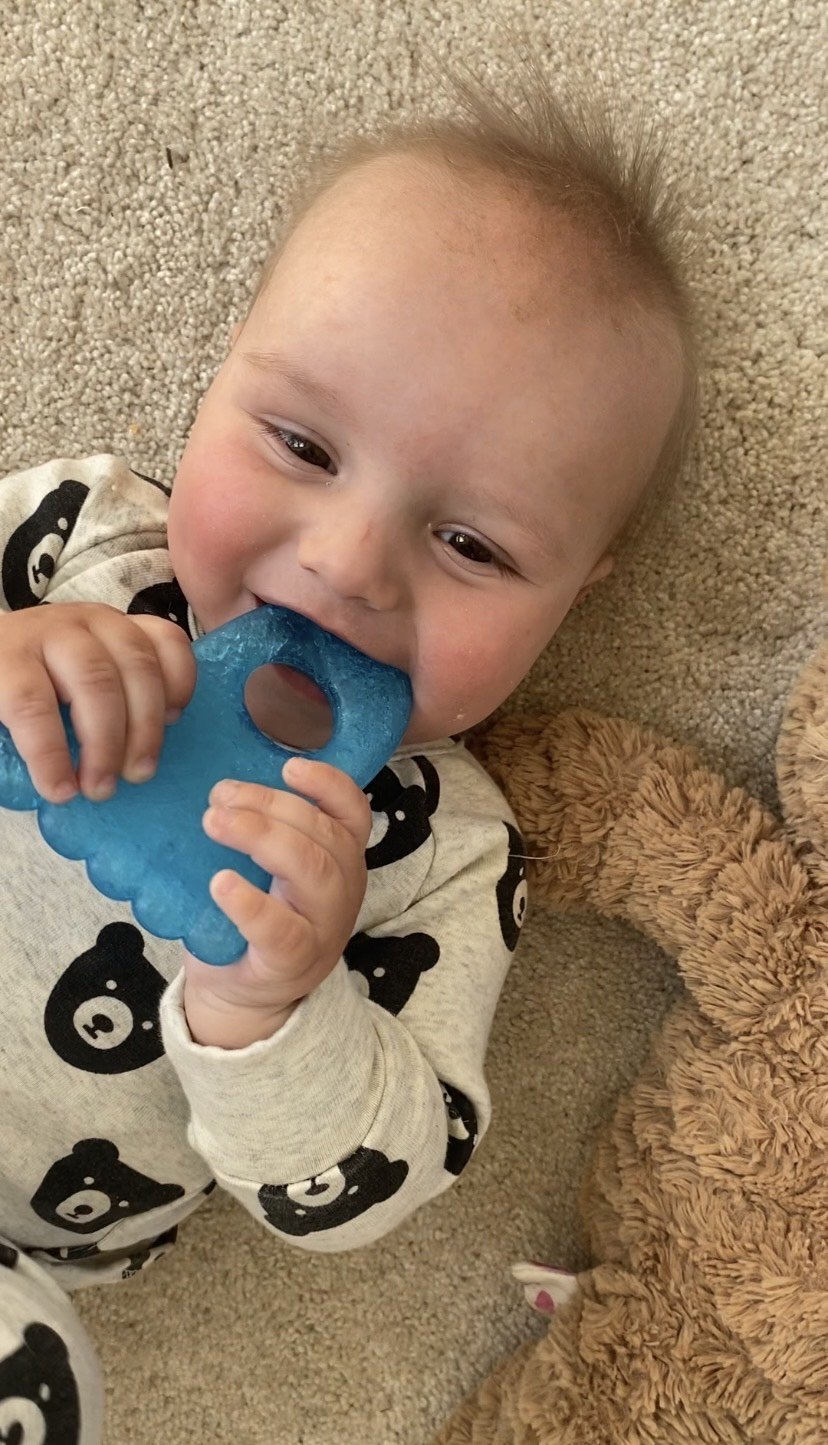
Credit: www.karingforpostpartum.com
Purpose Of Teething Toys
Babies use teething toys to soothe sore gums. These toys are typically used from around three months to two years. They offer comfort during teething stages and aid sensory exploration.
Teething can be a challenging phase for both babies and parents. You might notice your little one becoming fussy or drooling more than usual. This is where teething toys come in handy. These toys are designed to relieve discomfort and support your baby's oral development during this crucial time. But what exactly is the purpose of these toys? Let’s break it down.
Soothing Sore Gums
The primary function of teething toys is to soothe your baby's sore gums. When teeth start to emerge, it can cause significant discomfort. A teething toy provides a safe surface for your baby to chew on, which can alleviate the pain. Imagine watching your baby find relief as they gnaw on a colorful teething ring. It's a simple solution to a common problem. Some toys are even designed to be refrigerated, offering a cooling sensation that can further reduce gum pain. Have you tried offering your baby a chilled teething toy yet?
Encouraging Oral Development
Teething toys aren't just about comfort; they play a critical role in oral development too. Chewing on various textures helps strengthen the muscles in your baby's mouth. This is essential for future skills like chewing solid foods and forming words. Think about it this way—while your baby is blissfully chewing away, they are also honing their oral skills. Some teething toys are designed with ridges and bumps to stimulate the gums and promote healthy teeth growth. Are you considering different textures in your choice of teething toys? Incorporating teething toys into your baby's routine is more than just a stopgap for teething pain. It's a way to support their growth in a fun and engaging manner. Why not explore different options and see which ones your baby prefers? Remember, a happy baby often means a happy parent too!
Types Of Teething Toys
Babies typically use teething toys from about 3 months to 18 months of age. Various types cater to different stages, like soft silicone toys for early teethers and harder ones for older infants. These toys help soothe gums and encourage healthy teeth development during this period.
When you're a parent, watching your baby grow is a journey filled with countless milestones, each bringing its own set of joys and challenges. Teething is one such milestone. It’s a time when your little one might be more irritable than usual as those tiny teeth break through. Having the right teething toys can make a world of difference. Let's look at some popular types of teething toys to help you decide which might be best for your baby.
Silicone And Rubber Options
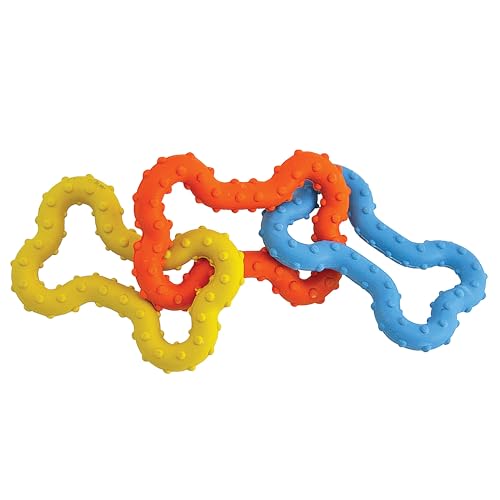
Silicone and rubber teething toys are a hit with many parents. They are soft, flexible, and easy for little hands to grip. Many come in bright colors and fun shapes, making them visually appealing to babies. Plus, they're often dishwasher-safe, which is a huge bonus for busy parents. Have you tried a silicone teether shaped like a banana? It's not just cute; its texture can soothe sore gums effectively.
Wooden Teething Toys
Wooden teething toys have a classic charm that many parents love. They're natural, durable, and eco-friendly. Unlike silicone, they offer a different texture that some babies find soothing. Have you ever thought about the gentle clinking sound wood toys make? It could be an unexpected bonus that keeps your baby entertained.
Teething Rings And Keys
Teething rings and keys are another favorite among parents. They usually come in sets, offering a variety of shapes and textures. Some designs are filled with water or gel, which allows them to be chilled in the fridge for extra relief. Can you imagine the joy on your baby’s face when they discover a cool teething ring on a hot day? It's small victories like these that make parenting so rewarding. Choosing the right teething toy can be as unique as your baby. Each type offers different benefits, and what works wonders for one child might not for another. What's your baby's favorite teething toy? It might be the key to a happier, more comfortable teething experience.
Choosing The Right Teething Toy
Choosing the right teething toy is crucial for your baby's comfort. It helps soothe the gums and can make teething less painful. Selecting the best toy involves considering safety, age, and material.
Safety Considerations
Safety is the top priority for teething toys. Ensure the toy is free from harmful chemicals. BPA-free materials are ideal. Check for small parts that might be choking hazards. The toy should be durable and not break easily.
Age Appropriateness
Teething toys vary for different ages. Newborns need softer textures for gentle gums. Older babies enjoy toys that are easy to grip. Bright colors and varying textures keep them engaged. Choose a toy suitable for your baby's age and development stage.
When To Stop Using Teething Toys
Babies typically stop using teething toys around age two, as most teeth have emerged by this stage. Teething discomfort usually decreases significantly, reducing the need for these toys. Regular dental check-ups can help ensure your child's oral health is on track.
Teething toys are a staple in every parent's toolkit, offering relief and comfort to babies during the challenging teething phase. However, as your little one grows, you might find yourself wondering when it's time to put these toys aside. Transitioning away from teething toys is a natural part of your baby's development, but recognizing the right moment can sometimes be tricky. Understanding the signs and knowing how to introduce other oral care tools can make this transition smoother for both you and your baby.
Signs Baby Is Ready To Move On
One sign your baby might be ready to ditch the teething toys is a noticeable decrease in their interest. They may favor other toys or activities instead. Observe their behavior during playtime. If they consistently choose toys that engage other senses or skills, it might be time to retire the teething toys. Also, if your baby starts showing signs of discomfort with teething toys, such as fussiness or irritation, it could indicate they're ready to try new things.
Transitioning To Other Oral Care Tools
Once your baby is less interested in teething toys, consider introducing a soft-bristled toothbrush. It's a great way to start building healthy oral habits early. You can make brushing fun by letting your baby choose their own toothbrush. Many come in vibrant colors and fun designs that can make brushing time something they look forward to. Additionally, consider offering silicone finger brushes. They're gentle on gums and can help your baby acclimate to the sensation of brushing. Are you ready to guide your baby through this transition? Embrace this exciting milestone as an opportunity to nurture your child's oral health. The journey may have its challenges, but with patience and creativity, you can turn it into a fun, rewarding experience for both you and your little one.
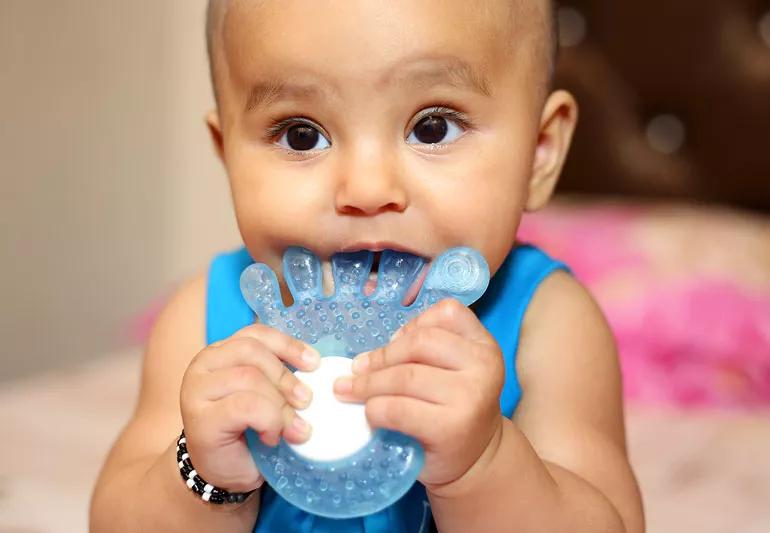
Credit: health.clevelandclinic.org
Care And Maintenance Of Teething Toys
Babies typically use teething toys from around 4 to 24 months. These toys soothe gums and aid in tooth eruption. Regular cleaning ensures they remain safe and effective for your little one.
Caring for your baby's teething toys is crucial to ensure their safety and enjoyment. These toys not only soothe their aching gums but also go directly into their mouths. Proper care and maintenance mean less worry for you and a happier baby. Let's dive into how you can keep these essential items in top condition.
Cleaning Tips
Keeping teething toys clean is essential. Babies put everything in their mouths, so you want to ensure these toys are free from germs. Wash teething toys regularly with warm, soapy water. For dishwasher-safe toys, run them through a cycle to save time. Avoid harsh chemicals that can leave harmful residues. Opt for natural cleaning solutions like vinegar and water. Check for any cleaning instructions on the toy's packaging. Each material may require different care.
When To Replace
Teething toys won't last forever. Knowing when to replace them is key to your baby's safety. Inspect toys regularly for signs of wear and tear. Cracks or broken pieces are hazards. If a toy starts to lose its color or shape, it might be time to get a new one. These changes can indicate material degradation. Consider how often your baby uses the toy. Frequent use might mean quicker replacement. How do you decide when to replace your baby's teething toys? Remember, ensuring safety is always worth the small extra effort.

Credit: www.amazon.com
Frequently Asked Questions
When Should Babies Start Using Teething Toys?
Babies typically start using teething toys around 3 to 6 months of age. Teething toys provide comfort and help soothe sore gums during the teething process. It's important to choose safe, age-appropriate toys that can be easily cleaned and sanitized to ensure your baby's health and safety.
How Long Are Teething Toys Useful For Babies?
Teething toys are typically useful until your baby has a full set of teeth, which is around 24 months. However, some babies may need them for shorter or longer periods. Regularly check for wear and damage to ensure they remain safe and effective for your baby's needs.
Are Teething Toys Safe For Newborns?
Teething toys are generally not recommended for newborns, as they start teething later, around 3 to 6 months. Always choose toys designed for your baby's age group. Ensure toys are BPA-free and made from safe materials, reducing any risk to your baby's health and safety.
What Are The Benefits Of Teething Toys?
Teething toys help soothe sore gums and provide relief during teething. They can also stimulate sensory development and improve hand-eye coordination. Babies learn to grip and manipulate toys, which supports their motor skills development while easing teething discomfort.
Conclusion
Teething toys help soothe babies during this tough phase. Most babies use them until around two years old. Each baby is different, and some might stop earlier. Others may continue a bit longer. Pay attention to your baby's needs. Observe how they respond to teething toys.
Choose toys made from safe, non-toxic materials. Always supervise your baby during use. This ensures safety and comfort. Offer a variety of toys to find what works best. Remember, every baby is unique. Their teething journey will reflect that.