
You want the best for your baby, and keeping their toys clean is a crucial part of ensuring their safety and health. As your little one explores the world, they naturally put toys in their mouth, making it essential to know how to disinfect them effectively.
Imagine the peace of mind you’ll feel knowing your baby is playing with germ-free toys. You'll discover simple, yet effective methods to sanitize your baby’s toys, using materials you probably already have at home. By the end of this guide, you'll have the confidence to protect your baby from harmful germs, without any hassle.
Let's dive into the easy steps to keep your baby’s playtime safe and clean.
Importance Of Toy Disinfection
Keeping baby toys clean is crucial for your child's health. Germs can easily spread through toys, leading to illness. Regularly disinfecting toys helps reduce this risk, ensuring a safer play environment.
Ensuring the cleanliness of baby toys is crucial for your child's health and safety. Toys can harbor germs and bacteria, which can easily be transferred to your baby during playtime. Disinfecting toys regularly helps prevent the spread of illnesses and keeps your baby healthy.
Why Is Toy Disinfection Important?
Children explore the world with their hands and mouths. This means toys are constantly in contact with saliva, dirt, and other contaminants. Regular disinfection minimizes the risk of infections like colds, flu, or more serious illnesses. Imagine your child playing with a toy that another child with a cold recently used. Without proper cleaning, there's a high chance your baby could catch that cold. Disinfecting toys creates a safer play environment.
How Often Should You Disinfect Toys?
The frequency of disinfection depends on how often the toy is used and where. Toys used daily or in communal settings like daycare should be cleaned more frequently, at least once a week. For toys that rarely leave the house, a monthly cleaning might suffice. However, during flu season or if your child has been sick, increase the cleaning frequency to ensure all germs are eliminated.
What Are Safe Disinfectants For Baby Toys?
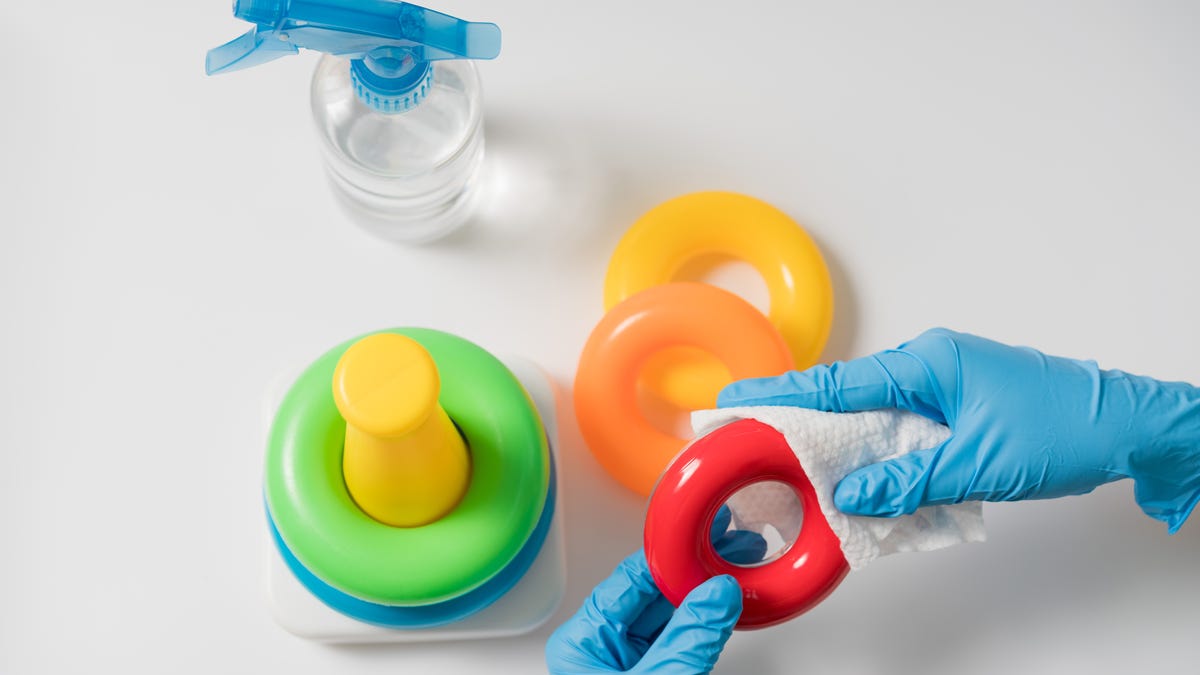
Using the right disinfectants is key to keeping your baby safe. Opt for non-toxic, child-friendly cleaning agents. A simple mix of water and white vinegar can be an effective and safe disinfectant for most toys. Plastic toys can be submerged in this solution, while electronic toys can be wiped down with a cloth dampened in the mixture. Always ensure toys are completely dry before handing them back to your child.
Can You Use A Dishwasher For Toy Disinfection?
Many parents find dishwashers a convenient option for disinfecting certain toys. Dishwasher-safe items, like hard plastic toys, can be placed on the top rack. The high temperatures and detergent effectively kill bacteria and germs. However, check the toy’s label to ensure it's dishwasher safe. Avoid putting toys with batteries or electronic parts in the dishwasher, as water can damage these components.
Have You Considered Uv Light Sanitizers?
UV light sanitizers are an innovative option for toy disinfection. They use ultraviolet light to kill germs and bacteria without chemicals. This method is quick and can be a great solution for busy parents. If you're considering this option, research products to ensure they are effective and safe for use around children. UV sanitizers can be a worthwhile investment for keeping your baby's toys clean and germ-free. Toy disinfection is a simple yet effective way to protect your child's health. Regular cleaning routines can prevent the spread of germs and illnesses. How do you ensure your baby's toys are germ-free? Share your tips and experiences in the comments!
Credit: www.cnet.com
Choosing Safe Cleaning Products
Disinfecting baby toys requires careful choice of cleaning products. Safety comes first when it involves your child's health. Many cleaning solutions contain harmful ingredients. It's vital to choose ones that ensure the safety of your child.
Avoiding Harmful Chemicals
Many cleaning products contain chemicals like phthalates and formaldehyde. These can be harmful if ingested or inhaled. Always read labels for these ingredients. Avoid products with fragrances, as these can also be irritating. Choose products specifically labeled as safe for children.
Natural Alternatives
Consider natural alternatives for cleaning baby toys. Vinegar is an effective, natural disinfectant. Mix equal parts water and vinegar for a safe cleaning solution. Baking soda can also be used. Sprinkle some on toys and scrub gently. Rinse well after cleaning to ensure no residue remains.
Disinfecting Different Types Of Toys
Keeping baby toys clean ensures safety and health. Different materials require specific cleaning methods. Use mild soap and water for plastic toys. For fabric toys, check if they are machine-washable. Electronic toys need surface wiping with a damp cloth. Regular cleaning helps protect babies from germs.
Disinfecting Different Types of Toys Keeping your baby's toys clean is crucial for their health and safety. Different types of toys require different cleaning methods to effectively remove germs. Do you know the best way to tackle each type? Let’s break it down.
Plastic And Rubber Toys
Plastic and rubber toys are easy to disinfect. You can use a mixture of warm water and mild soap. Simply soak the toys, scrub with a brush, and rinse thoroughly. For added germ-killing power, you can wipe them with a disinfectant wipe or dip them in a solution of one tablespoon of bleach to one gallon of water. Rinse well and let them air dry. Have you noticed how much easier it is to clean these toys compared to others?
Stuffed Animals
Stuffed animals require a gentler touch. Check the care label first. Most can be machine washed on a gentle cycle with a mild detergent. For toys that can’t handle the machine, a steam cleaner can be a lifesaver. It penetrates the fabric to kill germs without soaking the toy. After cleaning, ensure they're thoroughly dried to prevent mold. Isn’t it surprising how much gunk these cuddly friends can hold?
Wooden Toys
Wooden toys are a bit trickier due to their porous nature. Avoid soaking them in water as it can warp the wood. Instead, wipe them with a cloth dampened with a vinegar-water solution. The vinegar acts as a natural disinfectant. Dry them immediately with a clean towel. Have you ever thought about how resilient yet delicate these toys can be? By tailoring your cleaning approach to the toy type, you ensure your baby's playthings are both safe and long-lasting. Which toy type do you find most challenging to clean?

Credit: www.reddit.com
Step-by-step Cleaning Process
Keeping baby toys clean is essential for your child's health. Germs and bacteria can linger on surfaces. A regular cleaning routine helps prevent illness. Here's a simple step-by-step guide to ensure toys are safe for play.
Preparation And Precautions
First, gather all the toys needing cleaning. Read the manufacturer's cleaning instructions. This ensures you don't damage the toys. Next, separate toys based on material. Plastic, fabric, and electronic toys need different cleaning methods. Have a clean area ready for drying. This prevents re-contamination.
Effective Cleaning Techniques
Use mild soap and warm water for plastic toys. A soft brush can help with hard-to-reach areas. For fabric toys, check if they're machine washable. If so, wash them on a gentle cycle. Wipe electronic toys with a damp cloth and mild cleaner. Avoid soaking to protect the electronics.
Drying And Storage Tips
Ensure toys are completely dry before storage. Wet toys can attract mold. Use a clean towel to dry them thoroughly. Air drying in a warm, dry place is also effective. Store toys in a clean, dry container. This keeps them ready for safe play next time.
Frequency Of Toy Cleaning
Keeping baby toys clean is crucial for their health. Germs can quickly spread through shared toys. Regular cleaning helps prevent illnesses. But how often should toys be cleaned?
The frequency of cleaning depends on usage and material. Some toys need daily attention. Others require deep cleaning weekly or monthly.
Daily Cleaning Routines
Soft toys like plush animals can collect dust. Wipe them with a damp cloth daily. For hard toys, use a mild soap solution. Rinse well to remove residue. Air-dry before giving them back to your child.
Bath toys often retain water. Squeeze them out after each use. This prevents mold growth. A quick rinse with warm water removes surface dirt.
Deep Cleaning Schedule
Deep cleaning is essential for thorough disinfection. Schedule it weekly for frequently used toys. Less-used toys can be cleaned monthly.
Submerge hard plastic toys in a bleach solution. Use one tablespoon of bleach per gallon of water. Soak for five minutes. Rinse thoroughly and let them dry.
Soft toys can go in the washing machine. Use a gentle cycle with mild detergent. Air-dry or use a low-heat setting in the dryer. Avoid fabric softeners, which leave residue.
Electronic toys need special care. Remove batteries before cleaning. Wipe surfaces with a disinfectant wipe. Ensure they are completely dry before use.
Tips For Maintaining Clean Toys
Disinfecting baby toys keeps them safe and germ-free. Use mild soap and warm water for regular cleaning. For a deeper clean, wipe with a solution of vinegar and water. Always dry toys thoroughly to prevent mold.
Keeping your baby's toys clean is essential to ensure their health and safety. You might wonder how often you need to clean them or the best ways to keep them in good condition. With a few tips, you can easily maintain clean toys that are safe for your little one to enjoy.
Storage Solutions
Proper storage helps keep toys clean and organized. Consider using containers or baskets with lids to keep dust and dirt away. You can also designate specific areas for different types of toys to prevent overcrowding. Use clear bins so you can see what's inside without opening them. This makes it easier to grab the right toys and keeps the space tidy. Labeling the storage containers can also be a fun activity with your child.
Monitoring Toy Condition
Regularly inspect toys for signs of wear and tear. Broken toys can harbor bacteria or pose a choking hazard. Check for loose parts, chipped paint, or cracks that might need attention. It's helpful to create a routine check, perhaps weekly or monthly, to assess toy condition. This ensures you catch issues early and avoid potential risks. Do you remember finding a toy unexpectedly broken? It can be a wake-up call to inspect toys more frequently. Prevention is always better than dealing with a mishap. As you think about your toy cleaning routine, consider what works best for you and your family. Are your storage solutions easy to access? Do you regularly monitor toy condition? Small changes can make a big difference in maintaining a healthy environment for your child.

Credit: nurturednoggins.com
Frequently Asked Questions
How Often Should I Disinfect Baby Toys?
Disinfect baby toys at least once a week to ensure they remain safe. If your baby is sick, consider disinfecting them daily. Regular cleaning helps remove germs, dirt, and bacteria. Prioritize toys that frequently go into your baby's mouth or are used outdoors.
Always follow product-specific cleaning instructions.
What Are Safe Disinfectants For Baby Toys?
Use mild dish soap and warm water for cleaning most toys. For deeper disinfection, a mixture of water and white vinegar is effective. Avoid harsh chemicals like bleach. For plastic toys, a diluted bleach solution can be used occasionally. Always rinse toys thoroughly after disinfecting to ensure safety.
Can I Use Bleach On Baby Toys?
Yes, but with caution. Use a diluted bleach solution of one tablespoon per gallon of water. This is safe for non-porous toys. Rinse thoroughly to ensure no residue remains. Avoid using bleach on plush or fabric toys. Always check manufacturer guidelines before using bleach on any toy.
How To Disinfect Electronic Baby Toys?
Wipe electronic toys with a cloth dampened with water and vinegar solution. Avoid soaking them. Use cotton swabs for cleaning crevices. Ensure the toy is turned off and remove batteries if possible. After cleaning, let them air dry completely before allowing your baby to play again.
Conclusion
Disinfecting baby toys keeps your child safe and healthy. Clean toys regularly to prevent germs. Use mild soap or vinegar solutions for effective cleaning. Always check toy labels for cleaning instructions. Air dry toys thoroughly after washing. Avoid harsh chemicals that might harm your child.
Disinfecting is not difficult with a routine in place. Clean toys help reduce illness and worry. Your little one's health is worth the effort. Happy and healthy playtime is essential. Keep cleaning simple and consistent. Your baby deserves the best care and protection.