

Imagine watching your little one take those first wobbly steps or reaching out with curiosity to explore their world. It's a magical moment that every parent eagerly anticipates.
But did you know that big moving toys could be the secret ingredient to inspire your baby to move more confidently? These captivating toys might just be the motivation your baby needs to start moving, exploring, and learning. You're about to discover how these toys could transform your baby’s playtime into an exciting adventure.
Picture this: a colorful, moving toy that catches your baby’s eye and ignites their desire to reach, crawl, and eventually walk. These toys aren't just playthings; they're tools to stimulate your baby's motor skills and creativity. Are you curious about how big moving toys can encourage your baby’s development? Do you want to know which toys are best for sparking that adventurous spirit in your little one? Stay with us as we delve into the fascinating world of big moving toys and how they can be a game-changer in your baby's growth journey.
Credit: enablingdevices.com
Role Of Toys In Baby Development
Understanding the role of toys in baby development is key to nurturing a child's growth. Toys are not just objects of entertainment; they are essential tools that help babies explore and understand the world around them. As a parent, you might wonder how toys can actually contribute to your baby's development and why they matter.
Toys play a crucial role in enhancing various skills in babies. From cognitive to physical, toys can encourage a multitude of developmental milestones. For instance, toys with bright colors and different textures can stimulate a baby's senses and curiosity.
Consider big moving toys like ride-on cars or push walkers. These toys can inspire babies to move and explore their surroundings. They encourage physical activity, which is vital for muscle development and coordination.
How Toys Encourage Physical Activity
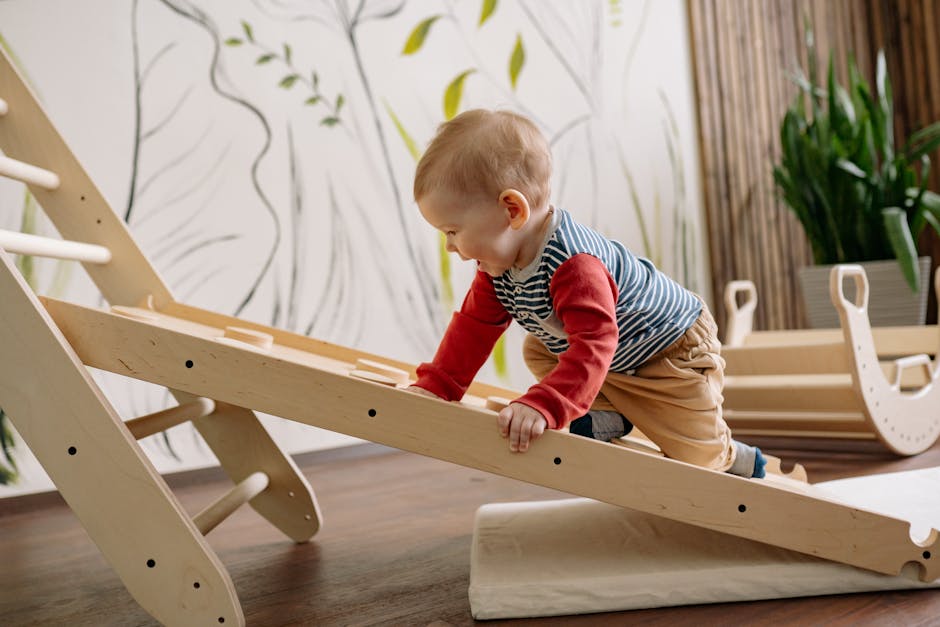
Big moving toys can be particularly effective in promoting physical activity. When your baby sees a toy that moves, their natural instinct is to chase after it. This kind of interaction encourages crawling, walking, or even running.
A friend once shared how her baby was initially hesitant to move. But after introducing a colorful, moving toy, the baby started to crawl more confidently. This shows how toys can motivate babies to overcome their initial reluctance to move.
Boosting Cognitive Skills Through Play
While physical development is important, toys also aid cognitive growth. Toys that move can help babies understand cause and effect. When a baby pushes a toy and it rolls away, they learn about action and reaction.
These toys often come with buttons or levers, encouraging problem-solving skills. Babies figure out how to make the toy move, stimulating their brain and enhancing cognitive development.
Creating Emotional Connections With Toys
Beyond physical and cognitive benefits, toys can help babies form emotional bonds. When your baby interacts with a toy, they often express joy or frustration, learning to manage emotions. This interaction fosters emotional intelligence.
Think of the joy your baby shows when they finally catch a moving toy. It's not just a fun moment; it's a small victory, boosting their confidence and emotional well-being.
Choosing The Right Toys For Your Baby
It's important to select toys that align with your baby's developmental stage. Look for toys that challenge them without causing frustration. A toy that's too advanced might discourage them, while one that's too simple might not engage them enough.
Observe how your baby interacts with different toys. This can give you insights into their interests and developmental needs. By choosing the right toys, you help your baby grow in a balanced and healthy way.
Have you noticed how certain toys inspire your baby to move or think differently? Share your experiences and see how toys can make a difference in your baby's development.

Credit: www.amazon.com
Types Of Big Moving Toys
Big moving toys can be a game-changer in encouraging babies to move. They captivate attention and motivate physical activity. Different types of these toys can engage babies in various ways, each fostering development and curiosity.
Push Toys
Push toys are fantastic for babies learning to walk. They offer support and balance, making those first steps less daunting. I remember when my niece took her first steps pushing a colorful walker shaped like a lion. She giggled with every step, gaining confidence with every push.
These toys often come with interactive features like buttons and sounds. This not only engages your baby’s motor skills but also stimulates their senses. Does your little one love vibrant colors and sounds? A push toy might just be what they need to get moving!
Ride-on Toys
Ride-on toys are perfect for slightly older babies ready to explore. They help develop coordination and strength as your child learns to steer and move. My friend’s toddler couldn’t get enough of his ride-on car, zipping around the living room with endless joy.
These toys come in different styles, from cars to animals. Some even have music or sound effects, enhancing the fun. Would your child enjoy being a little explorer in their own ride-on adventure?
Interactive Playsets
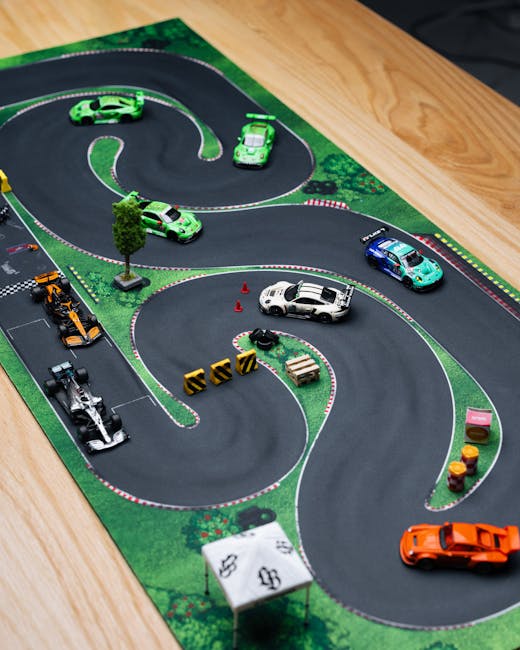
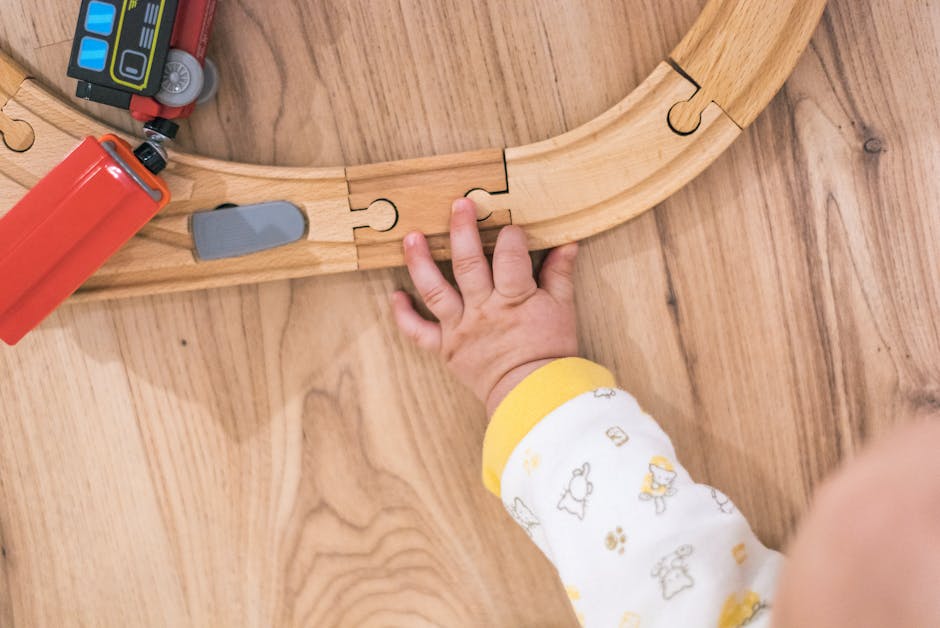
Interactive playsets offer a world of discovery. They often include tracks, ramps, and moving parts that intrigue little minds. One playset I gifted to a family was a simple ramp with cars that zoomed down with a satisfying clatter. The child spent hours pushing the cars up and watching them race down.
These playsets encourage crawling, reaching, and problem-solving. They invite your baby to experiment and learn through play. Could an interactive playset spark your baby’s curiosity and movement?
Choosing the right big moving toy depends on your child's interests and developmental stage. Whether it's a push toy, ride-on, or interactive playset, each offers unique ways to inspire movement. Which type of big moving toy will you introduce to your little one to get them moving and exploring their world?
Benefits Of Big Moving Toys
Big moving toys can spark joy and curiosity in babies. These toys encourage physical activity and learning in young children. Parents often wonder how toys can impact their child's development. Let's dive into the benefits of big moving toys for your little one.
Physical Growth
Big moving toys support physical growth by encouraging movement. Babies learn to crawl, walk, and stretch to reach these toys. Active play helps build strong muscles and bones. It also improves balance and coordination in growing children. With frequent use, these toys can promote healthy physical development.
Motor Skills Enhancement
These toys are excellent for enhancing motor skills. Babies develop hand-eye coordination by interacting with moving parts. They practice grasping, pushing, and pulling motions. Each movement refines their motor abilities. Encouraging play with big moving toys helps refine these essential skills.
Cognitive Development
Big moving toys stimulate cognitive growth. Babies engage their minds by exploring toy features. They learn cause and effect through toy movement. Problem-solving skills develop as they figure out how toys work. Toys can spark imagination and creative thinking in young minds. Engaging with these toys helps babies learn and grow intellectually.
Choosing The Right Toys
Big moving toys can encourage babies to move. They grab attention and motivate crawling or walking. These toys spark curiosity and active play.
Choosing the right toys for your baby is more than just grabbing the cutest or most colorful option off the shelf. It's about understanding what will truly engage and inspire your little one to move and explore. The right toy can spark curiosity, encourage physical activity, and even aid in developmental milestones. But how do you choose the best one? Let's break it down.
Age Appropriateness
Selecting toys that match your baby's developmental stage is crucial. A toy that is too advanced might frustrate them, while something too simple might not hold their interest. For instance, soft, colorful balls are excellent for infants around six months old. They can bat at them and eventually learn to crawl after them. As babies grow, toys that encourage standing and walking, like push toys, become more suitable. Consider what skills your baby is currently developing. Are they starting to grasp objects? Opt for toys that are easy to hold. Are they learning to sit up or crawl? Look for toys that encourage movement and exploration. Observing your baby's interests can guide you in choosing toys that will nurture their growth.
Safety Considerations
Safety should always be at the forefront when picking toys. Check for any small parts that could pose a choking hazard, especially for babies under three years old. Ensure that all toys are sturdy and free from sharp edges or loose parts. Reading labels can provide vital information. Look for safety certifications and age recommendations. Always supervise playtime, especially when introducing a new toy. It's not just about preventing accidents; it's about watching how your baby interacts with the toy to ensure it's a good fit.
Material And Design
The materials and design of a toy can significantly impact its safety and appeal. Babies explore the world with all their senses, including taste, so opt for toys made from non-toxic, BPA-free materials. Wooden toys, for example, are durable and often free of harmful chemicals. Design matters too. Bright colors and interesting textures can captivate your baby's attention and encourage them to explore further. Consider toys with multiple uses, like stackable rings or nesting cups, which can keep your baby engaged as they grow. Think about how your baby will interact with the toy. Will it make noise, light up, or move? These features can excite your baby and encourage them to chase, push, or crawl towards the toy. Remember, the goal is to inspire movement and curiosity. Choosing the right toy isn't just about keeping your baby occupied. It's about fostering their development, encouraging movement, and ensuring a safe, engaging play environment. Which toy will you choose to inspire your baby's next big move?
Encouraging Baby Movement
Watching your baby take their first steps is a moment you'll never forget. But how do you encourage your little one to start moving? Big moving toys could be the key. These toys capture your baby's attention and motivate them to reach, crawl, or walk. It's all about creating an environment that excites and invites movement.
Creating Engaging Environments
Think of your home as a playground for your baby. Lay out colorful, moving toys that grab their attention. Use soft mats to create safe zones where they can explore freely. Why not switch up the layout once in a while? A change in scenery can spark new interest and movement. Remember, the more visually stimulating the space, the more your baby will want to move.
Active Playtime Strategies
Set aside time each day for active play. Introduce toys that move, like balls or cars, to encourage crawling or walking. What happens when you roll a ball across the floor? Your baby might start crawling to catch it! Use simple games, like “follow the leader,” to encourage movement. Active playtime isn't just about toys; it's about creating fun and interactive experiences.
Parental Involvement
Your involvement is crucial. Sit on the floor and engage directly with your baby. Clap your hands when they crawl or cheer when they stand. These gestures show them they're doing something right. Why not join them in their play? Your presence can be the biggest motivator. Are you ready to make their playtime more exciting and rewarding?
Encouraging movement in your baby is all about creating exciting opportunities. Are you ready to see your little one take those first steps? Start today by making your environment engaging, playtime active, and yourself involved. Let's turn every moment into a moving adventure!
Real-life Examples And Case Studies
Big moving toys can play a pivotal role in encouraging babies to move. Such toys captivate the attention of young ones, sparking their curiosity. But how does this work in real life? Let's delve into some real-life examples and case studies that illustrate their impact.
Case Study: The Rolling Ball Experiment
Parents introduced a brightly colored rolling ball to their baby. This ball moved with a gentle nudge, creating a dynamic environment. The baby was intrigued. He began crawling to reach the ball, strengthening his muscles in the process. Within weeks, he became more mobile and adventurous.
Real-life Example: The Dancing Robot
A family shared their experience with a dancing robot toy. The toy played music and danced around the room. Their baby started mimicking the robot's movements. This encouraged her to stand and sway with the music. Over time, her balance and coordination improved significantly.
Case Study: Interactive Toy Car Race
In another scenario, an interactive toy car was introduced. The car zoomed across the floor, inviting a chase. The baby eagerly followed, crawling at first. As his confidence grew, he attempted to walk. This playful interaction boosted his physical development and confidence.
Real-life Example: The Spinning Top
A spinning top fascinated a toddler with its vibrant colors. Each spin drew the child closer. She reached out, trying to catch it. This simple game improved her hand-eye coordination. Her parents noticed her improved dexterity and quicker reflexes.
Case Study: The Musical Activity Table
An innovative musical activity table caught the attention of a young boy. It played tunes when buttons were pressed. He explored each button, standing and moving around the table. This activity enhanced his motor skills and auditory senses.
Expert Opinions
Big moving toys might help babies become more active. Experts suggest these toys can encourage crawling and reaching. Watching the toys move can grab a baby's attention, sparking curiosity and movement.
When it comes to understanding how big moving toys can inspire babies to move, insights from experts provide a wealth of valuable information. Their perspectives shed light on how these toys can play a crucial role in encouraging physical development. Let's explore what child development specialists and toy designers have to say.
Child Development Specialists
Child development specialists emphasize the importance of movement in early life. They believe that big moving toys can motivate babies to practice essential skills like crawling, standing, and walking. These toys capture a baby's attention, making them eager to reach out, push, or pull. For instance, Dr. Emily Hartwell, a renowned child psychologist, shares that babies are naturally curious. Big toys that move can harness this curiosity, encouraging them to explore their environment. This exploration is key to developing muscle strength and coordination. Imagine your baby reaching out for a colorful spinning toy. The simple act of reaching can strengthen their upper body. Isn't it fascinating how a toy can transform into a tool for growth?
Toy Designers
Toy designers play a pivotal role in creating engaging toys that appeal to a baby's senses. They focus on combining movement with bright colors and sounds to capture a baby's interest. Their designs are not just about entertainment; they are about stimulating development. Sarah Jensen, a leading toy designer, explains how she incorporates movement into her creations. She notes that toys with wheels or parts that spin can encourage babies to chase or follow. This active pursuit can boost both physical and cognitive development. Consider a toy car that zooms across the floor. As your baby crawls after it, they're not just playing—they're improving their agility and spatial awareness. It's a playful chase that benefits their growth. Have you ever noticed how a simple toy can ignite a spark of joy and determination in your little one? Think about how you can use these insights to choose toys that will motivate your baby to move. Experts agree that the right toys can make a significant difference. Are you ready to help your baby take their first steps towards an active lifestyle?
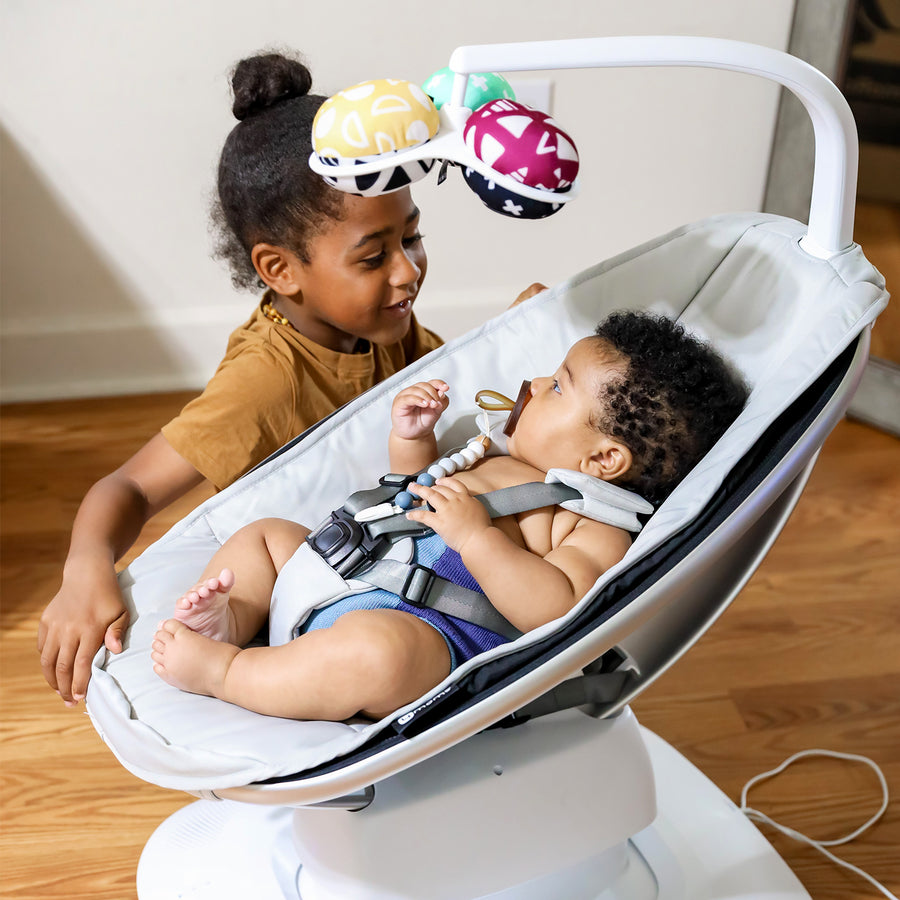
Credit: www.4moms.com
Frequently Asked Questions
How Do Big Moving Toys Help Babies Develop?
Big moving toys stimulate babies' senses and encourage physical activity. They promote motor skills development, balance, and coordination. These toys also engage a baby's curiosity and imagination, encouraging exploration. By interacting with big moving toys, babies can learn cause and effect, enhancing cognitive development.
Overall, these toys support holistic growth.
What Age Is Suitable For Big Moving Toys?
Big moving toys are generally suitable for babies aged six months and older. At this age, babies typically begin to sit up and show interest in exploring their environment. Ensure toys are age-appropriate and safe, with no small parts. Always supervise playtime to prevent accidents or injuries.
Are Big Moving Toys Safe For Babies?
Yes, big moving toys can be safe when chosen carefully. Ensure the toys are sturdy, non-toxic, and free of small parts. Regularly inspect toys for damage or wear. Supervise your baby during playtime to prevent accidents. Always follow the manufacturer's age recommendations and safety guidelines for optimal safety.
What Types Of Moving Toys Are Best For Babies?
Push toys, ride-on toys, and activity centers are great for babies. Push toys help develop walking skills and balance. Ride-on toys promote coordination and gross motor skills. Activity centers offer interactive features that engage a baby's senses. Always choose age-appropriate toys to ensure safety and developmental benefits.
Conclusion
Big moving toys can truly inspire babies to move more. They capture attention with their bright colors and motions. Babies learn to crawl, reach, and explore. This early movement helps build strength and coordination. Parents can see the joy and curiosity in their little ones.
It's a simple way to support physical development. Choosing the right toy is important. It should be safe and engaging. As babies play, they also grow and learn. Parents can enjoy watching their babies discover new skills. Toys are more than just fun; they are tools for growth.