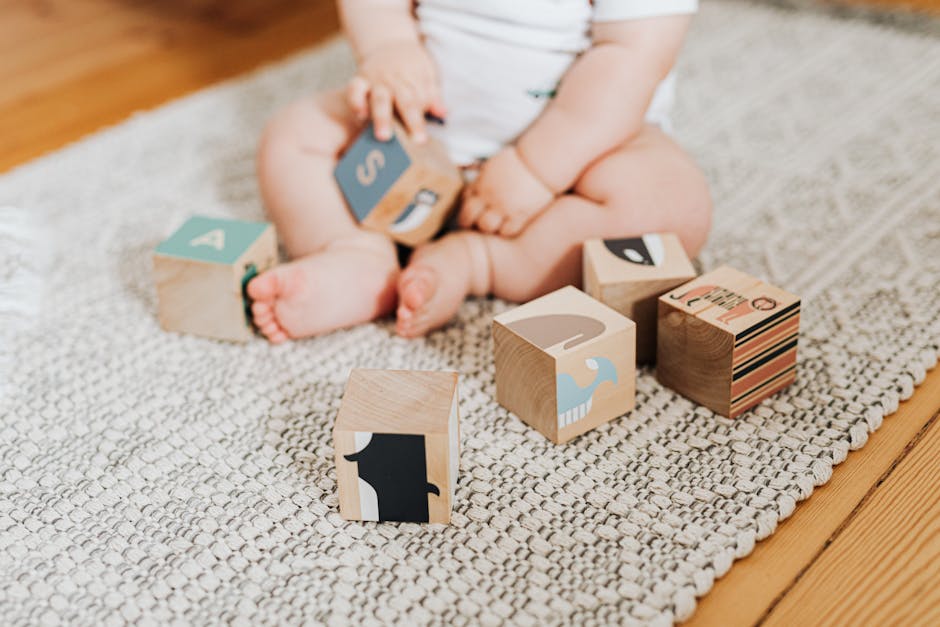
Are you looking at that pile of baby toys and wondering how to keep them germ-free? As a parent, ensuring the safety and cleanliness of your child's toys is a top priority.
But can you use bleach to get the job done? It's a common question with an answer that might surprise you. Using bleach might seem like a quick fix, but is it the safest option for your little one’s playthings?
Dive into this article to discover the truth about cleaning baby toys with bleach. We'll explore the do's and don'ts, ensuring you're equipped with the right knowledge to keep those toys safe for play. Ready to find out more? Let’s get started!

Credit: www.clorox.com
Bleach And Toy Safety
Cleaning baby toys with bleach can be safe if done correctly. Dilute bleach with water, ensuring it’s mild. Rinse toys thoroughly to remove residue and prevent skin irritation.
Cleaning baby toys is a task every parent faces, often leading to questions about the safest methods. Bleach is a common household cleaner, but is it safe for your child's toys? Understanding the safety implications of using bleach on baby toys can help you make informed decisions, ensuring your little one's playtime remains both fun and safe.
Understanding Bleach Composition
Bleach is a powerful disinfectant, primarily composed of sodium hypochlorite. Its ability to kill germs is unmatched, which is why many people consider it for cleaning toys. You might wonder if its strength also makes it a suitable choice for ensuring your child's toys are germ-free. However, despite its disinfecting power, bleach can leave residues. Even after thorough rinsing, traces might remain, which may pose risks. So, it's crucial to understand if the benefits outweigh the potential drawbacks when cleaning items your baby frequently touches.
Potential Risks For Babies
Using bleach on toys can pose risks, especially if not used correctly. Babies explore the world by putting things in their mouths. Imagine if a toy hasn't been rinsed properly; the residue might lead to irritation or other health issues. Consider the materials of your baby's toys. Many toys are made of porous materials that can absorb bleach, making it challenging to remove entirely. This absorption can be risky for your baby. Always think about whether the potential risk is worth the cleanliness bleach promises. Would you feel confident letting your baby play with toys cleaned with bleach? Or would you consider gentler alternatives like soap and water or baby-safe cleaning solutions? It's worth pondering these questions for your child's safety.

Credit: moonkieshop.com
Sanitizing Alternatives
Keeping baby toys clean is essential for a healthy environment. While bleach is effective, it might not be ideal for everyone. Some parents seek gentler, yet effective methods. Below are alternatives to consider for sanitizing baby toys safely.
Natural Cleaning Solutions
Vinegar serves as a powerful cleaner. Its acidity kills many germs. Mix equal parts of water and vinegar in a spray bottle. Spray it on toys and wipe with a clean cloth. Let the toys air dry before use. Lemon juice is another option. Its natural acids can break down germs. Squeeze fresh lemon juice over the toys. Rinse thoroughly with water.
Using Soap And Water
Soap and water are simple yet effective. Fill a basin with warm water. Add a few drops of mild dish soap. Submerge the toys in the soapy water. Use a soft brush to scrub away dirt. Rinse the toys well under running water. Let them dry completely before giving them back to your child.
Bleach Usage Guidelines
Cleaning baby toys with bleach is safe if done correctly. Use a diluted bleach solution, rinsing thoroughly to remove residue. Ensure toys dry completely before use to keep them safe for little ones.
Bleach can be a powerful cleaning agent for sanitizing baby toys. It's essential to understand how to use it safely. The right guidelines ensure effective cleaning without harming your baby. Bleach kills germs. But, improper use can damage toys or pose risks. Before using bleach, check the toy's material. Some materials may not be suitable for bleach cleaning. Always read labels for safety instructions. When using bleach, follow specific guidelines to maintain safety and effectiveness.
Dilution Instructions
Proper dilution is key to safe bleach use. For toys, use a mild solution. Mix one tablespoon of bleach with one gallon of water. This ratio is safe for cleaning and disinfecting. Ensure the bleach is well mixed with water. Test the solution on a small part of the toy first. This prevents damage. Never use undiluted bleach on toys. It can cause harm to the toy and your child. Diluted bleach is effective in killing germs. It's safe when used correctly.
Application Techniques
Apply the bleach solution using a clean cloth. Dip the cloth in the solution. Wring out excess liquid. Wipe the toy gently. Cover all surfaces. Avoid soaking the toy in bleach solution. This can damage some toys. Rinse the toy with clean water after wiping. This removes any bleach residue. Air-dry the toy completely before use. Ensure no bleach remains on the toy. Proper application ensures safety and cleanliness. Keep bleach out of children's reach. Store it safely. Follow these guidelines for a clean and safe environment for your baby.
Safety Precautions
Cleaning baby toys with bleach requires caution. Dilute bleach properly to ensure safety, using one tablespoon in one gallon of water. Rinse toys thoroughly after cleaning to remove any residue, keeping your baby's health protected.
Cleaning baby toys with bleach ensures they stay germ-free. But safety comes first. Taking precautions helps keep your child safe from harmful chemicals. Always follow these safety tips for a worry-free cleaning experience.
Ventilation And Protective Gear
Proper ventilation is crucial when using bleach. Open windows or doors to let fresh air in. This reduces the risk of inhaling fumes. Wear gloves to protect your skin. Bleach can irritate sensitive skin. Consider wearing a mask if you're sensitive to strong smells. Protective gear adds an extra layer of safety.
Avoiding Residue
Rinse toys thoroughly after cleaning with bleach. This prevents any residue from lingering. Residue can be harmful if ingested. Soak the toys in water for a few minutes. Then, rinse them again to ensure no bleach remains. Dry toys completely before giving them back to your child. This ensures they are safe and ready for use.
Frequency Of Cleaning
Cleaning baby toys regularly is essential for maintaining a healthy environment. Babies explore the world through touch and taste. Toys often end up in their mouths or on the floor. Germs can accumulate quickly if toys aren't cleaned often enough. Understanding the frequency of cleaning helps keep these items safe.
Daily Cleaning Practices
Cleaning toys daily is ideal, especially for frequently used items. Wipe down toys with a damp cloth to remove visible dirt. Use a safe disinfectant spray or wipes for added cleanliness. Focus on toys your baby uses during meals or outdoor play. This routine prevents the spread of germs effectively.
Deep Cleaning Schedule
Deep cleaning involves using bleach or other strong disinfectants. Schedule this task weekly for optimal hygiene. Soak plastic toys in a bleach solution, following safety guidelines. Rinse thoroughly to remove any bleach residue. Fabric toys can be machine washed with hot water. Ensure toys are completely dry before returning them to your baby. This process eliminates stubborn germs and keeps toys fresh.

Credit: www.clorox.com
Toy Material Considerations
Cleaning baby toys with bleach is possible but requires caution. Dilute bleach properly and rinse toys thoroughly afterward to ensure safety. Always check toy labels for cleaning instructions.
Cleaning baby toys can be a daunting task, especially when considering the different materials they are made from. You want to ensure that the cleaning process is effective yet safe for your little one. Understanding how bleach interacts with various toy materials is crucial before you grab that cleaning bottle. Let's delve into the specifics of cleaning plastic, fabric, and plush toys with bleach.
Plastic Toys
Plastic toys are quite common in every household. They are durable and can withstand heavy-duty play. However, when it comes to cleaning them with bleach, you need to be cautious. Bleach is effective in killing germs, but it can be harsh. Always dilute bleach before using it on plastic toys. A simple solution of one tablespoon of bleach per gallon of water is usually safe. After cleaning, rinse the toys thoroughly to remove any bleach residue. This ensures that no harmful chemicals are left behind. If your child loves chewing on toys, this step is vital. Remember, safety first!
Fabric And Plush Toys
Fabric and plush toys are a different ball game. These cuddly companions often get a free pass on the bleach treatment due to their delicate nature. Bleach can easily damage the fabric, causing colors to fade or fibers to weaken. Instead, consider spot cleaning with a mild detergent or soap. Machine washing with hot water can also be effective for plush toys. Add a gentle cycle with a fragrance-free detergent. This method keeps them clean without the harshness of bleach. Plus, it’s a safer option for those adorable toys your baby loves to snuggle with. So, what do you think? Are you ready to tackle those toy cleaning challenges with confidence, knowing the right methods for each material? Safety and effectiveness go hand in hand when it comes to cleaning baby toys.
Expert Opinions
Bleach can kill germs on baby toys, but experts warn about its potential risks. It's essential to dilute bleach properly and rinse toys thoroughly to avoid harmful residue. Consider safer alternatives like soap and water for regular cleaning.
When it comes to keeping your baby safe, cleanliness is paramount. But is bleach the right solution for disinfecting baby toys? There’s a lot of debate, so let's dive into what the experts have to say. You'll want to make informed choices that protect your little one without compromising the environment or health.
Pediatrician Advice
Pediatricians often emphasize safety and effectiveness in cleaning products. They suggest avoiding bleach for baby toys due to its harsh nature. Instead, they recommend mild soap and water for regular cleaning. You might find pediatricians advocating for vinegar or baking soda as natural alternatives. These options are less likely to cause irritation or allergic reactions. So, why take chances with bleach when safer options exist?
Environmental Health Insights
Environmental health experts raise concerns about bleach's impact beyond immediate safety. Bleach can release harmful fumes and residues that linger in your home. Consider how these chemicals could affect your baby's respiratory health. Experts suggest exploring eco-friendly alternatives. Options like steam cleaning or using plant-based disinfectants offer effective cleaning without harmful chemicals. You’ll not only protect your baby but also contribute to a healthier planet. Isn’t it time to rethink how you clean those adorable toys? Evaluating expert opinions can guide you to safer cleaning practices. What changes will you make today for a safer tomorrow?
Frequently Asked Questions
Is It Safe To Clean Baby Toys With Bleach?
Yes, you can use bleach to clean baby toys. Ensure it's properly diluted, typically one tablespoon per gallon of water. Rinse thoroughly with water after cleaning to remove any bleach residue. Always check the toy's material for compatibility with bleach.
Air-dry toys completely before giving them back to your child.
How Do I Properly Dilute Bleach For Cleaning?
To dilute bleach for cleaning baby toys, mix one tablespoon of bleach with one gallon of water. This creates a safe solution for disinfecting. Use a clean cloth or sponge to wipe the toys. After cleaning, rinse them thoroughly with water and let them air-dry completely.
Can Bleach Damage Certain Types Of Baby Toys?
Yes, bleach can damage some toys, especially those made of fabric or foam. Always check the toy's care instructions before using bleach. Test a small, hidden area first if unsure. For delicate toys, consider using a milder cleaning solution like soap and water instead.
What Are Alternatives To Using Bleach On Toys?
Alternatives to bleach include vinegar, baking soda, or mild dish soap. These are effective and safe for most toys. Simply mix with water and clean as usual. Rinse thoroughly and let the toys air-dry. These natural cleaners are gentle and reduce chemical exposure for your child.
Conclusion
Cleaning baby toys with bleach can be safe. But follow guidelines carefully. Dilute bleach properly to avoid harm. Rinse toys thoroughly after cleaning. Ensure no bleach residue remains. Let toys dry completely before use. Always prioritize baby's health and safety.
Regular cleaning keeps toys germ-free. Use bleach sparingly and wisely. Explore other cleaning options too. Vinegar and soap are gentler alternatives. Keep your baby's play area hygienic. Clean toys often for peace of mind. Your baby deserves a clean, safe environment.
Happy parenting and safe cleaning!