



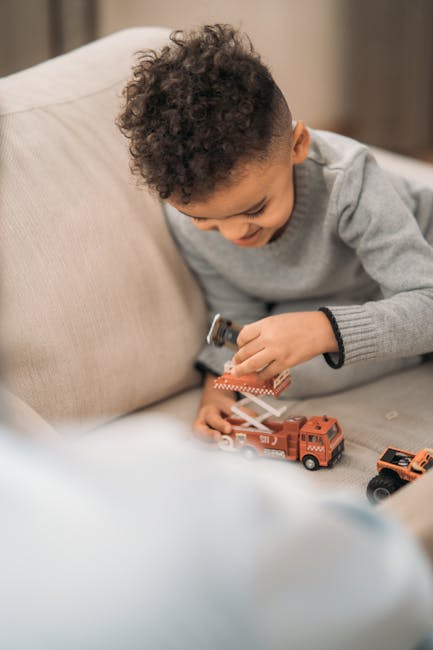
Imagine turning playtime into a powerful learning opportunity for your child. Toys, those colorful and intriguing objects, can be more than just fun distractions.
They can be your secret tool for teaching discipline. As a parent, you know that instilling discipline in your child is crucial, yet it often feels like a daunting task. But what if I told you that you could make this journey enjoyable and engaging?
By using toys strategically, you can teach your child valuable lessons about responsibility, patience, and self-control without them even realizing they're learning. Intrigued? Keep reading to discover simple, effective ways to transform playtime into a discipline-building adventure for your little one.
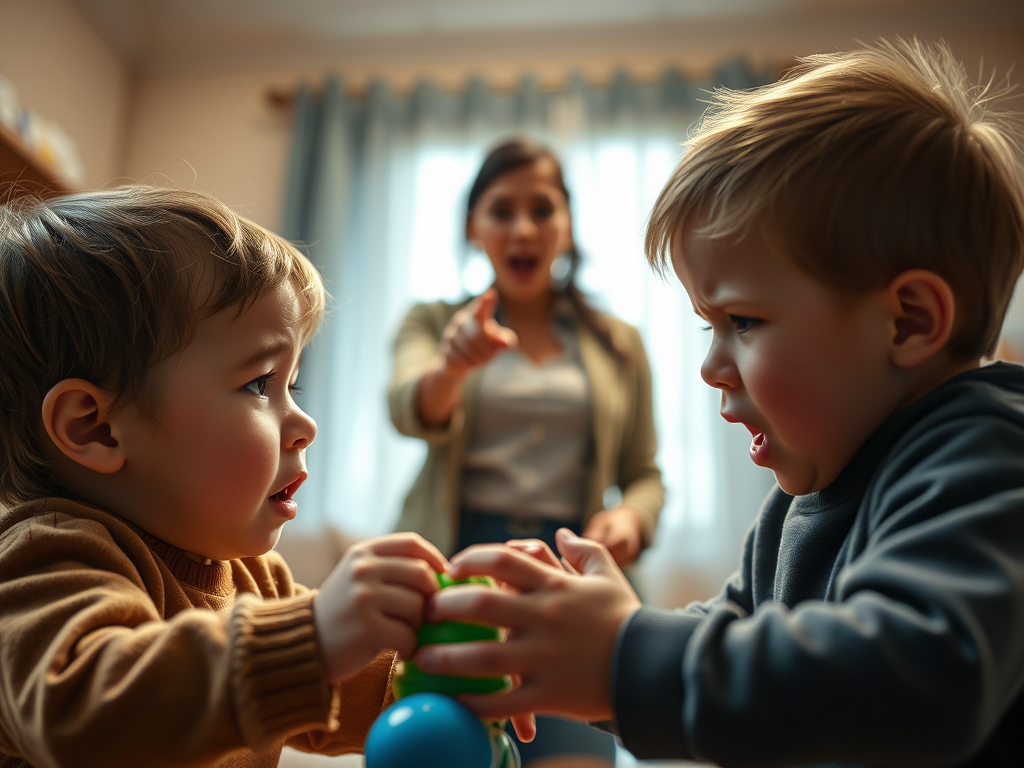
Credit: resourcesforchristiandiscipline.com
Benefits Of Teaching Discipline Through Play
Teaching discipline through play with toys fosters learning in a fun way. Children learn patience and sharing, enhancing their social skills. This playful approach encourages understanding of rules and boundaries naturally.
Teaching discipline through play offers a unique blend of fun and learning, making it an effective way to instill important life skills in children. Playful activities keep children engaged, reducing resistance to learning rules and boundaries. As you introduce toys in the learning process, children develop social skills, understand consequences, and learn to make decisions.
Interactive Learning
Toys create a dynamic environment where children can learn discipline interactively. When children play with building blocks, they practice patience and focus, crucial aspects of discipline. They learn to follow instructions and see the results of their efforts. Consider a simple board game. Children learn to wait for their turn, follow rules, and handle winning or losing gracefully. These experiences teach them self-control and resilience.
Developing Social Skills
Playing with toys in groups encourages children to communicate and collaborate. They learn to share, negotiate, and compromise, essential social skills for disciplined behavior. Think about a group of children building a puzzle together. They engage in teamwork, learn to listen to each other, and understand the importance of working towards a common goal. This nurtures respect and empathy, forming the foundation for disciplined interactions.
Understanding Consequences
Through play, children experience the consequences of their actions in a safe environment. If a child knocks over a tower of blocks, they understand the impact of their actions and learn to be careful next time. Role-playing games allow children to explore different scenarios, helping them understand cause and effect. They learn that decisions lead to outcomes, a key aspect of disciplined decision-making.
Building Decision-making Skills
Toys that offer choices, like puzzle games or construction sets, enhance decision-making skills. Children decide which piece fits or how to build a structure, fostering independent thinking. When children choose how to play, they learn to assess situations, make choices, and accept the results. This nurtures self-discipline and confidence in their ability to make decisions.
Promoting Emotional Regulation
Playing with toys can help children manage emotions. They learn to cope with frustration if a game doesn't go as planned or excitement when they succeed. Consider a child playing a challenging video game. They experience highs and lows, learning to regulate their emotions and stay calm under pressure. This emotional regulation is integral to disciplined behavior.
Creating A Positive Learning Environment
Using toys to teach discipline creates a positive and enjoyable learning atmosphere. You can transform discipline from a daunting concept into a rewarding experience for your child. Imagine your child eagerly playing with educational toys. They're learning discipline without even realizing it, associating positive emotions with structured activities. This encourages a lifelong love for learning and growth. Do you remember a time when a toy taught you something unexpected? Perhaps it was patience or collaboration. These moments are powerful reminders of how play can be a valuable teacher. As you guide your child through play, consider the long-term benefits that disciplined play can offer.
Choosing The Right Toys
Choosing the right toys is crucial in teaching discipline to children. Toys are not just for fun. They are powerful tools for learning. The right toys can teach patience, sharing, and self-control.
When selecting toys, consider how they can aid in developing these skills. Toys that encourage problem-solving and cooperation are particularly effective. They challenge children and promote positive behavior.
Age-appropriate Options
Always select toys that match your child's age and development stage. Younger kids need simple toys. Blocks and stacking rings are great for them. Older children enjoy puzzles and board games. These toys require more patience and strategy.
Age-appropriate toys ensure children stay engaged. They prevent frustration and boredom. This enhances learning experiences and fosters good behavior.
Multi-purpose Toys
Multi-purpose toys offer numerous learning opportunities. They serve different roles in play. A single toy can teach counting, colors, and even sharing. Building blocks, for instance, are versatile. Children can stack, count, and share them with friends.
These toys also grow with the child. As skills develop, their uses expand. This versatility keeps children interested longer. Multi-purpose toys provide continuous learning and help teach discipline effectively.
Incorporating Role-playing Games
Incorporating role-playing games in teaching discipline can be powerful. Children learn by playing. Through role-play, they can explore real-life situations. This method makes learning engaging and memorable. Role-playing games are more than just fun. They help children understand the importance of discipline. These games foster creativity, empathy, and responsibility.
Creating Real-life Scenarios
Role-playing can mimic real-life situations. Children can act out scenes with toys. For instance, a child can play as a teacher. Another can be a student. This helps them grasp the roles of authority and rules. These scenarios teach children the importance of following instructions. They learn what happens when rules are broken. Role-playing provides a safe space to explore consequences.
Encouraging Empathy And Responsibility
Role-playing games also teach empathy. Children step into different roles. They understand how others feel. This promotes kindness and compassion. When children play different roles, they learn responsibility. They see how their actions affect others. This understanding is crucial for developing discipline. Toys become tools for teaching life lessons. Responsibility becomes a natural part of play. Children learn to care for their toys. They treat their playmates with respect. Through play, discipline becomes second nature.
Using Board Games For Patience
Board games help children learn patience through turn-taking and waiting. They cultivate discipline by encouraging focus and strategy. Toys like these teach valuable life skills in a fun and engaging manner.
Using board games to teach patience can be a fun and educational approach for both children and adults. Board games require players to wait for their turn, make thoughtful decisions, and accept outcomes. These elements naturally instill patience and discipline. Imagine the excitement of winning a game, balanced with the humility of losing gracefully. This dynamic can offer valuable life lessons.
Turn-taking Skills
Board games are excellent for teaching turn-taking skills. They require you to wait patiently while others make their moves. This can be especially helpful for young children learning to share attention and time. Games like "Chutes and Ladders" or "Candy Land" are simple yet effective. They encourage kids to develop patience as they eagerly wait for their chance to roll the dice. This waiting period builds anticipation and self-control. For adults, complex games like "Settlers of Catan" also demand patience. They require strategic planning and waiting for the right moment to make a move. Can you think of a game where you had to hold back to achieve a long-term goal?
Handling Wins And Losses
Wins and losses in board games teach valuable lessons in humility and resilience. Winning brings joy, but losing offers a chance to improve. How you react to both can reflect your emotional discipline. Games like "Monopoly" can spark intense competition. These moments are perfect opportunities to practice handling emotions. Losing gracefully or congratulating others on their win can teach empathy and sportsmanship. Kids and adults alike can learn from these experiences. Celebrate victories without boasting, and view losses as learning opportunities. How do you handle a loss? Consider how your reaction could set an example for those around you.
Building Routines With Toys
Building routines with toys can make learning discipline fun for children. Toys serve as a playful tool to teach children the importance of following a routine. They help instill habits in a way that feels natural and engaging. Using toys, parents can create structured environments that children enjoy.
Morning And Nighttime Rituals
Mornings can start with a toy alarm clock. Children wake up with a smile, excited to see their favorite toy. A toy toothbrush makes brushing teeth less of a chore. Bright colors and fun shapes encourage children to brush eagerly. At night, a stuffed animal can signal bedtime. Children snuggle with their toy, feeling comforted and ready for sleep.
Organizational Skills
Toys can teach children to organize their belongings. A toy box helps them learn to put things away. Sorting toys by color or type turns cleanup into a game. Children develop a sense of order naturally. Puzzle toys require pieces to fit together. They teach children how to follow steps and stay organized. These activities build important organizational skills.
Outdoor Play For Teamwork
Outdoor play is a powerful tool for teaching discipline. It goes beyond just physical activity. It fosters teamwork among children. Through outdoor play, kids learn essential social skills. They discover the importance of working together. These activities help them develop respect and patience. They also learn the value of communication and cooperation. These skills are vital for their growth.
Cooperative Games
Cooperative games teach children to work in harmony. These games require joint effort to succeed. Tug-of-war is a classic example. It encourages kids to strategize as a team. Relay races are another engaging option. They promote quick thinking and collaboration. Building a human pyramid challenges balance and trust. Kids learn to rely on each other. These games build a sense of unity.
Trust-building Activities
Trust-building activities are crucial for teamwork. They help children develop confidence in others. The trust fall is a simple yet effective exercise. One child falls backward, trusting peers to catch them. This activity strengthens trust bonds. Blindfolded obstacle courses offer another challenge. Kids guide their blindfolded friends through obstacles. They rely on verbal instructions. This enhances communication and trust.
Incorporating Technology Wisely
Incorporating technology wisely in children's toys can teach discipline. Technology offers interactive learning experiences. Parents can choose toys with educational features. These toys can guide children to learn while having fun. The right balance can make technology a helpful tool for discipline.
Educational Apps
Educational apps can be a great addition to toys. They offer diverse learning activities. Apps can teach math, science, and language skills. Some apps even include problem-solving games. Choose apps that align with your child's interests. This encourages learning and keeps them engaged.
Screen Time Management
Managing screen time is essential for discipline. Limit the time spent on screens. Set specific times for playing with tech toys. Use timers to help children understand limits. Teach them to balance screen time with other activities. This helps develop self-control and discipline.

Credit: www.avera.org
Crafting A Reward System
Toys can be a helpful tool in teaching discipline to children. Offering toys as rewards encourages positive behavior. This method helps kids understand the value of good actions while enjoying playtime.
Crafting a reward system can transform the way you teach discipline to your child. It’s about recognizing their effort and guiding their behavior through positive reinforcement. By using toys as rewards, you not only motivate your child but also make the learning process enjoyable. Let’s dive into how you can create an effective reward system using toys.
Positive Reinforcement
Positive reinforcement is crucial in shaping your child's behavior. When your child completes a task or behaves well, rewarding them with a toy can reinforce that good behavior. Think about a time when you gave your child a toy as a reward. Notice how their face lit up? That joy makes them want to repeat the behavior that earned them the reward. It’s a powerful tool! Consider using toys your child already loves. This makes the reward even more enticing. A sticker or a small action figure can work wonders.
Setting Achievable Goals
Setting achievable goals is essential for your reward system to succeed. If the goals are too difficult, your child might feel discouraged. On the other hand, simple goals lead to quick wins and motivate them. Start with small tasks. If your child struggles to tidy their room, break it down. Ask them to put away toys first. Once they achieve this, reward them with a toy they've been eyeing. Use a chart to track progress. This visual aid helps your child see how close they are to earning a reward. It builds anticipation and excitement. How do you ensure the goals you set are realistic? Observe your child’s capabilities and interests. Tailor the goals to suit them. This approach makes discipline a fun and rewarding journey. Crafting a reward system using toys requires thoughtful planning but can be incredibly effective. Have you tried using toys as rewards? How did your child respond?
Parental Involvement
Parental involvement is key in using toys to teach discipline. Parents guide children in understanding the value of discipline. Toys become tools for learning when parents actively participate. This involvement shapes positive behaviors and habits in children.
Modeling Behavior
Children learn by watching their parents. Parents should model the behaviors they want to see in their children. Use toys to demonstrate sharing, patience, and respect. Show how to clean up toys after playtime. This sets a clear example for children to follow.
Encouraging Consistency
Consistency helps children understand expectations. Set clear rules for playtime and stick to them. Consistent rules help children learn boundaries and self-discipline. Use toys to practice these rules regularly. This repetition reinforces good habits and discipline.

Credit: www.instagram.com
Frequently Asked Questions
How Can Toys Teach Discipline To Children?
Toys can teach discipline by promoting responsibility and routine. When children play, they learn to follow rules and manage time. Structured play helps develop patience and self-control. Interactive toys encourage children to understand consequences, enhancing their decision-making skills. Toys that require care, like plants or pets, instill a sense of accountability.
What Types Of Toys Promote Discipline?
Educational toys, puzzles, and board games promote discipline by encouraging focus and patience. Strategy games help develop planning skills and decision-making. Arts and crafts kits require attention to detail and following instructions. Building sets foster creativity while teaching persistence and problem-solving.
These toys cultivate discipline through structured play and learning.
Can Toys Improve A Child's Behavior?
Yes, toys can improve behavior by teaching social skills and emotional regulation. Cooperative games encourage teamwork and communication. Role-playing toys help children understand empathy and perspective. Toys that require sharing foster kindness and patience. Through play, children practice positive behaviors, helping them develop better interpersonal skills and self-awareness.
Are Interactive Toys Effective For Discipline?
Interactive toys are effective for discipline as they engage children in active learning. They provide immediate feedback, helping children understand cause and effect. These toys stimulate critical thinking and problem-solving skills. By requiring attention and engagement, interactive toys help children develop focus, patience, and self-control, essential components of discipline.
Conclusion
Teaching discipline through toys offers many benefits. Kids learn while playing. Toys can guide behavior. They show consequences in a fun way. Parents see improvements. Children respond well to playful lessons. Challenges become manageable. Toys create a safe space for growth.
They turn discipline into a positive experience. Families bond over shared play. Skills develop naturally. This method encourages consistent learning. It blends fun with important values. Consider using toys for teaching discipline. They might be the tool you need. Simple but effective.
The journey of learning becomes enjoyable. Kids thrive and grow. All while having fun.


