

Imagine watching your baby take their first steps or utter their first words. These moments are milestones that mark their growth and development.
But did you know that the toys your baby plays with can play a significant role in reaching these milestones? It's true. The right toys can stimulate your baby's senses, enhance their motor skills, and boost their cognitive development. As a parent, you're always searching for the best ways to support your child's growth.
Understanding how toys impact baby milestones can be a game-changer in your journey. Dive into this article to discover how the toys you choose today can shape the future of your little one, making each playtime a stepping stone toward their next big achievement.
Credit: www.amazon.com
Importance Of Play In Early Development
Toys play a crucial role in early development by aiding in skill growth. They encourage babies to explore, enhancing motor skills and cognitive abilities. Through play, infants learn problem-solving and social interaction, laying a strong foundation for future milestones.
Play is a fundamental part of early childhood development, serving as a crucial vehicle for learning and growth. It’s through play that babies begin to explore their world, develop new skills, and achieve important milestones. Understanding the significance of play can help you better support your child's development and foster a love of learning from a young age.
What Does Play Look Like For Babies?
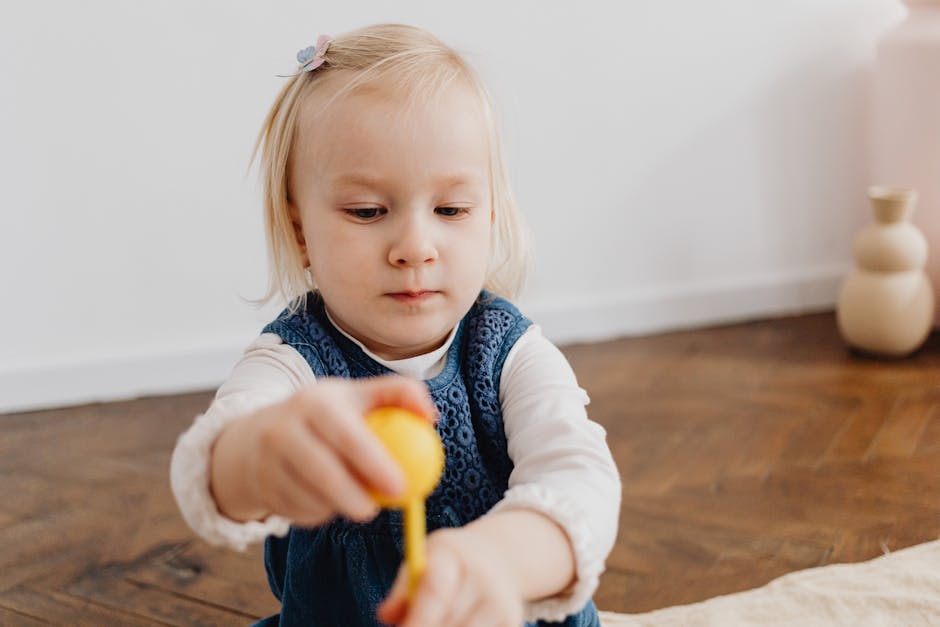
Play for babies might seem simple, but it's rich with learning opportunities. A baby reaching for a rattle is not just playing; they're practicing motor skills, eye-hand coordination, and discovering cause and effect. Observing your baby’s play can provide insights into their developmental stage and interests.
How Play Supports Cognitive Development
Through play, babies start to grasp basic concepts like object permanence and problem-solving. When a child hides a toy under a blanket and then finds it, they're developing memory and understanding that objects exist even when not seen. Simple games like peek-a-boo can stimulate these cognitive skills.
The Role Of Sensory Play
Sensory play is crucial for babies as it helps them learn about their environment through touch, taste, sight, sound, and smell. Providing toys with different textures, colors, and sounds can enhance sensory experiences. Have you noticed how a baby might prefer a particular toy? It's often because it engages their senses in a unique way.
Encouraging Social And Emotional Development
Play is not only about individual skills but also about learning to interact with others. Shared play with parents or other children can teach babies about communication and emotional expression. This interaction helps them understand emotions and develop empathy early on.
Physical Milestones Achieved Through Play
Toys that promote movement, like balls or push-along toys, encourage babies to crawl, stand, or walk. These activities build strength and coordination. Encouraging active play is vital for achieving these physical milestones.
Creating A Stimulating Play Environment
A safe and stimulating environment is essential for play. Keep a variety of toys accessible, but don’t overwhelm with too many options at once. Regularly rotating toys can keep your baby engaged and curious. Do you remember the first toy your child fell in love with? That toy likely played a significant role in their development. By understanding the importance of play, you can better support your baby’s journey through their milestones.

Credit: www.kidsclubchildcare.com.au
Choosing Age-appropriate Toys
Selecting age-appropriate toys boosts babies' growth by encouraging skills like crawling, grasping, and coordination. Toys tailored to developmental stages support physical, cognitive, and emotional milestones effectively. Engaging playthings offer delightful learning experiences, nurturing curiosity and fostering essential abilities.
Choosing toys that match your baby's developmental stage is crucial for fostering growth and learning. As parents, we often get excited about buying toys, but how do we ensure they're beneficial for our little ones? Selecting age-appropriate toys not only enhances your child's playtime but also supports their cognitive, emotional, and physical development. Let's dive into how to make the best choices for each stage of your baby's life.
Newborn Stage
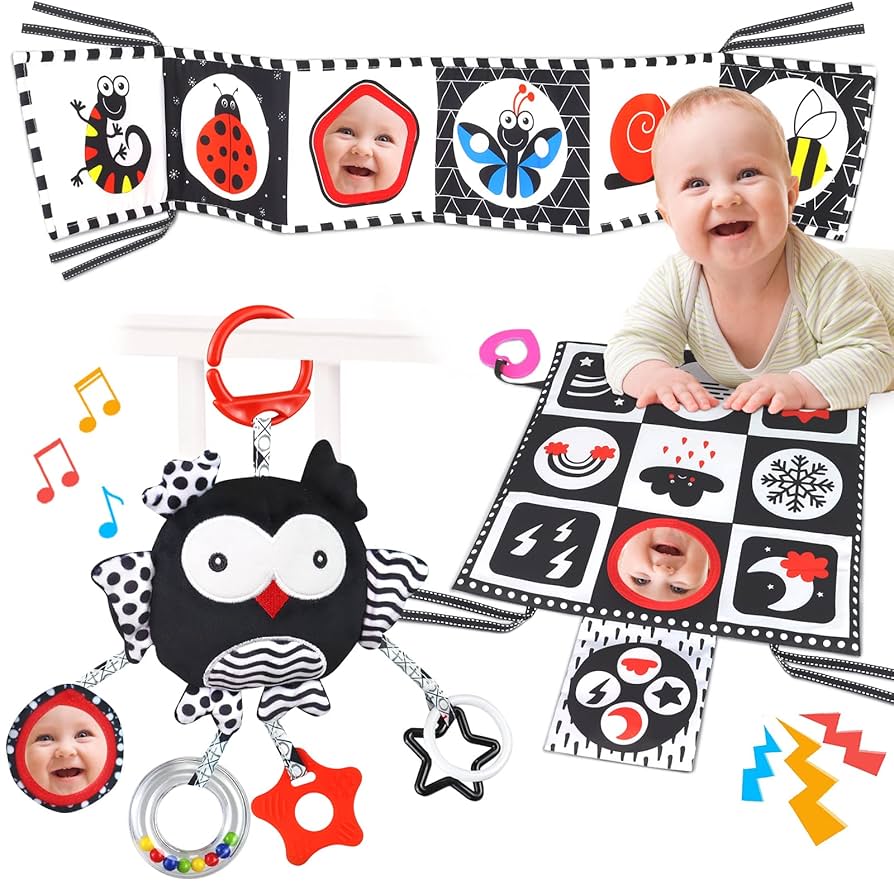
In the newborn stage, babies are just beginning to explore the world around them. Their vision is still developing, so high-contrast toys in black and white can capture their attention. Soft rattles and plush toys with different textures are perfect for tactile stimulation. They help babies develop their sense of touch and grip. Consider toys that make gentle sounds. They can soothe and calm your baby, and you'll notice how they start to turn their heads towards the source of the noise.
Infant Stage
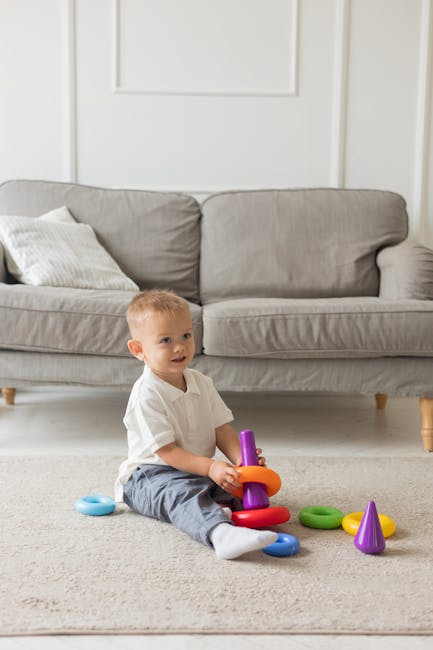
As your baby grows into the infant stage, their curiosity about their surroundings increases. Brightly colored toys with mirrors or small parts they can grasp are ideal. Stacking rings or soft blocks can encourage hand-eye coordination. Watch as your little one tries to stack or knock them over with glee. Musical toys are a hit at this age. Babies love the cause and effect of pressing buttons to produce sounds, which also aids in their auditory development.
Toddler Stage
Toddlers are always on the move, eager to explore and learn. Interactive toys that challenge their problem-solving skills, such as puzzles or shape sorters, are excellent choices. Introduce toys that promote creativity, like building blocks or simple art supplies. These toys allow your child to express themselves and develop fine motor skills. Consider ride-on toys or those that encourage physical activity. These not only provide endless fun but also help build strength and coordination. The right toys at the right time can make a world of difference in your child's development. Have you noticed how a particular toy has sparked your child's interest or helped them achieve a milestone? Share your experiences and connect with other parents on this journey of growth and discovery.
Sensory Development
The early years of a baby's life are crucial for sensory development. Toys play a vital role in stimulating senses and fostering growth. Sensory development helps babies understand the world around them. It lays the foundation for learning, communication, and interaction. Let's explore how toys impact baby milestones through sensory development.
Visual Stimulation
Brightly colored toys attract a baby's attention. They help improve focus and recognition. Toys with varied shapes and patterns enhance visual skills. Mobiles and picture books are excellent for visual stimulation. They encourage eye movement and tracking. Visual toys help babies differentiate colors and shapes.
Auditory Stimulation
Sound-producing toys are key in auditory development. Rattles and musical toys engage a baby's hearing. They introduce rhythm and tone variation. Listening to different sounds helps babies recognize patterns. Auditory toys assist in language comprehension and speech development. Music toys soothe and entertain babies.
Tactile Exploration
Touch is a primary way babies learn. Toys with diverse textures are essential. Soft, rough, and smooth surfaces stimulate tactile senses. They encourage exploration and curiosity. Blocks and plush toys enhance hand-eye coordination. Tactile toys support fine motor skills development.

Credit: www.instagram.com
Cognitive Skills Enhancement
Toys play a crucial role in enhancing cognitive skills in babies. They serve as tools for exploration and learning. Through play, babies develop their mental abilities in various ways. Understanding how toys contribute to cognitive development can help parents choose wisely.
Problem-solving Activities
Simple puzzles can boost problem-solving skills in babies. These toys challenge them to think critically. Babies learn to match shapes and fit pieces together. This process builds their logical reasoning. Stackable toys also introduce concepts like balance and order. When a tower falls, babies analyze and try again. This trial and error method enhances their analytical thinking.
Imaginative Play
Imaginative play allows babies to explore new scenarios. Dolls and toy animals become part of their stories. These toys encourage creativity and self-expression. Babies mimic real-life situations in their play. This helps them understand the world around them. Dress-up costumes add another layer to imaginative play. They help babies assume different roles and perspectives. This role-playing fosters empathy and social understanding.
Motor Skills And Coordination
Toys play a vital role in developing motor skills and coordination in babies. They encourage reaching, grasping, and crawling. Through play, babies learn essential movements that support their growth and milestones.
Motor skills and coordination are crucial for your baby's development. Toys play a significant role in helping your little one master these skills. Think about the joy you feel when you see your baby reaching for a toy or rolling a ball across the floor. These aren't just adorable moments; they are essential milestones that boost your baby's physical abilities and confidence. Toys provide the perfect platform for babies to practice and hone both fine and gross motor skills. Let's explore how they impact these areas.
Fine Motor Skills
Fine motor skills involve the use of small muscles in the hands and fingers. These skills are vital for tasks like picking up small objects and manipulating toys. Consider toys like stacking rings or building blocks. These require your baby to grasp, hold, and fit pieces together. Such activities improve hand-eye coordination and finger dexterity. Offer your baby toys that encourage pinching and grabbing. You'll notice the progress in their ability to handle everyday objects.
Gross Motor Skills
Gross motor skills engage the larger muscles in the body, aiding in movements like crawling, walking, and jumping. Toys are fantastic tools for developing these skills. A push toy or a ride-on car can motivate your baby to take those first steps. These toys encourage movement and balance, crucial for walking. Think about the excitement your baby shows while chasing after a rolling ball. This activity promotes coordination and strengthens leg muscles. Consider introducing toys that inspire movement. How can you make playtime a dynamic experience for your baby? Every toy interaction opens new doors for your baby's physical growth. You are not just playing; you are shaping their future abilities.
Social And Emotional Growth
Toys play a crucial role in a baby's social and emotional growth. Through play, babies learn to express their feelings and interact with others. This development helps them understand the world around them. Social skills and emotional intelligence begin to form at an early age. Toys provide a safe space for these skills to blossom. Let's explore how toys aid in this essential growth phase.
Role-playing
Role-playing toys help babies understand different perspectives. Dolls and action figures allow them to mimic real-life scenarios. They can pretend to be a doctor, a teacher, or a parent. This kind of play fosters empathy and understanding. Babies learn to recognize and express emotions. Role-playing encourages imagination and creativity too.
Sharing And Cooperation
Toys that require more than one player teach cooperation. Board games and building blocks are great examples. These toys encourage children to share and take turns. Babies learn the importance of working together. Sharing toys builds friendships and strengthens social bonds. Cooperation is a key skill for their future interactions.
Language And Communication
Language and communication are vital milestones in a baby's development. Toys play a crucial role in nurturing these skills. Babies learn to communicate through interactions. Toys that encourage speech and listening accelerate this process. They help babies express themselves and understand others. Parents can use toys to support early language skills. This creates a foundation for future learning.
Interactive Play
Interactive play involves toys that respond to touch and sound. These toys engage babies in meaningful conversations. They might include talking dolls or musical instruments. Babies respond to sounds with babbles and gestures. This interaction boosts their understanding of language. Parents can join in by repeating sounds and words. This encourages imitation and learning. Interactive play also fosters social skills. Babies learn to take turns and share ideas.
Storytelling And Reading
Storytelling and reading introduce babies to new words. Picture books are excellent for this purpose. They offer colorful images with simple texts. Parents can read aloud to capture a baby's attention. Engaging stories spark imagination and curiosity. Babies listen and try to mimic sounds and words. This enhances vocabulary and comprehension. Reading together strengthens the bond between parent and child. It creates a comforting routine and encourages learning.
Safety Considerations For Toy Selection
Safety is crucial when choosing toys for babies. Toys play a vital role in development, but they must be safe. Parents should carefully select toys to ensure their child's safety. Proper selection can prevent accidents and injuries.
Inspect For Small Parts
Babies explore the world with their mouths. Toys with small parts can be dangerous. These small pieces can cause choking. Ensure toys are large enough for your baby's age.
Check For Sharp Edges
Sharp edges can harm delicate skin. Toys should be smooth and rounded. Run fingers along the edges before buying. This simple check can prevent cuts and bruises.
Ensure Non-toxic Materials
Babies chew on toys frequently. Non-toxic materials are essential for safety. Read labels for harmful chemicals. Look for BPA-free and phthalate-free toys.
Verify Durability
Durable toys withstand rough play. Fragile toys break easily and pose risks. Choose sturdy toys that last longer. This ensures safety during active play.
Assess Age Appropriateness
Age-appropriate toys support safe play. Manufacturers label toys with age guidelines. Follow these recommendations closely. This ensures toys are suitable for your child's stage.
Frequently Asked Questions
How Do Toys Help Babies Develop Skills?
Toys promote essential skills like motor coordination, cognitive development, and social interaction. They encourage exploration and creativity, helping babies to learn through play. Toys designed for specific age groups can enhance developmental milestones and support learning in a fun and engaging way.
Which Toys Are Best For Baby's First Year?
Interactive toys like rattles, soft books, and sensory balls are ideal for the first year. These toys stimulate senses and aid in motor skill development. Choose age-appropriate toys to ensure safety and maximize developmental benefits during this crucial period.
Can Toys Delay Baby Development?
Inappropriate toys may hinder development if they overstimulate or pose safety risks. Ensure toys are age-appropriate and encourage learning. Avoid toys that distract rather than engage. Properly selected toys can support and enhance developmental milestones effectively.
What Role Do Educational Toys Play?
Educational toys foster learning by encouraging problem-solving, critical thinking, and creativity. They help babies understand concepts through play, making learning enjoyable and engaging. Choose toys that align with developmental stages to support skill building effectively.
Conclusion
Toys play a vital role in baby's growth. They help babies learn and explore. Each toy offers unique learning experiences. Soft toys teach touch and feel. Puzzles develop problem-solving skills. Musical toys enhance listening abilities. Choosing the right toy is important.
It supports specific milestones. Balance between fun and learning is key. Parents should observe their baby's interests. Select toys that match these interests. Encourage playtime daily. This boosts development. Toys are more than just fun. They are tools for learning.
Watching your baby grow is rewarding. Use toys to nurture this journey.


